
El libro Insight - Intermedio - Perspectiva del Vocabulario 8
Aquí encontrarás las palabras del Vocabulary Insight 8 en el libro de texto Insight Intermediate, como "rush off", "at a loose end", "glamour", etc.
Revisión
Tarjetas de memoria
formas
Ortografía
Cuestionario

![to [stand] on {one's} own (two|) feet](https://cdn.langeek.co/photo/41700/thumb/350?type=jpeg "to [stand] on {one's} own (two|) feet")
to be able to take care of oneself without needing any assistance from others

valerse por sí mismo, ser autosuficiente
Después del divorcio, tardó años en valerse por sí mismo.
![to [put] {one's} foot up](/assets/img/no-pic-700w.png "to [put] {one's} foot up")
to elevate one's foot in order to rest or relax
![to [put] {one's} foot down](https://cdn.langeek.co/photo/42188/thumb/350?type=jpeg "to [put] {one's} foot down")
to firmly take control and enforce a specific action
ponerse firme, imponer su autoridad
Tras meses de retrasos, el cliente se puso firme y exigió una fecha definitiva.
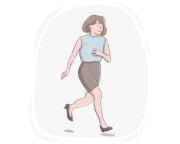
to leave quickly or abruptly, often because of an urgent or unexpected situation
marcharse apresuradamente, irse de repente por una situación urgente
Deberíamos salir corriendo antes de que el tráfico empeore durante la hora punta de la tarde.
![to [land] on {one's} feet](https://cdn.langeek.co/photo/40445/thumb/350?type=jpeg "to [land] on {one's} feet")
to experience success or good fortune, particularly after a period of facing challenges or setbacks
salir bien parado, superar la crisis
El negocio salió bien parado después de un año difícil.
![to [get|start] off on the wrong foot](https://cdn.langeek.co/photo/40189/thumb/350?type=jpeg "to [get|start] off on the wrong foot")
to have an unsuccessful or unpleasant beginning in a relationship or activity
empezar con mal pie, arrancar mal
El proyecto empezó con mal pie por la mala planificación.
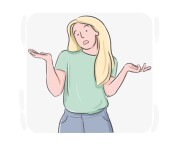
used to describe someone who has no plans or obligations, often feeling uncertain about how to spend their time
![to [make] (both|) ends meet](https://cdn.langeek.co/photo/41760/thumb/350?type=jpeg "to [make] (both|) ends meet")
to make enough money to pay for one's basic needs
llegar a fin de mes, cubrir los gastos básicos
Después de la subida de precios, muchas familias luchan por llegar a fin de mes.
to reach the conclusion or final stage of something, often after a period of time
used to refer to the conclusion or outcome of a situation or event
finalmente, al final
Al final, el proyecto fue un gran éxito, a pesar de los contratiempos.
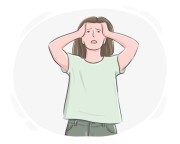
unable to cope with anything due to a lack of energy or patience
to engage in activities or behavior aimed at resolving or improving a situation involving someone or something
tratar con
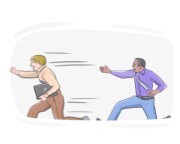
to leave somewhere with something that one does not own
huir llevándose algo ajeno, llevarse algo ajeno y escapar
Alguien se escapó con mi paraguas mientras estaba brevemente dentro de la tienda.
![to [fall] on {one's} feet](https://cdn.langeek.co/photo/40391/thumb/350?type=jpeg "to [fall] on {one's} feet")
to find oneself in good condition after surviving a difficult experience
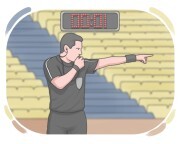
to begin to act, happen, etc. in a particular manner
comenzar de cierta manera, iniciar algo de una manera particular
El proyecto comenzará una vez que se obtengan las aprobaciones necesarias.
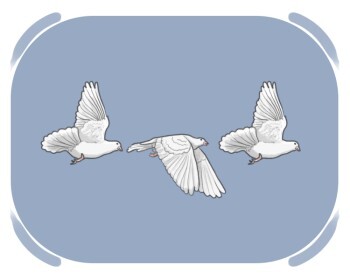
to move or travel through the air
volar

the exciting and attractive quality of a person, place, etc. that makes them desirable
glamour, encanto
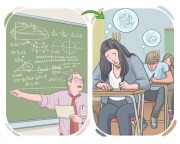
to invite someone to compete or strongly suggest they should do something, often to test their abilities or encourage action
desafiar

a feeling of anxiety and worry caused by different life problems
estrés, tensión
the act of doing or performing something again
repetición
El profesor enfatizó la importancia de la repetición para dominar nuevas habilidades.
to make changes to or modify something, making it slightly different
variar
![to [have] (a lot|too much) on {one's} plate](https://cdn.langeek.co/photo/19622/thumb/multitask/350?type=jpeg "to [have] (a lot|too much) on {one's} plate")
to have a certain amount of tasks or problems that need to be dealt with
tener mucho entre manos, tener demasiadas cosas encima
El gerente ya tiene bastante entre manos sin este nuevo problema.
![to [rise] to the (occasion|challenge)](https://cdn.langeek.co/photo/43080/thumb/350?type=jpeg "to [rise] to the (occasion|challenge)")
to demonstrate one's ability in surpassing obstacles and dealing with difficult situations
estar a la altura, crecerse ante el reto
En una crisis, los buenos líderes están a la altura.
![[show|teach] {sb} the ropes](https://cdn.langeek.co/photo/42510/thumb/350?type=jpeg "[show|teach] {sb} the ropes")
to show or teach someone how a particular job or task is done
enseñarle cómo va todo, enseñarle los entresijos
Al principio estaba nervioso, pero el equipo me enseñó rápido cómo iba todo.
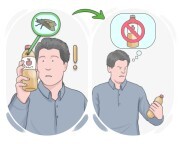
to refuse to buy, use, or participate in something as a way to show disapproval or to try to bring about a change
boicotear
Los consumidores boicotearon los productos de la empresa debido a preocupaciones éticas.
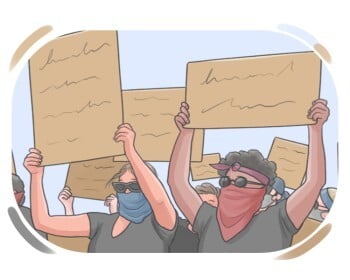
a display of support for or protest against something or someone by a march or public meeting
demostración
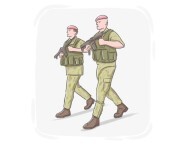
to walk firmly with regular steps
marchar

to put a great deal of effort to overcome difficulties or achieve a goal
luchar, esforzarse
having a significant purpose or importance
significativo, válido, útil
La pareja intercambió miradas significativas durante la ceremonia de bodas.

something that poses danger or the possibility of harm
amenaza
