
pattern

本 Insight - 中級 - 語彙の洞察 8

ここでは、Insight Intermediate教科書のVocabulary Insight 8からの単語、例えば「rush off」、「at a loose end」、「glamour」などを見つけることができます。

レビュー

フラッシュカード

語形

綴り

クイズ

学習を開始
Insight - Intermediate
to [stand] on {one's} own (two|) feet

to be able to take care of oneself without needing any assistance from others

自立する, 自分でやっていく

自立する, 自分でやっていく

Ex: After college, he finally learned to stand on his own feet. 
to [put] {one's} foot up

to elevate one's foot in order to rest or relax

Ex: She put her foot up and took a nap to recover from the long drive. 
to [put] {one's} foot down

to firmly take control and enforce a specific action

断固とした態度を取る, きっぱり押し切る

断固とした態度を取る, きっぱり押し切る

Ex: The manager finally put her foot down and made everyone follow the new rules. 
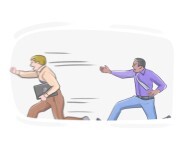
to rush off
to rush off
[動詞]

to leave quickly or abruptly, often because of an urgent or unexpected situation

急いで立ち去る, 急ぎで出発する

急いで立ち去る, 急ぎで出発する

Ex: She had to rush off to catch her flight, leaving the party early. 
to [land] on {one's} feet

to experience success or good fortune, particularly after a period of facing challenges or setbacks

うまく切り抜ける, 危機を乗り越える

うまく切り抜ける, 危機を乗り越える

Ex: After losing his job, he landed on his feet with a better position. 
to [get|start] off on the wrong foot

to have an unsuccessful or unpleasant beginning in a relationship or activity

出だしでつまずく, 最初からうまくいかない

出だしでつまずく, 最初からうまくいかない

Ex: We got off on the wrong foot, but we became good friends later. 
at a loose end

used to describe someone who has no plans or obligations, often feeling uncertain about how to spend their time

Ex: Since I finished my work early, I find myself at a loose end for the rest of the day. 
to [make] (both|) ends meet

to make enough money to pay for one's basic needs

家計をやりくりする, 生活費をなんとか賄う

家計をやりくりする, 生活費をなんとか賄う

Ex: With rent so high, it is hard to make ends meet. 
to [come] to an end

to reach the conclusion or final stage of something, often after a period of time

Ex: The concert came to an end with a spectacular fireworks display. 
in the end
in the end
[副詞]

used to refer to the conclusion or outcome of a situation or event

結局, 最終的に

結局, 最終的に

Ex: In the end, it was her determination that helped her succeed. 
at the end of {one's} tether

unable to cope with anything due to a lack of energy or patience

Ex: Daniel's been at the end of his tether for weeks now—he has seriously got to get a different job! 
to deal
to deal
[動詞]

to engage in activities or behavior aimed at resolving or improving a situation involving someone or something

対処する, 処理する

対処する, 処理する

Ex: He had to deal with the customer’s complaint before the store closed. 
to run off
to run off
[動詞]

to leave somewhere with something that one does not own

持って逃げる, 持ち去る

持って逃げる, 持ち去る

Ex: The mischievous kids ran off with candy from the store without paying. 
to [fall] on {one's} feet

to find oneself in good condition after surviving a difficult experience

Ex: Don’t worry about Nina, she always falls on her feet. 
to start off
to start off
[動詞]

to begin to act, happen, etc. in a particular manner

始める, 開始する

始める, 開始する

Ex: The event started off with an inspiring speech from the keynote speaker. 
to fly
to fly
[動詞]

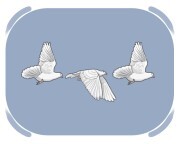
to move or travel through the air

飛ぶ

飛ぶ

Ex: Birds can fly freely in the sky. 
glamour
glamour
[名詞]

the exciting and attractive quality of a person, place, etc. that makes them desirable

グラマー,  魅力

グラマー, 魅力

Ex: The actress exuded glamour as she walked the red carpet in a sparkling, designer gown. 
to challenge
to challenge
[動詞]

to invite someone to compete or strongly suggest they should do something, often to test their abilities or encourage action

挑戦する, 競争に誘う

挑戦する, 競争に誘う

Ex: She challenges her colleagues to a friendly chess match every Friday. 
stress
stress
[名詞]

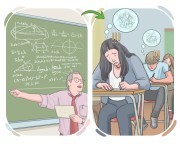
a feeling of anxiety and worry caused by different life problems

ストレス, 緊張

ストレス, 緊張

Ex: The constant stress of her job was affecting her health. 
repetition
repetition
[名詞]

the act of doing or performing something again

反復

反復

Ex: The athlete's success was due to the repetition of his training routine. 
to vary
to vary
[動詞]

to make changes to or modify something, making it slightly different

変える, 変更する

変える, 変更する

Ex: The chef likes to vary the ingredients in her recipes, experimenting with different herbs and spices. 
to [have] (a lot|too much) on {one's} plate

to have a certain amount of tasks or problems that need to be dealt with

抱えていることが多い, やることをたくさん抱える

抱えていることが多い, やることをたくさん抱える

Ex: I cannot take on another project; I already have too much on my plate. 
to [rise] to the (occasion|challenge)

to demonstrate one's ability in surpassing obstacles and dealing with difficult situations

いざという時に力を発揮する, 難局を乗り切る

いざという時に力を発揮する, 難局を乗り切る

Ex: When the manager quit suddenly, Maya rose to the occasion and led the team. 
[show|teach] {sb} the ropes

to show or teach someone how a particular job or task is done

仕事のいろはを教える, やり方を一から教える

仕事のいろはを教える, やり方を一から教える

Ex: On my first day, Carla showed me the ropes. 
to boycott
to boycott
[動詞]

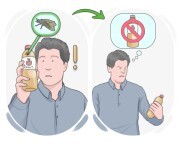
to refuse to buy, use, or participate in something as a way to show disapproval or to try to bring about a change

ボイコットする, ボイコットに参加する

ボイコットする, ボイコットに参加する

Ex: Many customers boycotted the store after its poor customer service. 
demonstration

a display of support for or protest against something or someone by a march or public meeting

デモンストレーション

デモンストレーション

Ex: The demonstration against the new government policy drew thousands of participants to the city center. 
to march
to march
[動詞]

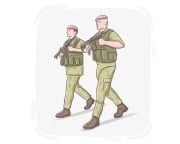
to walk firmly with regular steps

行進する,  歩調を合わせて歩く

行進する, 歩調を合わせて歩く

Ex: The soldiers marched in perfect formation, their boots hitting the ground with a rhythmic cadence. 
to struggle
to struggle
[動詞]

to put a great deal of effort to overcome difficulties or achieve a goal

奮闘する, 努力する

奮闘する, 努力する

Ex: He struggled to lift the heavy box onto the shelf, but with determination, he eventually succeeded. 
meaningful
meaningful
[形容詞]

having a significant purpose or importance

意味のある, 意義深い

意味のある, 意義深い

Ex: She gave her grandmother a meaningful gift that brought tears to her eyes. 
threat
threat
[名詞]

something that poses danger or the possibility of harm

脅威, 危険

脅威, 危険

Ex: Pollution is a major threat to marine life. 
LanGeek
LanGeekアプリをダウンロード