pattern

Książka Total English - Średnio zaawansowany wyższy - Jednostka 3 - Słownictwo

Tutaj znajdziesz słowa z Unitu 3 - Słownictwo w podręczniku Total English Upper-Intermediate, takie jak "wynaleźć", "dziennik", "nieunikniony" itp.

Przegląd

Fiszki

Pisownia

Test
Zacznij naukę
Total English - Upper-intermediate
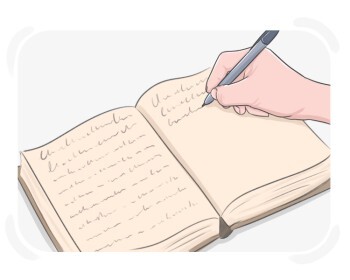
to write
to write
[Czasownik]

to make letters, words, or numbers on a surface, usually on a piece of paper, with a pen or pencil

pisać

pisać

Ex: Can you write your address on this form? 
writer
writer
[Rzeczownik]

someone whose job involves writing articles, books, stories, etc.

pisarz, autor

pisarz, autor

Ex: He's a writer who focuses on science fiction. 
to invent
to invent
[Czasownik]

to create or design something new that did not previously exist

Ex: The machine was invented to make agricultural work faster and safer. 
inventor
inventor
[Rzeczownik]

someone who makes or designs something that did not exist before

wynalazca, twórca

wynalazca, twórca

Ex: Marie Curie, a pioneering scientist and inventor, made groundbreaking discoveries in the field of radioactivity. 

Maria Curie, pionierska naukowiec i wynalazczyni, dokonała przełomowych odkryć w dziedzinie radioaktywności.

invention
invention
[Rzeczownik]

something new, especially a device, method, or process, that has been created or developed
Ex: Thomas patented an invention for improving bicycle safety. 
to open
to open
[Czasownik]

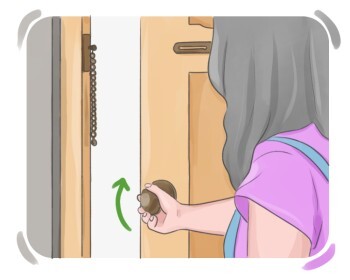
to move something like a window or door into a position that people, things, etc. can pass through or use

otwierać, odblokować
otwierać, odblokować

Ex: He opens the window to let in some fresh air. 
bottle opener
bottle opener
[Rzeczownik]

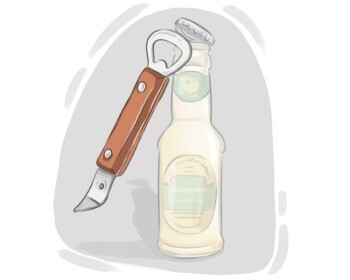
a small tool used to open the metal top of a bottle

otwieracz do butelek, kapslownik

otwieracz do butelek, kapslownik

Ex: The bartender used a bottle opener to serve the drinks quickly. 

Barman użył otwieracza do butelek, aby szybko podać napoje.
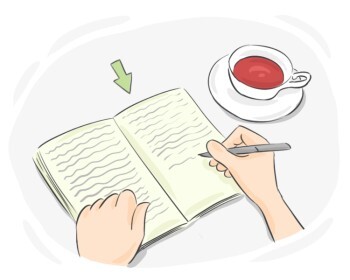
journal
journal
[Rzeczownik]

a written record of daily events, experiences, etc. that is kept for personal use

dziennik, pamiętnik

dziennik, pamiętnik

Ex: She writes in her journal every night before bed. 
journalist
journalist
[Rzeczownik]

someone who prepares news to be broadcast or writes for newspapers, magazines, or news websites

dziennikarz
dziennikarz

Ex: A journalist must always verify the facts before writing a story. 
piano
piano
[Rzeczownik]

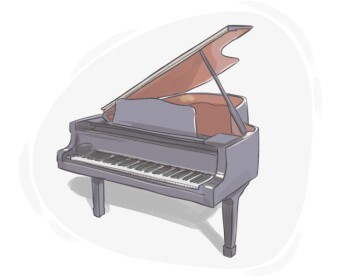
a large keyboard instrument in which pressing the keys causes hammers to strike strings

a large keyboard instrument in which pressing the keys causes hammers to strike strings
a large keyboard instrument in which pressing the keys causes hammers to strike strings

Ex: The school bought a new piano for the music room. 
pianist
pianist
[Rzeczownik]

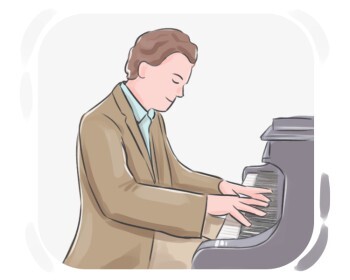
someone who plays the piano, particularly a professional one

pianista

pianista

Ex: The pianist composed a beautiful piece for piano and orchestra, showcasing their talent as both a composer and performer. 

Pianista skomponował piękny utwór na fortepian i orkiestrę, pokazując swój talent zarówno jako kompozytor, jak i wykonawca.

social
social
[przymiotnik]

related to society and the lives of its citizens in general

społeczny

społeczny

Ex: The school organized a social event to foster friendships and camaraderie among students. 

Szkoła zorganizowała wydarzenie społeczne, aby wspierać przyjaźnie i koleżeństwo wśród uczniów.

socialist
socialist
[Rzeczownik]

a person who supports a system where the community collectively owns and controls the means of production, distribution, and exchange, known as socialism

socjalista
socjalista

Ex: He is a socialist who believes in equal access to resources for all citizens. 
to pollute
to pollute
[Czasownik]

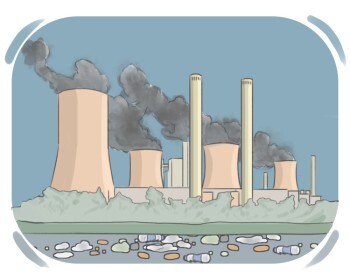
to damage the environment by releasing harmful chemicals or substances to the air, water, or land

zanieczyszczać, zatruwać

zanieczyszczać, zatruwać

Ex: Factories often pollute the air with emissions from burning fossil fuels. 

Fabryki często zanieczyszczają powietrze emisjami ze spalania paliw kopalnych.

pollution
pollution
[Rzeczownik]

a change in water, air, etc. that makes it harmful or dangerous

zanieczyszczenie, skażenie

zanieczyszczenie, skażenie

Ex: The pollution in the lake has made the water toxic to fish and plants. 
happy
happy
[przymiotnik]

emotionally feeling good or glad

szczęśliwy,zadowolony, feeling good or glad

szczęśliwy,zadowolony, feeling good or glad

Ex: He was happy when he got the job he had been hoping for. 
happiness
happiness
[Rzeczownik]

the feeling or state of being happy

szczęście
szczęście

Ex: Money alone does not guarantee happiness. 
weak
weak
[przymiotnik]

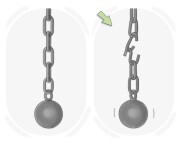
structurally fragile or lacking durability

słaby, kruchy

słaby, kruchy

Ex: The bridge collapsed at its weak central support. 
weakness
weakness
[Rzeczownik]

a lack of power, influence, or ability to act effectively

słabość, słabość

słabość, słabość

Ex: Emma worried that admitting the mistake might be seen as weakness. 
visible
visible
[przymiotnik]

able to be seen with the eyes

widoczny, dostrzegalny

widoczny, dostrzegalny

Ex: The flaws in the painting were visible upon close inspection. 

Wady na obrazie były widoczne po dokładnym obejrzeniu.

visibility
visibility
[Rzeczownik]

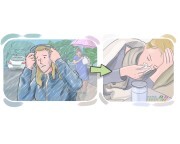
the distance that is possible or clear for one to see, particularly because of the weather conditions

widoczność
widoczność

Ex: The pilot reported that poor visibility due to heavy rain was the reason for the flight delay. 
inevitable
inevitable
[przymiotnik]

certain to happen and impossible to prevent or avoid

nieunikniony,  nieuchronny

nieunikniony, nieuchronny

Ex: With so little preparation, mistakes were almost inevitable. 
inevitability
inevitability
[Rzeczownik]

the quality or state of being unavoidable, often in reference to an event, outcome, or consequence that cannot be prevented or changed

nieuchronność, nieuniknioność

nieuchronność, nieuniknioność

Ex: She struggled with the inevitability of saying goodbye. 

Walczyła z nieuniknionością pożegnania.

to excite
to excite
[Czasownik]

to make a person feel interested or happy, particularly about something that will happen soon

ekscytować, podniecać

ekscytować, podniecać

Ex: The prospect of starting a new job excites him about the future. 

Perspektywa rozpoczęcia nowej pracy ekscytuje go w związku z przyszłością.

excitement
excitement
[Rzeczownik]

a strong feeling of enthusiasm, eagerness, or emotional stimulation

podekscytowanie,  entuzjazm

podekscytowanie, entuzjazm

Ex: Daniel felt a mixture of excitement and nervousness before his first flight. 
product
product
[Rzeczownik]

something that is created or grown for sale

produkt, artykuł

produkt, artykuł

Ex: The bakery's best-selling product is its freshly baked bread. 
productivity
productivity
[Rzeczownik]

the ability to produce useful results efficiently, especially in relation to the time or effort used
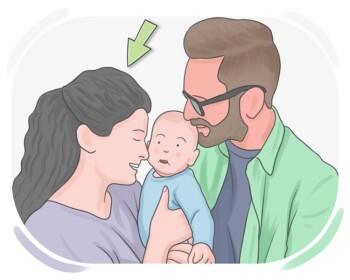
Ex: She organizes her schedule carefully to maintain high productivity. 
motherhood
motherhood
[Rzeczownik]

the state of being a mother to a child or children

macierzyństwo, stan bycia matką

macierzyństwo, stan bycia matką

Ex: Through the highs and lows of motherhood, she found strength in the bond with her children. 

Przez wzloty i upadki macierzyństwa znalazła siłę w więzi ze swoimi dziećmi.

friend
friend
[Rzeczownik]

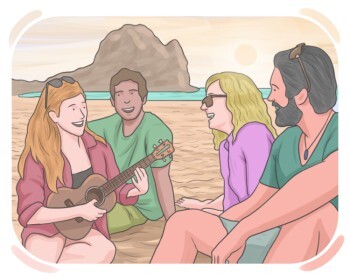
someone we like and trust

przyjaciel, kumpel
przyjaciel, kumpel

Ex: David and Samantha became friends after meeting at a book club and discovered their shared passion for literature. 
friendship
friendship
[Rzeczownik]

a relationship between people who are friends

przyjaźń

przyjaźń

Ex: Trust is important in any strong friendship. 
LanGeek
Pobierz aplikację LanGeek