pattern

Total English - Upper-intermediate - Unit 3 - Vocabulary

Here you will find the words from Unit 3 - Vocabulary in the Total English Upper-Intermediate coursebook, such as "invent", "journal", "inevitable", etc.

Review

Flashcards

Spelling

Quiz

Start learning
Total English - Upper-intermediate
to write
to write
[Verb]

to make letters, words, or numbers on a surface, usually on a piece of paper, with a pen or pencil

Ex: Can you write your address on this form? 
Close
Sign in
writer
writer
[noun]

someone whose job involves writing articles, books, stories, etc.
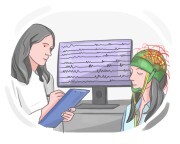
Ex: He's a writer who focuses on science fiction. 
Close
Sign in
to invent
to invent
[Verb]

to create or design something new that did not previously exist
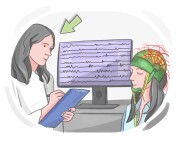
Ex: Alexander Graham Bell is credited with inventing the telephone. 
Close
Sign in
inventor
inventor
[noun]

someone who makes or designs something that did not exist before

Ex: Thomas Edison is renowned as an inventor for creating the electric light bulb. 
Close
Sign in
invention
invention
[noun]

something new, especially a device, method, or process, that has been created or developed
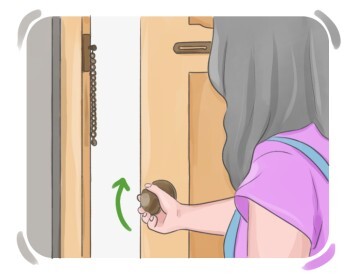
Ex: The telephone was an invention that transformed long-distance communication. 
Close
Sign in
to open
to open
[Verb]

to move something like a window or door into a position that people, things, etc. can pass through or use
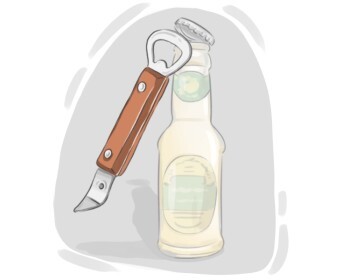
Ex: He opens the window to let in some fresh air. 
Close
Sign in
bottle opener

a small tool used to open the metal top of a bottle
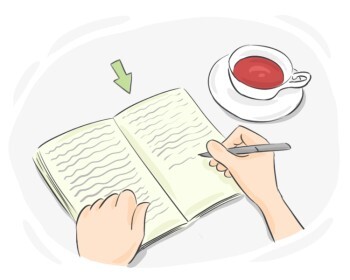
Ex: He grabbed a bottle opener to open his drink. 
Close
Sign in
journal
journal
[noun]

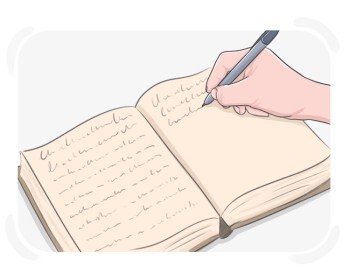
a written record of daily events, experiences, etc. that is kept for personal use
Ex: She writes in her journal every night before bed. 
Close
Sign in
journalist

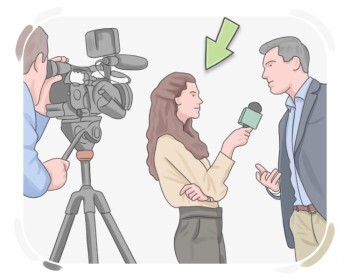
someone who prepares news to be broadcast or writes for newspapers, magazines, or news websites
Ex: A journalist must always verify the facts before writing a story. 
Close
Sign in
piano
piano
[noun]

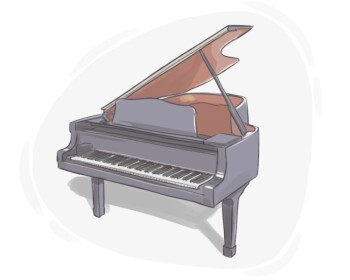
a large keyboard instrument in which pressing the keys causes hammers to strike strings
Ex: Emma has been learning to play the piano since she was seven. 
Close
Sign in
pianist
pianist
[noun]

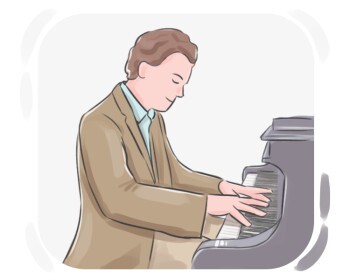
someone who plays the piano, particularly a professional one

Ex: She's a classically trained pianist who performs solo recitals around the world. 
Close
Sign in
social
social
[Adjective]

related to society and the lives of its citizens in general

Ex: The government implemented social programs to support vulnerable populations. 
Close
Sign in
socialist
socialist
[noun]

a person who supports a system where the community collectively owns and controls the means of production, distribution, and exchange, known as socialism
Ex: He is a socialist who believes in equal access to resources for all citizens. 
Close
Sign in
to pollute

to damage the environment by releasing harmful chemicals or substances to the air, water, or land

Ex: Factories often pollute the air with emissions from burning fossil fuels. 
Close
Sign in
pollution
pollution
[noun]

a change in water, air, etc. that makes it harmful or dangerous
Ex: The pollution in the lake has made the water toxic to fish and plants. 
Close
Sign in
happy
happy
[Adjective]

emotionally feeling good or glad

Ex: He was happy when he got the job he had been hoping for. 
Close
Sign in
happiness
happiness
[noun]

the feeling or state of being happy

Ex: Emma smiled with happiness when she saw her family waiting for her. 
Close
Sign in
weak
weak
[Adjective]

structurally fragile or lacking durability

Ex: The bridge collapsed at its weak central support. 
Close
Sign in
weakness
weakness
[noun]

a lack of power, influence, or ability to act effectively
Ex: The weakness of the organization made it difficult to respond quickly. 
Close
Sign in
visible
visible
[Adjective]

able to be seen with the eyes

Ex: The stars were visible in the clear night sky, shining brightly. 
Close
Sign in
visibility

the distance that is possible or clear for one to see, particularly because of the weather conditions
Ex: The dense fog reduced visibility on the highway, causing several cars to slow down to avoid accidents. 
Close
Sign in
inevitable
inevitable
[Adjective]

certain to happen and impossible to prevent or avoid

Ex: Some delays were inevitable because of the severe weather. 
Close
Sign in
inevitability

the quality or state of being unavoidable, often in reference to an event, outcome, or consequence that cannot be prevented or changed
Ex: The inevitability of change is a part of life. 
Close
Sign in
to excite
to excite
[Verb]

to make a person feel interested or happy, particularly about something that will happen soon

Ex: The news of the upcoming concert excited music fans all over the city. 
Close
Sign in
excitement

a strong feeling of enthusiasm, eagerness, or emotional stimulation
Ex: The children could hardly contain their excitement about the trip. 
Close
Sign in
product
product
[noun]

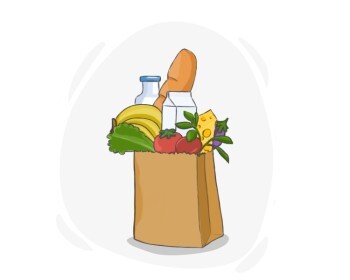
something that is created or grown for sale

Ex: The bakery's best-selling product is its freshly baked bread. 
Close
Sign in
productivity

the ability to produce useful results efficiently, especially in relation to the time or effort used
Ex: Regular breaks can improve productivity during long work sessions. 
Close
Sign in
motherhood

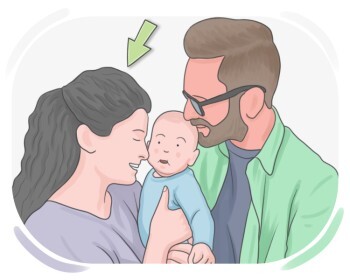
the state of being a mother to a child or children
Ex: She embraced motherhood with love and dedication, cherishing every moment with her child. 
Close
Sign in
friend
friend
[noun]

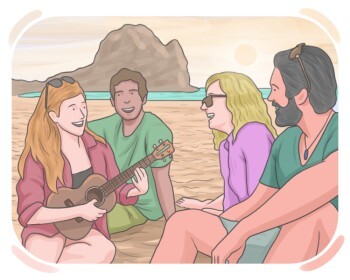
someone we like and trust

Ex: David and Samantha became friends after meeting at a book club and discovered their shared passion for literature. 
Close
Sign in
friendship

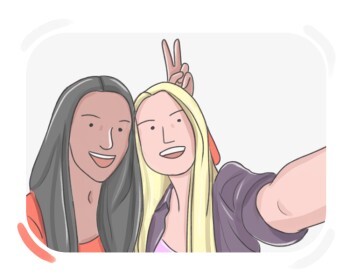
a relationship between people who are friends

Ex: Emma and Sarah developed a close friendship at college. 
Close
Sign in
LanGeek
Download LanGeek app