pattern

Słownictwo do IELTS General (Wynik 5) - Język Ciała i Gestykulacja

Tutaj nauczysz się niektórych angielskich słów związanych z językiem ciała i gestami, które są niezbędne do egzaminu IELTS General Training.

Przegląd

Fiszki

formy

Pisownia

Test
Zacznij naukę
Vocabulary for General Training IELTS (5)
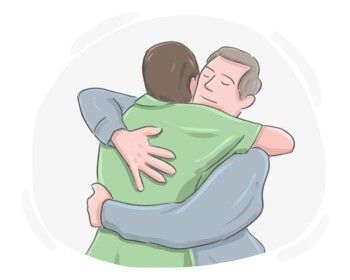
to embrace
to embrace
[Czasownik]

to hold someone tightly in one's arms, especially to show affection

obejmować, przytulać

obejmować, przytulać

Ex: After a heartfelt apology , they reconciled and chose to embrace each other , putting their differences behind them .

Po szczerej przeprosinach pogodzili się i postanowili się przytulić, pozostawiając swoje różnice za sobą.

to gesture
to gesture
[Czasownik]

to express a meaning with a movement of the hands, face, head, etc.

gestykulować, wykonać gest
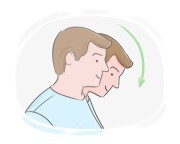
gestykulować, wykonać gest

Ex: The coach gestured for the player to come off the field for a substitution .

Trener wykonał gest, aby zawodnik zszedł z boiska na zmianę.

to nod
to nod
[Czasownik]

to move one's head up and down as a sign of agreement, understanding, or greeting

kiwać głową, przytakiwać
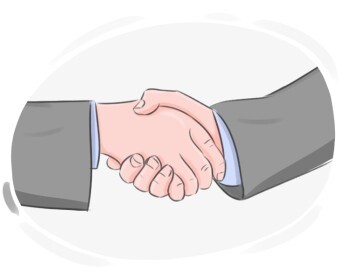
kiwać głową, przytakiwać

Ex: The teacher nodded approvingly at the student 's answer .

Nauczyciel skinął głową z aprobatą na odpowiedź ucznia.

to shake
to shake
[Czasownik]

to take someone's hand and move it up and down, mainly for greeting

uścisnąć dłoń, podawać rękę
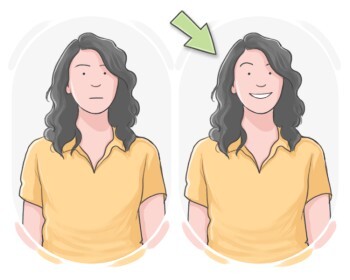
uścisnąć dłoń, podawać rękę

Ex: The coach shook each player 's hand before the crucial match , instilling confidence in the team .

Trener uścisnął dłoń każdego zawodnika przed decydującym meczem, wzbudzając w zespole pewność siebie.

to smile
to smile
[Czasownik]

to make our mouth curve upwards, often in a way that our teeth can be seen, to show that we are happy or amused

uśmiechać się
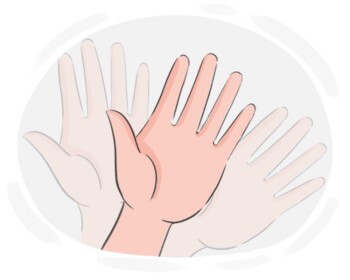
uśmiechać się

Ex: As they shared a joke , both friends could n't help but smile.

Gdy dzielili się żartem, obaj przyjaciele nie mogli się powstrzymać od uśmiechu.

to wave
to wave
[Czasownik]

to raise one's hand and move it from side to side to greet someone or attract their attention

machać, pomachać ręką

machać, pomachać ręką

Ex: From the ship , the sailors waved to the people on the shore .

Z statku marynarze pomachali ludziom na brzegu.

to hug
to hug
[Czasownik]

to tightly and closely hold someone in one's arms, typically a person one loves

przytulać, ściskać

przytulać, ściskać

Ex: Feeling grateful , she hugged the person who returned her lost belongings .

Czując wdzięczność, przytuliła osobę, która zwróciła jej zgubione przedmioty.

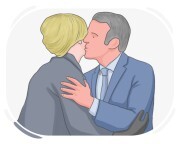
to kiss
to kiss
[Czasownik]

to touch someone else's lips or other body parts with one's lips to show love, sexual desire, respect, etc.

całować, pocałować

całować, pocałować

Ex: The grandparents kissed each other on their 50th wedding anniversary .

Dziadkowie pocałowali się w 50. rocznicę ślubu.

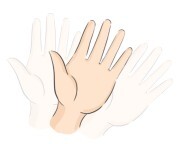
to high-five
to high-five
[Czasownik]

to enthusiastically slap someone's raised palm with your own as a celebration, greeting, or show of agreement

przybić piątkę, dać high-five

przybić piątkę, dać high-five

Ex: The coach high-fived each player as they left the field.

Trener przybił piątkę każdemu zawodnikowi, gdy opuszczali boisko.

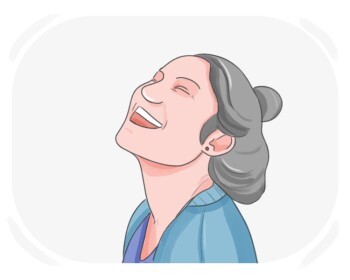
to laugh
to laugh
[Czasownik]

to make happy sounds and move our face like we are smiling because something is funny

śmiać się, wybuchnąć śmiechem
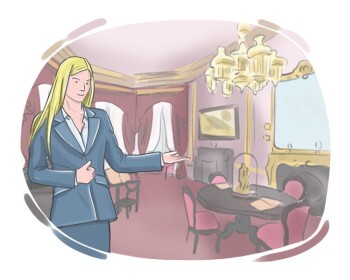
śmiać się, wybuchnąć śmiechem

Ex: Their playful teasing made her laugh in delight.

Ich zabawne docinki sprawiły, że śmiała się z zachwytu.

to greet
to greet
[Czasownik]

to give someone a sign of welcoming or a polite word when meeting them

witać, przyjmować

witać, przyjmować

Ex: Last week , the team greeted the new manager with enthusiasm .

W zeszłym tygodniu zespół z entuzjazmem przywitał nowego menedżera.

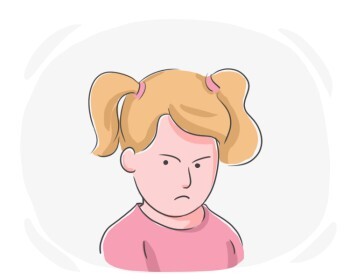
to frown
to frown
[Czasownik]

to bring your eyebrows closer together showing anger, sadness, or confusion

marszczyć brwi, krzywić się

marszczyć brwi, krzywić się

Ex: The child frowned when told it was bedtime and she could n't stay up longer .

Dziecko zmarszczyło brwi, gdy powiedziano mu, że jest pora spać i nie może dłużej zostać na nogach.

to lower
to lower
[Czasownik]

to drop one's eyebrows, chin, or gaze to express sadness, disapproval, or shame, or to show less intensity or hostility in a facial expression

obniżać, opuszczać

obniżać, opuszczać

Ex: As the argument escalated , their voices grew louder , and they each lowered, exchanging fierce glances .

Gdy dyskusja się zaostrzała, ich głosy stawały się głośniejsze, a każdy opuszczał wzrok, wymieniając zaciekłe spojrzenia.

to incline
to incline
[Czasownik]

to bend one's head downward, particularly as an act of agreement, greeting, etc.

pochylać, skłaniać

pochylać, skłaniać

Ex: In the traditional custom of the culture , he inclined his head as a gesture of politeness .

W tradycyjnym zwyczaju kultury, pochylił głowę jako gest uprzejmości.

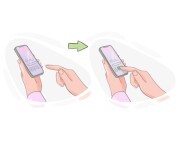
to tap
to tap
[Czasownik]

to hit someone or something gently, often with a few quick light blows

delikatnie uderzać, stukać lekko
delikatnie uderzać, stukać lekko

Ex: She has tapped the surface to find hidden compartments in the antique desk .

Stuknęła w powierzchnię, aby znaleźć ukryte przegródki w antycznym biurku.

thumbs up
thumbs up
[Fraza]

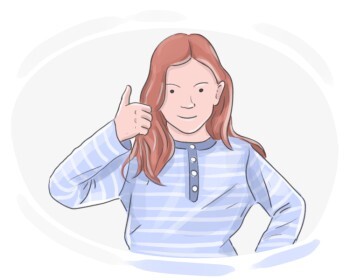
an instance or gesture that indicates approval or satisfaction

Ex: The audience responded with a thumbs up when the speaker made a compelling argument, expressing agreement and satisfaction.
thumbs down
thumbs down
[Rzeczownik]

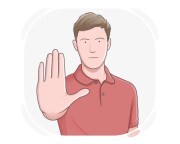
used to indicate failure or disapproval

kciuk w dół, dezaprobata

kciuk w dół, dezaprobata

Ex: When I asked her opinion of the restaurant , she promptly gave it thumbs down for small portions and dull food .

Kiedy zapytałem ją o opinię na temat restauracji, natychmiast dała kciuk w dół za małe porcje i nudne jedzenie.

to cringe
to cringe
[Czasownik]

to draw back involuntarily, often in response to fear, pain, embarrassment, or discomfort

kurczyć się, cofać się

kurczyć się, cofać się

Ex: Witnessing the accident made bystanders cringe in horror at the impact .

Obserwowanie wypadku sprawiło, że świadkowie wzdrygnęli się z przerażenia przy uderzeniu.

to [blow] {sb} a kiss

to make a kissing gesture with one's hand or lips and send it toward another person as a sign of affection

Ex: While talking on the phone, they couldn't see each other, but they blew virtual kisses as a sign of love.
to [cross] {one's} fingers

to hope for good luck or a positive outcome, often literally or symbolically overlapping the middle finger over the index finger

Ex: She crossed her fingers and blew out the birthday candles, wishing for a new bike.
to giggle
to giggle
[Czasownik]

to laugh in a light, silly, or often uncontrollable way as a result of nervousness or embarrassment

chichotać, śmiać się

chichotać, śmiać się

Ex: The students giggled at the teacher ’s accidental mispronunciation .

Uczniowie chichotali się z przypadkowego błędnego wymówienia nauczyciela.

to [bite]  {one's} lip

to press one's teeth against the lip as a reaction to emotion, pain, or to prevent oneself from saying something
Ex: Even though she was nervous, she bit her lip and gave a confident speech.
to yawn
to yawn
[Czasownik]

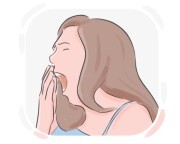
to unexpectedly open one's mouth wide and deeply breathe in because of being bored or tired

ziewać, otwierać usta z nudów

ziewać, otwierać usta z nudów

Ex: She yawned loudly , not able to hide her exhaustion .

Głośno ziewnęła, nie mogąc ukryć swojego wyczerpania.

to [hold] hands

to link hands with someone as an expression of affection, unity, or support
Ex: Grandparents and grandchildren enjoy holding hands as they stroll in the park.
to signal
to signal
[Czasownik]

to give someone a message, instruction, etc. by making a sound or movement

sygnalizować, dawać znak

sygnalizować, dawać znak

Ex: The referee signaled a penalty by raising the yellow card .

Sędzia zasygnalizował karę, podnosząc żółtą kartkę.

to [raise] (some|a few|many|) eyebrows

to cause surprise, curiosity, or mild shock among people due to something unconventional, unexpected, or controversial

Ex: His choice of wearing a tuxedo to the casual picnic raised eyebrows, but he wanted to make the day special.
to welcome
to welcome
[Czasownik]

to meet and greet someone who has just arrived

witać, przyjmować
witać, przyjmować

Ex: They went to the airport to welcome their relatives from abroad .

Poszli na lotnisko, aby przywitać swoich krewnych z zagranicy.

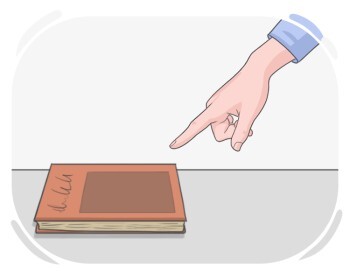
to point
to point
[Czasownik]

to show the place or direction of someone or something by holding out a finger or an object

wskazywać, pokazywać

wskazywać, pokazywać

Ex: She points to the map to show where the park is.

Ona wskazuje na mapę, aby pokazać, gdzie jest park.

LanGeek
Pobierz aplikację LanGeek