Vocabular pentru IELTS General (Scor 5) - Limbajul Corpului și Gesturile
Aici, vei învăța câteva cuvinte în engleză legate de limbajul corporal și gesturile care sunt necesare pentru examenul IELTS General Training.
Revizuire
Fișe de studiu
forme
Ortografie
Chestionar
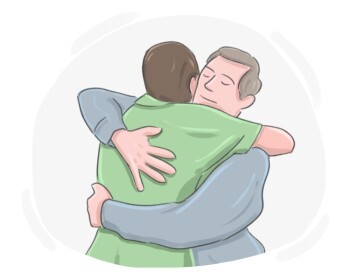
to hold someone closely in one's arms, especially as a sign of affection, greeting, or comfort

îmbrățișa, strânge în brațe
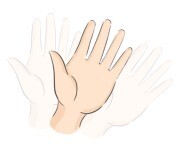
to express a meaning with a movement of the hands, face, head, etc.
a gestikula, a face un gest
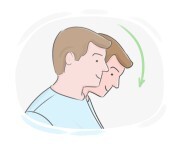
to move one's head up and down as a sign of agreement, understanding, or greeting
da din cap, încuviința prin mișcarea capului
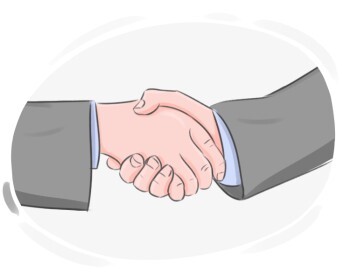
to take someone's hand and move it up and down, mainly for greeting
a strânge mâna, a da mâna
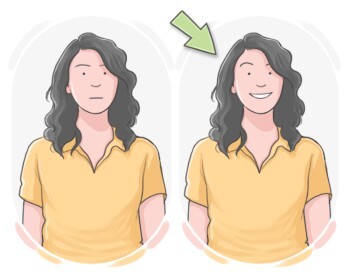
to make our mouth curve upwards, often in a way that our teeth can be seen, to show that we are happy or amused
zâmbi
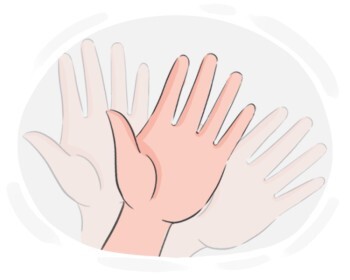
to raise one's hand and move it from side to side to greet someone or attract their attention
a face cu mâna, a saluta cu mâna
to tightly and closely hold someone in one's arms, typically a person one loves
îmbrățișa, strânge în brațe
S-a grăbit să-și îmbrățișeze prietena când a văzut-o după mult timp.
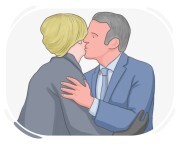
to touch someone else's lips or other body parts with one's lips to show love, sexual desire, respect, etc.
săruta, a da un sărut

to enthusiastically slap someone's raised palm with your own as a celebration, greeting, or show of agreement
a da high-five, a lovi palma
Coechipierii și-au dat high-five după ce au marcat golul victoriei.
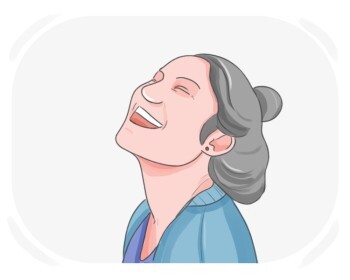
to make happy sounds and move our face like we are smiling because something is funny
râde, hohoti
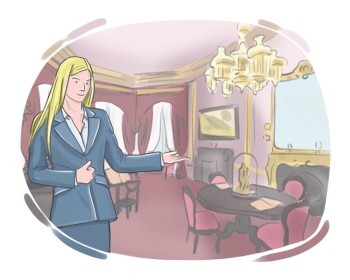
to welcome or acknowledge someone when meeting them, usually with words or a gesture
saluta, întâmpina
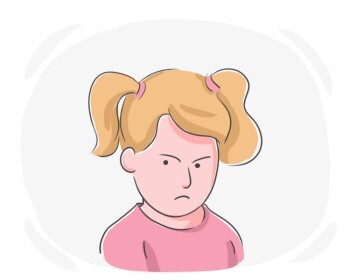
to bring the eyebrows together and wrinkle the forehead, especially to show anger, worry, confusion, or disapproval
încreți fruntea, se încrunta
to frown, scowl, or look angry and threatening
se încrunta, privire furioasă
to bend one's head downward, particularly as an act of agreement, greeting, etc.
apleca, înclina
Primind premiul prestigios, ea a plecat capul în recunoștință umilă a onorului.
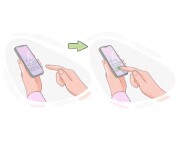
to hit someone or something gently, often with a few quick light blows
a lovi ușor, a ciocăni ușor
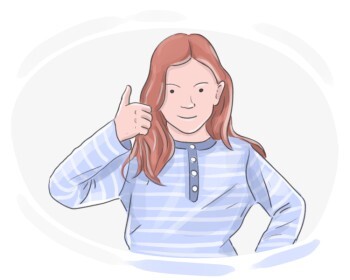
an instance or gesture that indicates approval or satisfaction
deget mare ridicat, semn de aprobare
Mi-a arătat degetul mare ridicat când s-a terminat prezentarea.
used to indicate failure or disapproval
respingere clară, semn de dezaprobare
Consiliul a respins clar propunerea.
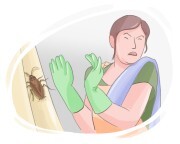
to draw back involuntarily, often in response to fear, pain, embarrassment, or discomfort
a se strânge, a se retrage
Tunetul puternic l-a făcut pe câine să se strângă de frică și să caute adăpost.
to make a kissing gesture with one's hand or lips and send it toward another person as a sign of affection
to hope for good luck or a positive outcome, often literally or symbolically overlapping the middle finger over the index finger

to laugh in a light, silly, or often uncontrollable way as a result of nervousness or embarrassment
a chicoti, a râde
to press one's teeth against the lip as a reaction to emotion, pain, or to prevent oneself from saying something
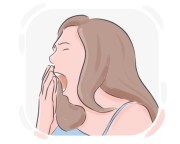
to unexpectedly open one's mouth wide and deeply breathe in because of being bored or tired
căsca, a deschide gura din cauza plictiselii
Pe măsură ce cursul se prelungea, studenții au început să cască de plictiseală.
to link hands with someone as an expression of affection, unity, or support
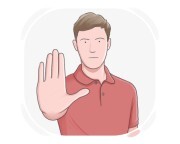
to give someone a message, instruction, etc. by making a sound or movement
semnaliza, face un semn
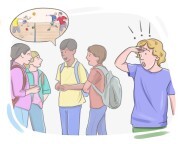
to cause surprise, curiosity, or mild shock among people due to something unconventional, unexpected, or controversial
a stârni mirare, a da de gândit
Decizia lui de a purta adidași la cina formală a stârnit mirare.
to meet and greet someone who has just arrived
a întâmpina, a primi cu bucurie