
Słownictwo do IELTS Academic (Wynik 6-7) - Zwierzęta
Tutaj nauczysz się niektórych angielskich słów związanych ze zwierzętami, które są niezbędne do akademickiego egzaminu IELTS.
Przegląd
Fiszki
Pisownia
Test

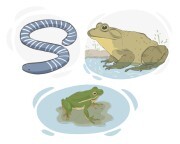
any cold-blooded animal with the ability to live both on land and in water, such as toads, frogs, etc.

płaz, amfibia
Trytony to małe, jaskrawo ubarwione płazy, które zazwyczaj zamieszkują stawy i strumienie, gdzie się rozmnażają i składają jaja.
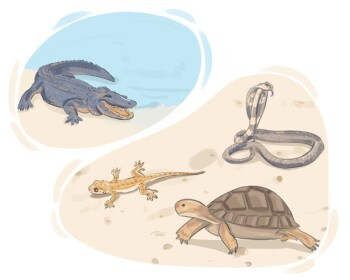
a class of animals to which crocodiles, lizards, etc. belong, characterized by having cold blood and scaly skin
gad, zwierzę zimnokrwiste
Gad powoli pełzał po nasłonecznionej skale, wchłaniając ciepło.
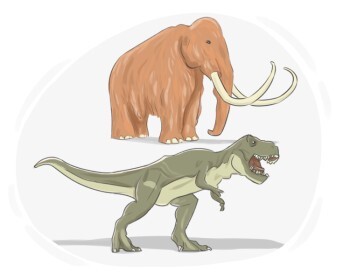
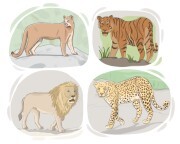
any animal that lives by hunting and eating other animals
drapieżnik, łowca
Rekiny to groźni drapieżnicy oceanu, o smukłych ciałach i rzędach ostrych zębów.
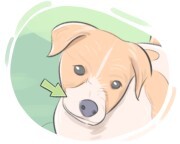
the long and protruding facial part of an animal which comprises its nose and mouth, especially in a mammal
pysk, ryj
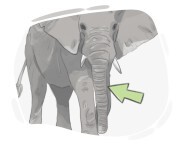
the nose of an elephant that is in the shape of a long hose
trąba, trąba słonia
Trąba słonia to cud ewolucji, zawierająca ponad 40 000 mięśni i służąca jako jeden z najbardziej wszechstronnych wyrostków w królestwie zwierząt.
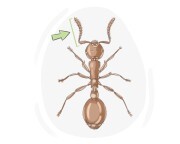
one of a pair of jointed sensory appendages on the head of insects, crustaceans, or similar organisms, often used to detect touch, taste, or movement
czułek, czułek zmysłowy
Owady polegają na swoich czułkach w nawigacji.
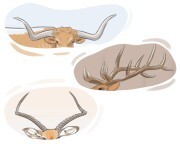
a hard, pointed, often curved structure found on the head of some animals, such as cows, goats, and sheep, made of keratin or bone, used for defense, display, or digging
róg, poroże
Rolnik zauważył, że rogi krowy zaczęły rosnąć dłuższe.
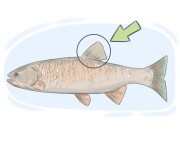
a thin flat membrane of the body of many sea creatures, used for swimming and keeping balance
płetwa, płetwa grzbietowa
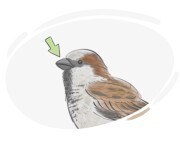
the hard or pointed part of a bird's mouth
dziób, dziób ptaka
Kaczka zanurzyła swój dziób w wodzie, aby szukać pożywienia.
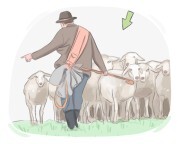
a group of animals, such as cows, sheep, etc. that are from the same species, which move and feed together
stado, trzoda
Opiekun zoo obserwował, jak stado żyraf wędruje po wybiegu.
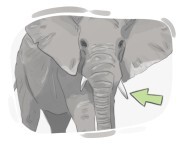
each of the curved pointy teeth of some animals such as elephants, boars, etc., especially one that stands out from the closed mouth
kieł, cios
Mors użył swoich długich ciosów, aby otworzyć skorupiaki, odsłaniając soczyste mięso w środku.
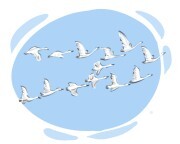
a group of birds of the same type, flying and feeding together
stado, grupa
Stado mew krzyczało i piszczało, walcząc o resztki jedzenia wzdłuż brzegu.
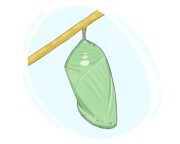
a young form of an insect or an animal that has come out of the egg but has not yet developed into an adult
larwa
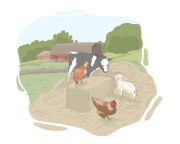
animals that are kept on a farm, such as cows, pigs, or sheep
inwentarz żywy, zwierzęta hodowlane
Podczas suszy rolnik walczył o utrzymanie swojego inwentarza żywego.
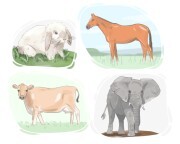
any animal that only feeds on plants
roślinożerca
Wiele roślinożerców ma wyspecjalizowane układy trawienne do rozkładania materiału roślinnego.
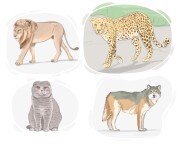
an animal that feeds on the flesh of other animals
mięsożerca, zwierzę mięsożerne
Niedźwiedzie polarne to szczytowi mięsożercy Arktyki, polujący na foki.
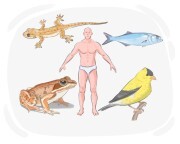
a large group of animals characterized by the possession of a backbone or spinal column, including mammals, birds, reptiles, amphibians, and fishes
kręgowiec, zwierzę kręgowe
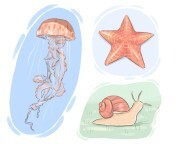
species that do not possess or cannot develop a spinal column, such as an arthropod, mollusk, etc.
bezkręgowiec, zwierzę bezkręgowe
Pająki to pajęczaki, rodzaj bezkręgowców, który tka sieci, aby złapać zdobycz.
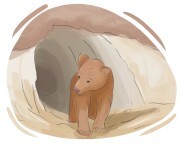
the hidden place where a wild predatory animal lives
nora, legowisko
Wilki używają legowisk do schronienia swoich młodych i jako miejsc odpoczynku między wyprawami łowieckimi, często znajdujących się w gęstej roślinności lub skalnych wychodniach.
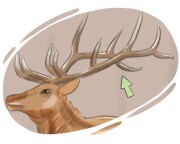
any of the pair of branched horns that grow annually on the head of an adult animal, typically a male one, from the deer family
róg, poroże
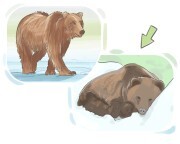
a dormant state in animals, characterized by lowered body temperature and metabolic activity, often during winter to conserve energy
hibernacja, sen zimowy
Czarny niedźwiedź znajduje odosobnioną norę na hibernację, gdzie doświadcza obniżonej przemiany materii i oszczędza energię do wiosny.
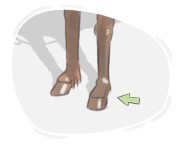
the horny and hard part at the end of a limb of a mammal, such as a horse
kopyto, noga
Weterynarz sprawdził kopyta, aby upewnić się, że są zdrowe i silne.

having an abundant covering or coat of soft, dense hair or fur
futrzany, włochaty
Niedźwiedź wyglądał groźnie ze swoim dużym, futrzastym ciałem.
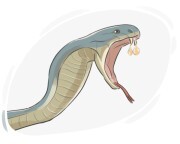
possessing or producing a toxin that is injected or delivered into another organism through a bite, sting, or other means
jadowity, toksyczny
Wąż koralowy znany jest z jadliwego ukąszenia, które może być śmiertelne, jeśli nie jest szybko leczone.
(of animals or birds) moving from one place to another, often with the changing seasons
migracyjny, wędrowny
Ptaki migrujące polegają na określonych miejscach postoju dla odpoczynku i pożywienia.
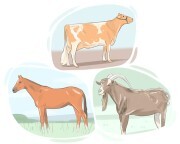
describing an animal that has a stomach with four compartments and chews cud as part of its digestion process
przeżuwający, przeżuwacz
Badanie anatomii zwierząt przeżuwających pomaga nam lepiej zrozumieć ich potrzeby żywieniowe i nawyki.
related to the sea and the different life forms that exist there
morski
Zanieczyszczenie morskie, spowodowane odpadami plastikowymi i wyciekami ropy, zagraża zdrowiu ekosystemów oceanicznych.
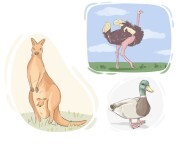
having two legs
dwunożny, mający dwie nogi
Tyranozaur rex był dużym dwunożnym dinozaurem, który chodził na dwóch potężnych tylnych kończynach.
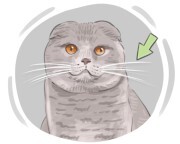
any of the long, stiff hairs that grow on the face of a cat, mouse, etc.
wąs, wibrysy
Wąsy foki wykrywają wibracje w wodzie, aby zlokalizować zdobycz.
