pattern

Vocabulary for IELTS Academic (Band 6-7) - Animals

Here, you will learn some English words related to Animals that are necessary for the Academic IELTS exam.

Review

Flashcards

Forms

Spelling

Quiz

Start learning
Vocabulary for Academic IELTS (6-7)
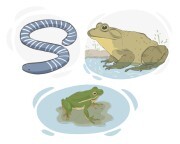
amphibian
amphibian
[noun]

any cold-blooded animal with the ability to live both on land and in water, such as toads, frogs, etc.
Ex: The frog is a well-known amphibian that lays its eggs in water and undergoes metamorphosis from tadpole to adult. 
Close
Sign in
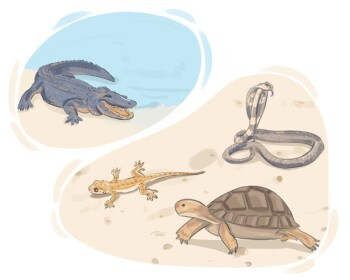
reptile
reptile
[noun]

a class of animals to which crocodiles, lizards, etc. belong, characterized by having cold blood and scaly skin
Ex: A reptile like a snake can survive in a wide range of environments. 
Close
Sign in
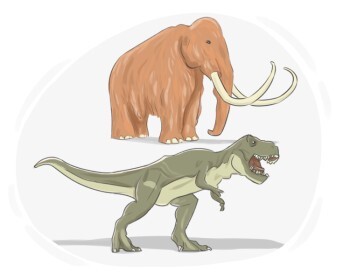
extinction

a situation in which a particular animal or plant no longer exists

Close
Sign in
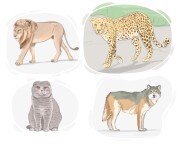
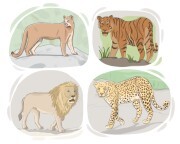
predator
predator
[noun]

any animal that lives by hunting and eating other animals

Ex: The lion is a formidable predator, using its strength and agility to hunt large herbivores such as zebras and wildebeests. 
Close
Sign in
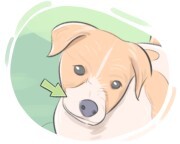
snout
snout
[noun]

the long and protruding facial part of an animal which comprises its nose and mouth, especially in a mammal
Close
Sign in
trunk
trunk
[noun]

the nose of an elephant that is in the shape of a long hose
Ex: The elephant swung its trunk gracefully, plucking leaves from the tallest branches of the acacia tree. 
Close
Sign in
antenna
antenna
[noun]

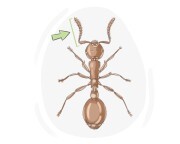
one of a pair of jointed sensory appendages on the head of insects, crustaceans, or similar organisms, often used to detect touch, taste, or movement
Ex: The ant waved its antenna as it explored the ground. 
Close
Sign in
horn
horn
[noun]

a hard, pointed, often curved structure found on the head of some animals, such as cows, goats, and sheep, made of keratin or bone, used for defense, display, or digging

Ex: The bull charged forward, its horns lowered in defense. 
Close
Sign in
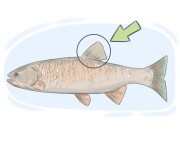
fin
fin
[noun]

a thin flat membrane of the body of many sea creatures, used for swimming and keeping balance
Close
Sign in
beak
beak
[noun]

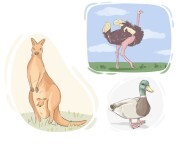
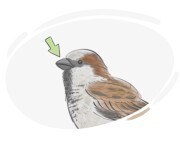
the hard or pointed part of a bird's mouth
Ex: The parrot used its beak to crack open the nuts. 
Close
Sign in
herd
herd
[noun]

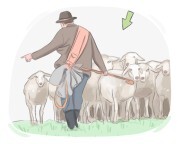
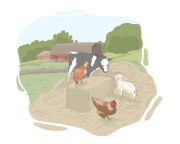
a group of animals, such as cows, sheep, etc. that are from the same species, which move and feed together
Ex: The herd of cows grazed peacefully in the meadow. 
Close
Sign in
tusk
tusk
[noun]

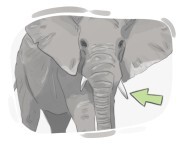
each of the curved pointy teeth of some animals such as elephants, boars, etc., especially one that stands out from the closed mouth
Ex: The elephant displayed its majestic tusks, gleaming in the sunlight as it roamed the savanna. 
Close
Sign in
flock
flock
[noun]

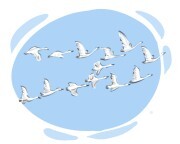
a group of birds of the same type, flying and feeding together

Ex: With a flutter of wings, the flock of sparrows descended upon the bird feeder, chirping excitedly as they feasted. 
Close
Sign in
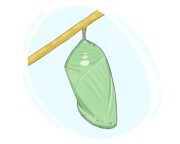
larva
larva
[noun]

a young form of an insect or an animal that has come out of the egg but has not yet developed into an adult
Close
Sign in
livestock
livestock
[noun]

animals that are kept on a farm, such as cows, pigs, or sheep
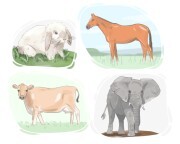
Ex: The farm had a variety of livestock, including cows, pigs, and sheep. 
Close
Sign in
herbivore
herbivore
[noun]

any animal that only feeds on plants

Ex: Deer and rabbits are herbivores that graze on grass and leaves. 
Close
Sign in
carnivore
carnivore
[noun]

an animal that feeds on the flesh of other animals
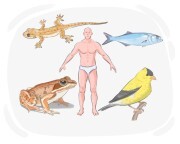
Ex: Lions are powerful carnivores that hunt in prides. 
Close
Sign in
vertebrate

a large group of animals characterized by the possession of a backbone or spinal column, including mammals, birds, reptiles, amphibians, and fishes

Close
Sign in
invertebrate

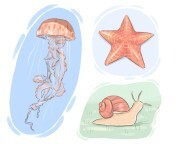
species that do not possess or cannot develop a spinal column, such as an arthropod, mollusk, etc.
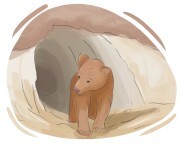
Ex: Invertebrates like butterflies and ants are vital to garden ecosystems. 
Close
Sign in
den
den
[noun]

the hidden place where a wild predatory animal lives
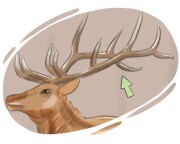
Ex: Bears often construct dens in caves or burrow into the ground for hibernation during the winter months. 
Close
Sign in
antler
antler
[noun]

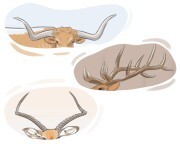
any of the pair of branched horns that grow annually on the head of an adult animal, typically a male one, from the deer family
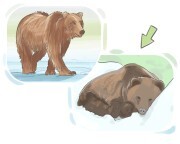
Close
Sign in
hibernation

a dormant state in animals, characterized by lowered body temperature and metabolic activity, often during winter to conserve energy
Ex: Bears enter a state of hibernation during the winter months to conserve energy and survive with limited food resources. 
Close
Sign in
hoof
hoof
[noun]

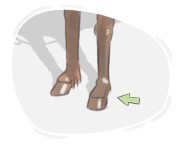
the horny and hard part at the end of a limb of a mammal, such as a horse

Ex: He noticed a small stone stuck in the horse's hoof while brushing it. 
Close
Sign in
furry
furry
[Adjective]

having an abundant covering or coat of soft, dense hair or fur
Ex: The cat's furry coat kept it warm during the cold winter months. 
Close
Sign in
venomous
venomous
[Adjective]

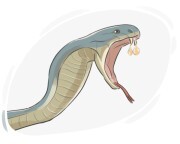
possessing or producing a toxin that is injected or delivered into another organism through a bite, sting, or other means

Ex: The coral snake is known for its venomous bite, which can be deadly if not treated promptly. 
Close
Sign in
migratory
migratory
[Adjective]

(of animals or birds) moving from one place to another, often with the changing seasons
Ex: Geese are migratory birds that fly south for the winter. 
Close
Sign in
ruminant
ruminant
[Adjective]

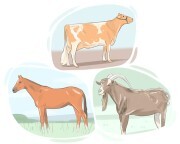
describing an animal that has a stomach with four compartments and chews cud as part of its digestion process

Ex: Studying the anatomy of ruminant creatures helps us understand their dietary needs and habits better. 
Close
Sign in
marine
marine
[Adjective]

related to the sea and the different life forms that exist there

Ex: Marine mammals, such as dolphins and whales, are well-adapted to life in the ocean. 
Close
Sign in
bipedal
bipedal
[Adjective]

having two legs

Ex: Humans are bipedal creatures, walking upright on two legs. 
Close
Sign in
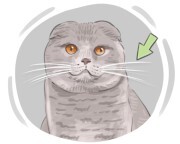
whisker
whisker
[noun]

any of the long, stiff hairs that grow on the face of a cat, mouse, etc.

Ex: The cat's whiskers twitched as it watched a bird outside the window. 
Close
Sign in
LanGeek
Download LanGeek app