
Słownictwo Kluczowych Naturalnych Punktów Orientacyjnych - Pustynia Sahara
Przegląd
Fiszki
formy
Pisownia
Test

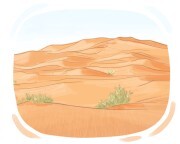
a large, dry area of land with very few plants, typically one covered with sand
pustynia, sahara
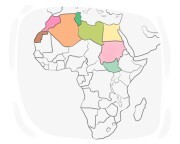
a region in the northern part of the African continent, typically including countries like Egypt, Algeria, Morocco, and Tunisia
Afryka Północna
Pogoda w północnej Afryce jest przeważnie gorąca i sucha, z bardzo małą ilością opadów.
a very large and hot desert in Northern Africa that is mostly covered in sand and known for its extreme temperatures and dry climate
Sahara, pustynia Sahara
Naukowcy badają klimat Sahary, aby zrozumieć pustynnienie.

to cover a significant distance or expanse
rozciągać się, ciągnąć się
a country located in North Africa known for its vibrant culture, delicious food, and beautiful landscapes including the Sahara desert
Maroko, Królestwo Marokańskie
Kuchnia Maroka obejmuje dania takie jak kuskus i tagine.
a republic in northwestern Africa on the Mediterranean coast; achieved independence from France in 1956
Tunezja, Republika Tunezyjska
a country on the continent of Africa with a rich history, famous for its pyramids, temples, and pharaohs
Egipt
(of an area) to extend over a specific distance
pokrywać, rozciągać się na
used to express area by multiplying length by width
kwadratowy, kwadrat-
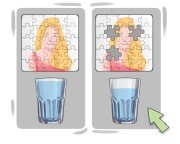
used to say that something is nearly the case but not completely
prawie, niemal
Byli prawie gotowi do wyjścia, kiedy zorientowali się, że zapomnieli swoich biletów.
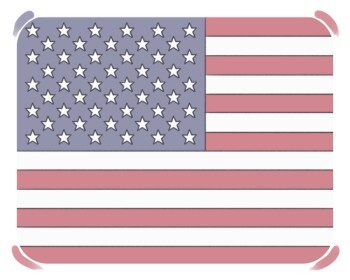
a country in North America that has 50 states
Stany Zjednoczone
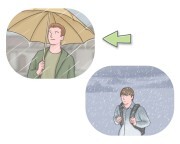
lacking moisture or liquid
suchy, wyschnięty
consisting of, containing, or covered with sand
piaszczysty, piaskowy
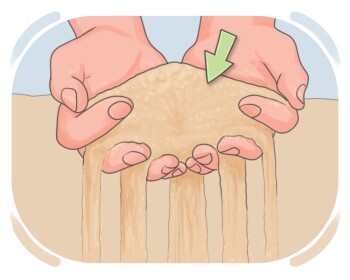
a pale brown substance that consists of very small pieces of rock, which is found in deserts, on beaches, etc.
piasek, drobny piasek
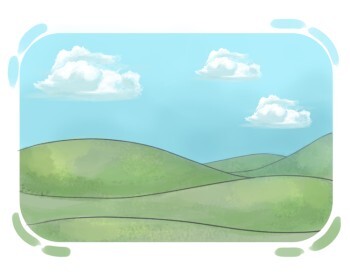
a naturally raised area of land that is higher than the land around it, often with a round shape
wzgórze, pagórek

to give a name or title to someone or something
nazywać, mianować
a mound or ridge of sand that is typically formed by the wind, often found in deserts, coastal areas, or other regions with significant wind activity
wydma, pagórek piasku
Wydmy barchanowe to wydmy w kształcie półksiężyca powszechnie spotykane na piaszczystych pustyniach, uformowane przez wiatr jednokierunkowy.
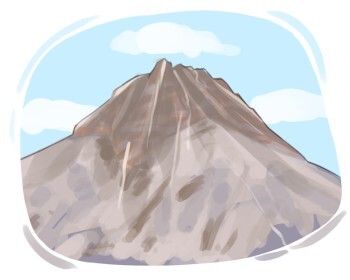
a very tall and large natural structure that looks like a huge hill with a pointed top that is often covered in snow
góra, szczyt
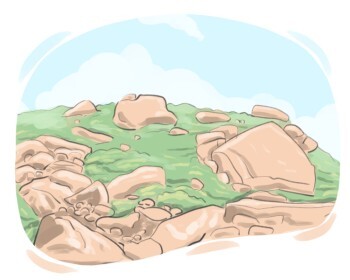
having a surface that is covered with large, uneven, or rough rocks, stones, or boulders
kamienisty, skalisty
Gleba w ogrodzie była kamienista, co utrudniało kopanie i sadzenie kwiatów.
a large, open, and grass-covered area
łąka, pastwisko
Rolnicy wykorzystują łąki do wypasu bydła.
difficult to endure
trudny, ciężki
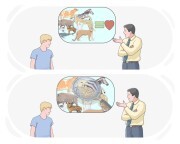
used to provide a specific situation or instance that helps to clarify or explain a point being made
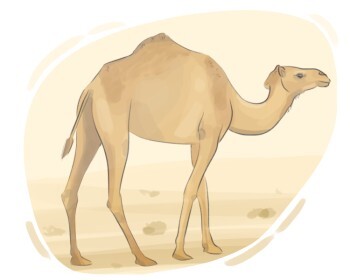
a large desert animal with a long neck and one or two humps on its back
wielbłąd, dromader
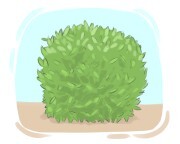
a type of plant small in size with several stems in the ground
krzak, krzew
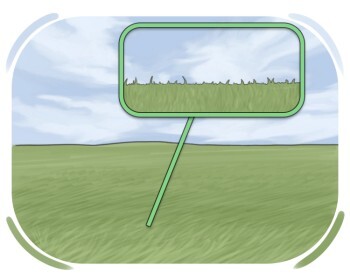
a plant with thin, short, and green upright leaves, commonly found in gardens, parks, etc.
trawa, murawa
to continue to function or exist despite difficult circumstances
przetrwać, przeżyć
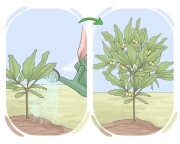
to cause a plant to develop and give fruit or flowers
uprawiać, hodować
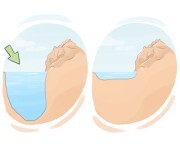
having a great distance from the surface to the bottom
głęboki
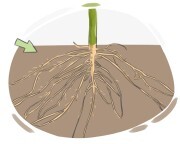
the underground part of a plant that absorbs water and minerals, sending it to other parts
korzeń, korzonek
to contain or have the capacity to contain a certain amount
mieścić, posiadać pojemność
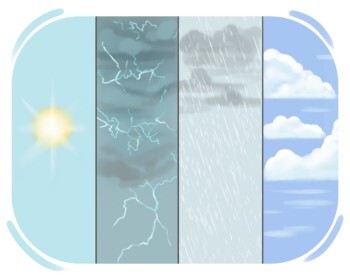
things that are related to air and sky such as temperature, rain, wind, etc.
pogoda, klimat
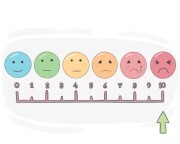
very high in intensity or degree
ekstremalny, intensywny
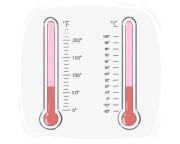
a measure of how hot or cold something or somewhere is
temperatura, stopień ciepła

a unit of measurement for temperature, angles, or levels of intensity, such as Celsius degrees or a degree of pain
stopień, stopień temperatury

relating to the temperature scale where water freezes at 0° and boils at 100°
Celsjusza, stopnie Celsjusza
Skala Celsjusza jest używana na całym świecie do raportów pogodowych.
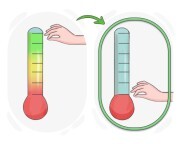
to become less in amount, number, degree, or intensity
spadać, zmniejszać się
a person or group that moves from place to place, usually in search of food, water, or pasture, rather than living permanently in one location
nomada, wędrowiec
Rodzina prowadziła koczowniczy tryb życia, przemieszczając się wraz z porami roku.
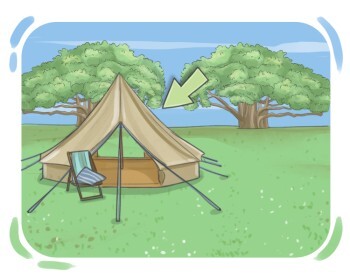
a portable shelter made of fabric stretched over poles or a frame, especially for camping
namiot, namiot kempingowy
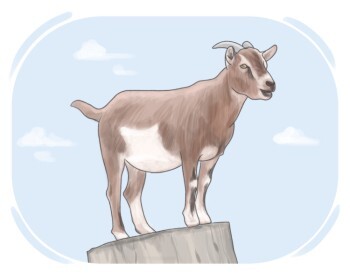
an animal with horns and a coat of hair that lives wild in the mountains or is kept on farms for its milk or meat
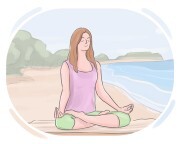
free from conflict, violence, or disorder
pokojowy, spokojny
Po długim dniu cieszyła się spokojną ciszą swojego ogrodu podczas zachodu słońca.

feeling or showing great surprise
zdumiony, zaskoczony
Jego zdumiona mina wiele mówiła o jego reakcji na nieoczekiwaną wiadomość.
| Słownictwo Kluczowych Naturalnych Punktów Orientacyjnych | |||
|---|---|---|---|
| Wielki Kanion | Mount Everest | Zorza polarna | Wodospady Wiktorii |
| Las deszczowy Amazonii | Wielka Rafa Koralowa | Pustynia Sahara | Góra Fudżi |
| Salar de Uyuni | Park Narodowy Banff | Uluru | Parícutin |
| Pamukkale | Martwe Morze | Góra Roraima | Droga Olbrzymów |
| Wodospad Niagara | Wyspa Jeju | Park Narodowy Yellowstone | Jaskinia Mamuta |
