pattern

Cambridge IELTS 17 - Akademicki - Test 3 - Czytanie - Fragment 2 (1)

Learn vocabulary from the first part of Cambridge IELTS 17 Academic, Test 3 Reading Passage 2, with useful words and expressions from the text.

Przegląd

Fiszki

formy

Pisownia

Test
Zacznij naukę
Cambridge IELTS 17 - Academic
to derive from
to derive from
[Czasownik]

to be originated from something

pochodzić z, wywodzić się z

pochodzić z, wywodzić się z

Ex: Her joy seemed to derive from the success of her children. 

Jej radość wydawała się wynikać z sukcesu jej dzieci.

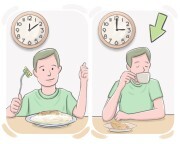
to consume
to consume
[Czasownik]

to eat or drink something

konsumować, jeść lub pić
konsumować, jeść lub pić

Ex: Visitors are not allowed to consume food inside the museum. 
to snack
to snack
[Czasownik]

to eat a small amount of food between meals, typically as a quick and informal meal

przekąsić,  podjadać

przekąsić, podjadać

Ex: On road trips, it's common for people to snack on chips and other convenient treats. 

W podróżach samochodowych ludzie często przegryzają chipsy i inne wygodne przekąski.

manufacturer
manufacturer
[Rzeczownik]

a person, company, or country that produces large numbers of products

producent, wytwórca

producent, wytwórca

Ex: The car manufacturer introduced a new model that promised better fuel efficiency. 
primarily
primarily
[przysłówek]

with a focus on the main aspects of a thing, situation, or person

głównie, przede wszystkim

głównie, przede wszystkim

Ex: The exercise routine is primarily designed to improve cardiovascular health. 

Rutyna ćwiczeń jest głównie zaprojektowana, aby poprawić zdrowie układu sercowo-naczyniowego.
property
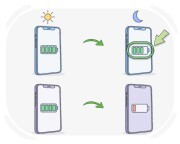
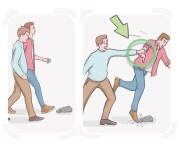
property
[Rzeczownik]

a feature or quality of something

właściwość, cecha
właściwość, cecha

Ex: The most desirable property of the new smartphone is its long-lasting battery life. 
packaged
packaged
[przymiotnik]

enclosed in a package or protective covering

zapakowany, opakowany

zapakowany, opakowany

to seize
to seize
[Czasownik]

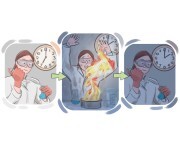
to take hold of something suddenly and firmly

chwycić,  złapać
chwycić, złapać

Ex: She quickly seized the falling glass before it hit the floor. 
to maximize
to maximize
[Czasownik]

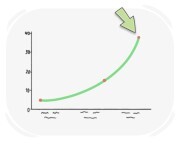
to increase something to the highest possible level

maksymalizować, optymalizować

maksymalizować, optymalizować

Ex: While renovating, they were maximizing the use of space in the small apartment. 

Podczas remontu maksymalizowali wykorzystanie przestrzeni w małym mieszkaniu.
to devote to
to devote to
[Czasownik]

to dedicate or commit oneself, time, effort, or resources to a particular purpose, activity, or cause

poświęcać, oddawać

poświęcać, oddawać

Ex: The organization is devoted to providing education and support to underprivileged communities. 

Organizacja zajmuje się zapewnianiem edukacji i wsparcia ubogim społecznościom.

to account for
to account for
[Czasownik]

to represent a specific amount or portion of a whole

stanowić, reprezentować

stanowić, reprezentować

Ex: The new product line is expected to account for a considerable share of the company's future profits. 

Oczekuje się, że nowa linia produktów będzie stanowić znaczną część przyszłych zysków firmy.

hectare
hectare
[Rzeczownik]

a land measurement unit that equals 10000 square meters or 2471 acres

hektar, Hektar to jednostka powierzchni równa 10 000 metrów kwadratowych lub około 2

hektar, Hektar to jednostka powierzchni równa 10 000 metrów kwadratowych lub około 2

Ex: In urban planning, the development project spans several hectares of land. 

W planowaniu miejskim projekt rozwojowy obejmuje kilka hektarów ziemi.

mere
mere
[przymiotnik]

used to highlight how insignificant, minor, or small something is

zwykły, tylko

zwykły, tylko

Ex: After the long hike, the treasure turned out to be a mere rock, disappointing the explorers. 
tonne
tonne
[Rzeczownik]

a metric unit of mass equal to 1,000 kilograms

tona,  tona metryczna
tona, tona metryczna

Ex: They harvested more than 200 tonnes of wheat. 
figure
figure
[Rzeczownik]

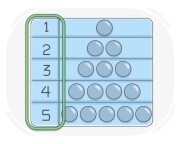
a symbol that represents any number between 0 and 9

cyfra, liczba
cyfra, liczba

Ex: In mathematics, figures are used to express numerical values. 
conservationist
conservationist
[Rzeczownik]

someone who makes efforts to protect the environment and wildlife from any type of harm

konserwacjonista, obrońca środowiska

konserwacjonista, obrońca środowiska

Ex: The government appointed a renowned conservationist to oversee the national park's preservation efforts. 

Rząd mianował znanego działacza na rzecz ochrony przyrody do nadzorowania działań na rzecz ochrony parku narodowego.
to cite
to cite
[Czasownik]

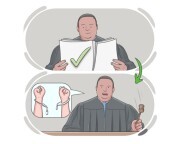
to mention something as an example, reason, or evidence in support of a statement or argument

cytować, powoływać się

cytować, powoływać się

Ex: The company cited weak demand as a reason for closing the factory. 
plantation
plantation
[Rzeczownik]

a large piece of land where many trees are grown for harvesting

plantacja, gospodarstwo rolne

plantacja, gospodarstwo rolne

Ex: A river flowed beside the sycamore plantation, helping the trees grow. 

Rzeka płynęła obok plantacji platanów, pomagając drzewom rosnąć.

countless
countless
[przymiotnik]

so numerous that it cannot be easily counted or quantified

niezliczony, bez liku

niezliczony, bez liku

Ex: The night sky was filled with countless stars. 

Nocne niebo było wypełnione niezliczonymi gwiazdami.

deforestation
deforestation
[Rzeczownik]

the extensive removal of forests, typically causing environmental damage

wylesianie, wycinka lasów

wylesianie, wycinka lasów

Ex: The deforestation of mountain slopes increases the risk of landslides. 

Wylesianie zboczy górskich zwiększa ryzyko osuwisk.

dwindling
dwindling
[przymiotnik]

becoming gradually smaller or less

malejący

malejący

Ex: The town's dwindling population worried local officials. 
population
population
[Rzeczownik]

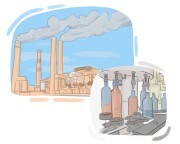
a group of organisms of the same species inhabiting a given area

populacja
populacja

Ex: A healthy population needs enough food and suitable habitat. 
monoculture
monoculture
[Rzeczownik]

the cultivation of a single crop (on a farm or area or country)

monokultura

monokultura

industrial
industrial
[przymiotnik]

related to the manufacturing or production of goods on a large scale

przemysłowy, industrialny

przemysłowy, industrialny

Ex: The industrial revolution transformed society by mechanizing production and increasing productivity. 

Rewolucja przemysłowa przekształciła społeczeństwo poprzez mechanizację produkcji i zwiększenie wydajności.
endangered species
endangered species
[Rzeczownik]

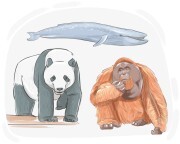
a type of animal or plant that is at risk of becoming extinct

gatunek zagrożony wyginięciem, zagrożony gatunek

gatunek zagrożony wyginięciem, zagrożony gatunek

Ex: Zoos sometimes play a role in breeding endangered species. 

Zoo czasami odgrywają rolę w hodowli zagrożonych gatunków.
fauna
fauna
[Rzeczownik]

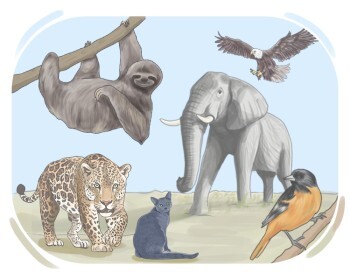
the animals of a particular geological period or region

fauna, zwierzęta

fauna, zwierzęta

Ex: The biologist conducted a survey of the local fauna, documenting the various species of birds, mammals, and insects inhabiting the area. 

Biolog przeprowadził badanie lokalnej fauny, dokumentując różne gatunki ptaków, ssaków i owadów zamieszkujących ten obszar.

threat
threat
[Rzeczownik]

something that poses danger or the possibility of harm

zagrożenie, niebezpieczeństwo

zagrożenie, niebezpieczeństwo

Ex: Pollution is a major threat to marine life. 
biodiversity
biodiversity
[Rzeczownik]

the existence of a range of different plants and animals in a natural environment

bioróżnorodność, różnorodność biologiczna

bioróżnorodność, różnorodność biologiczna

Ex: Preserving biodiversity is crucial for maintaining the balance of natural ecosystems. 

Zachowanie bioróżnorodności jest kluczowe dla utrzymania równowagi naturalnych ekosystemów.

to declare
to declare
[Czasownik]

to officially tell people something

ogłaszać, deklarować

ogłaszać, deklarować

Ex: The country's leaders gathered to declare their independence from colonial rule. 
radical
radical
[przymiotnik]

(of actions, ideas, etc.) very new and different from the norm

radykalny, rewolucyjny

radykalny, rewolucyjny

Ex: The scientist proposed a radical theory that challenged established beliefs. 
environmentalist
environmentalist
[Rzeczownik]

a person who is concerned with the environment and tries to protect it

ekolog, obrońca środowiska

ekolog, obrońca środowiska

Ex: He became an environmentalist after witnessing the devastating effects of climate change on his hometown. 

Został ekologiem po tym, jak był świadkiem niszczycielskich skutków zmian klimatu w swoim rodzinnym mieście.
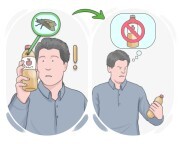
to boycott
to boycott
[Czasownik]

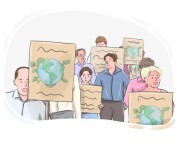
to refuse to buy, use, or participate in something as a way to show disapproval or to try to bring about a change

bojkotować, uczestniczyć w bojkocie

bojkotować, uczestniczyć w bojkocie

Ex: Students planned to boycott classes to draw attention to the need for educational reforms. 

Studenci planowali bojkotować zajęcia, aby zwrócić uwagę na potrzebę reform edukacyjnych.

to argue
to argue
[Czasownik]

to provide reasons when saying something is the case, particularly to persuade others that one is right

argumentować, dyskutować

argumentować, dyskutować

Ex: He argued that increasing funding for education would lead to long-term benefits for society. 
dramatic
dramatic
[przymiotnik]

surprising or exciting in appearance or effect

spektakularny, dramatyczny

spektakularny, dramatyczny

Ex: The sunset painted the sky in dramatic hues of orange and pink. 
intuitive
intuitive
[przymiotnik]

based on or derived from instinct rather than rational analysis

intuicyjny, instynktowny

intuicyjny, instynktowny

Ex: The intuitive solution to the problem came to her in the middle of the night. 

Intuicyjne rozwiązanie problemu przyszło do niej w środku nocy.

argument
argument
[Rzeczownik]

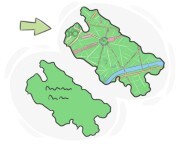
a reason or sets of reasons presented to show the correctness or falsehood of an action or idea

argument,  rozumowanie
argument, rozumowanie

Ex: The report sets out several arguments in favor of the new approach. 
nuanced
nuanced
[przymiotnik]

showing subtle differences or complexities, often in a way that requires careful consideration

zniuansowany, z subtelnymi różnicami

zniuansowany, z subtelnymi różnicami

Ex: His argument was nuanced, taking into account multiple viewpoints. 

Jego argument był zniuansowany, uwzględniając wiele punktów widzenia.
vital
vital
[przymiotnik]

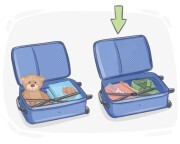
absolutely necessary and of great importance

istotny, niezbędny

istotny, niezbędny

Ex: Education is vital for personal and societal development. 
desirable
desirable
[przymiotnik]

worth doing or having

pożądany, atrakcyjny

pożądany, atrakcyjny

Ex: The neighborhood's desirable schools and amenities attracted families looking to settle down. 

Pożądane szkoły i udogodnienia w okolicy przyciągnęły rodziny szukające miejsca do osiedlenia się.
to eliminate
to eliminate
[Czasownik]

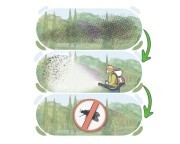
to completely remove, destroy, or get rid of something

eliminować,  usuwać

eliminować, usuwać

Ex: Regular cleaning helps eliminate unpleasant odors. 
supply chain
supply chain
[Rzeczownik]

the sequence of processes, organizations, people, activities, information, and resources involved in producing and delivering a product or service from its origin to the final customer

łańcuch dostaw, łańcuch zaopatrzenia

łańcuch dostaw, łańcuch zaopatrzenia

Ex: The pandemic exposed vulnerabilities in international supply chains. 

Pandemia ujawniła słabości w międzynarodowych łańcuchach dostaw.
developing country
developing country
[Rzeczownik]

a country that is seeking industrial development and is moving away from an economic system that is based mainly on agriculture

kraj rozwijający się, kraj rozwijany

kraj rozwijający się, kraj rozwijany

Ex: Developing countries face numerous challenges, including poverty and lack of access to healthcare. 

Kraje rozwijające się stoją przed licznymi wyzwaniami, w tym ubóstwem i brakiem dostępu do opieki zdrowotnej.

livelihood
livelihood
[Rzeczownik]

the resources or activities upon which an individual or household depends for their sustenance and survival

środki do życia, utrzymanie

środki do życia, utrzymanie

Ex: Artisans rely on their craft as their livelihood, creating handmade products to sell at markets or online. 

Rzemieślnicy polegają na swoim rzemiośle jako źródle utrzymania, tworząc ręcznie robione produkty do sprzedaży na targach lub online.

to strike
to strike
[Czasownik]

to successfully reach, achieve, or establish something that requires agreement or compromise

zawrzeć, ustanowić

zawrzeć, ustanowić

Ex: The two parties struck a deal after hours of negotiation. 
utilitarian
utilitarian
[przymiotnik]

having a design that prioritizes practicality and usefulness over aesthetics

utylitarny,  funkcjonalny

utylitarny, funkcjonalny

Ex: The bridge was built with a utilitarian style, prioritizing strength over beauty. 

Most został zbudowany w stylu utilitarnym, stawiając na pierwszym miejscu wytrzymałość, a nie piękno.

cropland
cropland
[Rzeczownik]

land that is used for growing crops like wheat, rice, or vegetables

grunty orne, ziemia uprawna

grunty orne, ziemia uprawna

Ex: He bought new machines to work on his cropland more easily. 

Kupił nowe maszyny, aby łatwiej pracować na swojej ziemi uprawnej.

bone of contention

a subject over which people disagree

kość niezgody, przedmiot sporu

kość niezgody, przedmiot sporu

Ex: The new policy quickly became a bone of contention in the office. 

Nowa polityka szybko stała się kością niezgody w biurze.

LanGeek
Pobierz aplikację LanGeek