
Cambridge IELTS 17 - Academic - Test 4 - Czytanie - Fragment 1 (1)
Ucz się słownictwa z pierwszej części Cambridge IELTS 17 Academic, Test 4 Reading Passage 1, z przydatnymi słowami i wyrażeniami z tekstu.
Przegląd
Fiszki
formy
Pisownia
Test

(usually plural) the mutual interactions or connections established between individuals or groups

relacje, powiązania
the business of using the land to grow and take care of crops and livestock
rolnictwo

the protection of the natural environment and resources from wasteful human activities
ochrona, zachowanie
to provide the energy or inspiration needed to drive or enhance a specific activity or process
zasilać, pobudzać
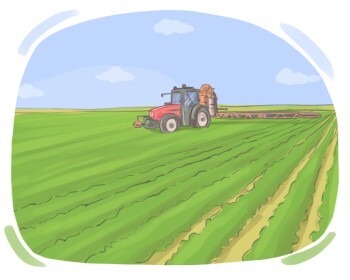
the practice of preparing and using land for growing crops, especially on a large scale
uprawa, obróbka rolnicza
Uprawa ryżu wymaga starannie zalanych pól.
used or consumed regularly by many people as a fundamental part of daily life
podstawowy, główny
Podstawowy produkt firmy jest znany ze swojej niezawodności i trwałości.

an insect or small animal that destroys or damages crops, food, etc.
szkodnik, pasożyt
Szkodnik uszkodził pszenicę, zanim mogła zostać zebrana.
a source for getting basic necessities in order to survive
utrzymanie, środek do życia
to destroy something completely
dewastować, niszczyć
Spowolnienia gospodarcze mogą zdziesiątkować małe firmy, które polegają na stałych wydatkach konsumentów.
feeding on or adapted to a diet that consists primarily or exclusively of insects
owadożerny, żywiący się owadami
Gady owadożerne, takie jak kameleony, używają swoich długich, zwinnych języków do łapania i spożywania owadów.
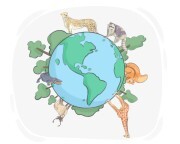
the existence of a range of different plants and animals in a natural environment
bioróżnorodność, różnorodność biologiczna
Zachowanie bioróżnorodności jest kluczowe dla utrzymania równowagi naturalnych ekosystemów.

(of an animal, child, or plant) to grow with strength, health, or energy
rozkwitać, prosperować
W sprzyjającym środowisku dzieci mają tendencję do rozkwitu zarówno fizycznego, jak i emocjonalnego.

a possible consequence that something can bring about
implikacja, konsekwencja
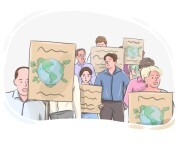
someone who makes efforts to protect the environment and wildlife from any type of harm
konserwacjonista, obrońca środowiska
Rząd mianował znanego działacza na rzecz ochrony przyrody do nadzorowania działań na rzecz ochrony parku narodowego.
a specialist in or student of the branch of science that deals with animals
zoolog

showing or having enthusiasm or strong emotions about something one care deeply about
pasjonujący, żarliwy
Prowadzili pasjonującą debatę na temat przyszłości energii odnawialnej w swojej społeczności.
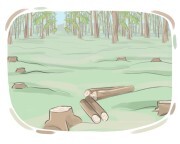
the extensive removal of forests, typically causing environmental damage
wylesianie, wycinka lasów
Wylesianie zboczy górskich zwiększa ryzyko osuwisk.

a detailed and careful consideration and examination
badanie, analiza
absolutely necessary and of great importance
istotny, niezbędny

to eat and drink abundantly, often as part of a celebration or special occasion
ucztować, biesiadować
Aby uczcić wyjątkową okazję, firma postanawia ucztować przy wystawnej kolacji w ekskluzywnej restauracji.
a large swarm of insects, especially locusts, that destroy crops or vegetation
plaga, nawałnica
Nagle plaga chrząszczy zniszczyła plony.
to reduce the severity or seriousness of something unpleasant
łagodzić, zmniejszać
without being exact
mniej więcej, około
Zarabia mniej więcej tyle samo, co jego kolega.

to store information in a way that can be used in the future
nagrywać, rejestrować
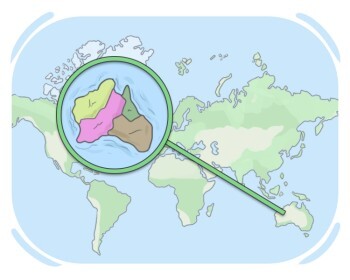
a large area of land or of the world with specific characteristics, which is usually borderless
region, obszar
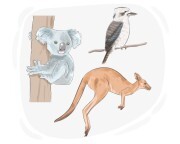
(of animals and plants) found and developed only in a particular place and not been brought from elsewhere
rdzenny, autochtoniczny
Las deszczowy Amazonii jest domem dla ogromnej różnorodności rodzimych gatunków roślin i zwierząt, których nie można znaleźć nigdzie indziej na Ziemi.
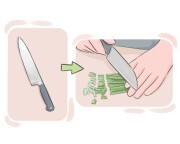
to make use of a situation, opportunity, or resource in a way that benefits oneself or achieves a desired outcome
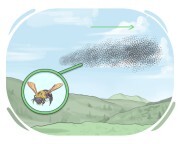
to gather or travel to a place in large, dense groups
roić się, napływać
Komary roiły się nad jeziorem, gdy zachodziło słońce.

relating to biology or the scientific study of living organisms
biologiczny, biologiczna
a person who restrains, conceals, or forcibly prevents something
tłumiciel, cenzor
to hunt, kill, and eat another animal as food
polować, żerować
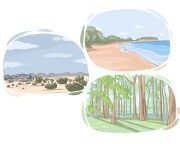
a community of living organisms together with their physical environment, interacting as a system
ekosystem, system ekologiczny
Wysiłki na rzecz ochrony mają na celu ochronę i przywracanie ekosystemów w celu utrzymania równowagi ekologicznej i zrównoważonego rozwoju.
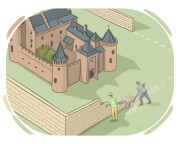
to form a boundary around something
graniczyć, obramowywać
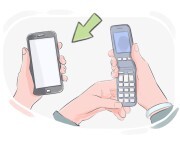
using or containing the most recent and developed methods, technology, materials, or ideas
najnowocześniejszy, zaawansowany
Zaprojektował najnowocześniejszy samochód, który zrewolucjonizuje przemysł.
involving or relating to sound waves with frequencies higher than the upper limit of human hearing
ultradźwiękowy
Urządzenie wyprodukowało ultradźwiękowy dźwięk, którego ludzie nie mogli usłyszeć, ale zwierzęta domowe na niego zareagowały.
determining the location of something by measuring the time it takes for an echo to return from it
echolokacja, lokalizacja za pomocą echa
serial arrangement in which things follow in logical order or a recurrent pattern
sekwencja, kolejność
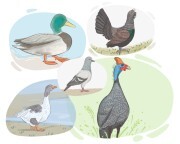
an animal that is hunted and killed for food by another animal
zdobycz
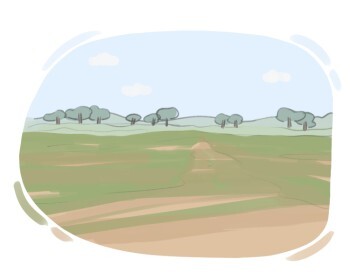
an area of land on which something is, was, or will be constructed
teren, plac
to find or discover something by searching for its features, characteristics, or details
zidentyfikować, rozpoznać

a specific point or location identified relative to surrounding features in an area or region
miejsce, punkt
to put a special pattern of lines on something so a machine can read information about it
nakleić kod kreskowy, oznakować kodem kreskowym
Personel szybko nakleił kody kreskowe na nowe przedmioty.
