
Listă de Cuvinte Nivel B2 - Animale
Aici veți învăța câteva cuvinte în engleză despre animale, cum ar fi "rasă", "specie", "cușcă" etc., pregătite pentru elevii de nivel B2.
Revizuire
Fișe de studiu
forme
Ortografie
Chestionar

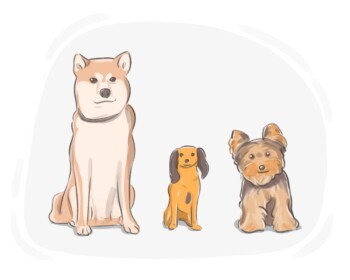
a particular type of animal or plant that has typically been domesticated by people in a certain way

rasă, specie
Rasa de cal arab este cunoscută pentru aspectul său elegant și rezistență.

to make animals produce offspring in a way that is suitable for human beings
crește, reproduce
Caniseria crește selectiv Labrador Retriever pentru temperamentul lor prietenos și inteligență.
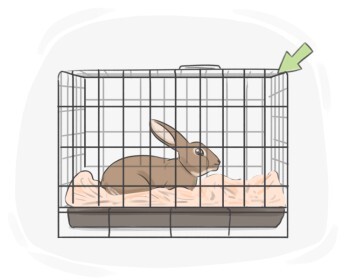
a framework made of metal bars or wires in which animals or birds can be kept
cușcă
Papagalul ciripea fericit în cușca sa spațioasă, bucurându-se de priveliștea de la fereastră.
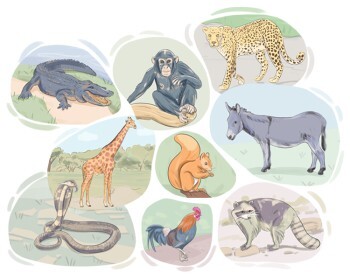
a group that animals, plants, etc. of the same type which are capable of producing healthy offspring with each other are divided into
specie, specii
Cinchezii Galapagos sunt un exemplu clasic al modului în care diferite specii pot evolua dintr-un strămoș comun.

an area occupied by an animal or a group of animals that is defended against others
teritoriu, domeniu
Leul și-a apărat cu înverșunare teritoriul de rivalii intruși.
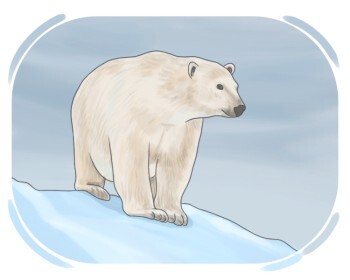
a large white bear which lives in the North Pole and is well-adapted to its icy environment
urs polar, urs alb
Schimbările climatice amenință habitatul ursului polar, pe măsură ce gheața marină topită îi reduce teritoriile de vânătoare.
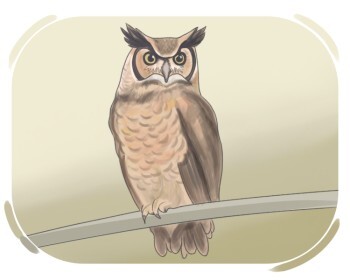
a type of bird with a round face, large eyes and a loud call that hunts smaller animals mainly during the night
bufniță, ciuf
Bufnițele posedă discuri faciale în formă de inimă care le ajută să capteze sunetul, ajutându-le în abilitățile de vânătoare.
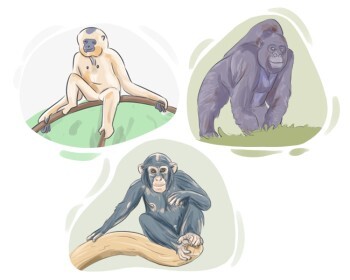
a tailless animal similar to a monkey, such as chimpanzees and gorillas
maimuță, maimuță antropoidă
Cercetătorii au observat comportamentele sociale ale maimuțelor în habitatul lor natural.
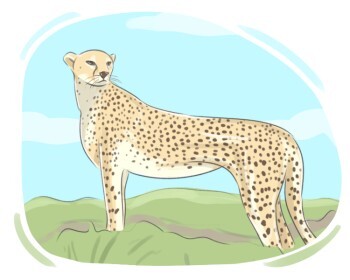
a type of large and wild animal that is from the cat family, can run very fast, and has yellow fur that is covered with small black spots
gepard, leopard
Cu blana sa netedă și pătată, gepardul este perfect adaptat habitatului său de stepă.
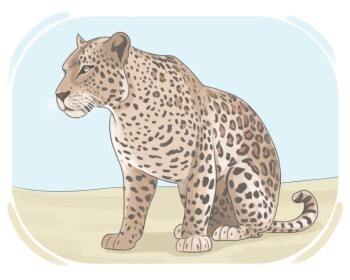
a large wild animal from the cat family with yellow fur and hollow black spots
leopard
În timpul safari-ului, am avut norocul să vedem un leopard odihnindu-se pe o ramură de copac.
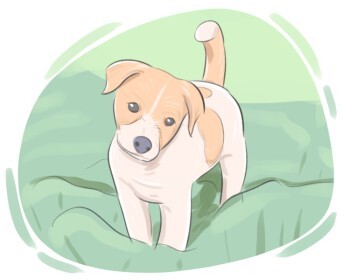
a young dog, especially one that is less than a year old
cățel, câine tânăr
Copiii chicoteau în timp ce cățelul explora stângace noul său mediu.
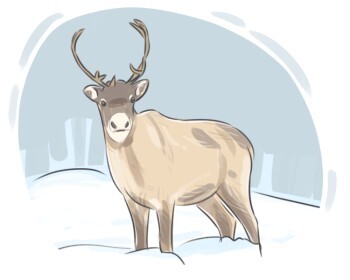
a type of deer with large antlers in both sexes, mainly living in cold regions
ren, caribu
În timpul iernii arctice, renii se adună împreună pentru a conserva căldura.
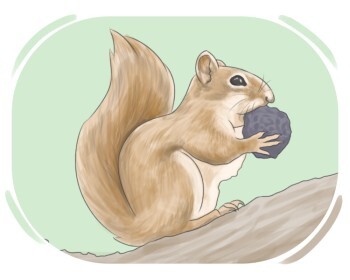
a furry animal with a thick tail that lives in trees and feeds on nuts and seeds
veveriță, șoarece de pădure
În timpul iernii, veverițele se bazează pe rezervele de hrană depozitate pentru a supraviețui.
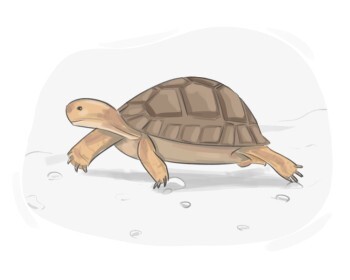
a type of turtle that lives on land and moves very slowly, with a large shell on its back
țestoasă, țestoasă de uscat
Vechiul țestoasă a traversat încet deșertul ars de soare.
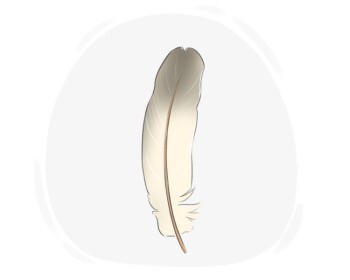
any of the light and soft parts covering the body of a bird
pană, fulg
Artistul a pictat meticulos fiecare pană individuală pe aripa bufniței în detaliu exquis.
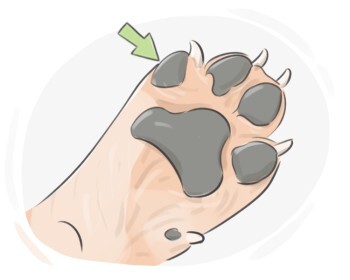
an animal's foot that typically has a combination of nails, claws, fur, and pads
lăbuță, picior
Pisoiul a lovit jucăuș șoricelul de jucărie cu micile lui lăbuțe.
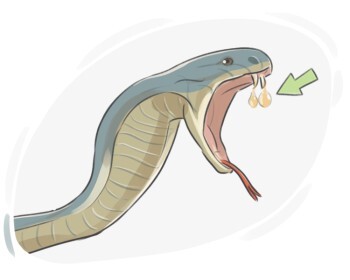
a toxic substance produced and secreted by certain animals, typically used for defense or hunting
venin, toxină
Șarpele a injectat venin în prada sa.
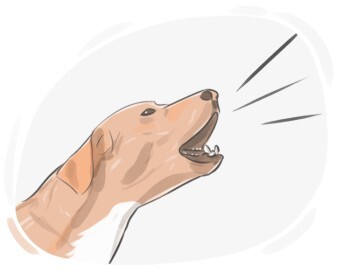
to make a short, loud sound that is typical of a dog
lătra, zgomot
Câinele a lătrat tare când poștașul s-a apropiat de casă.
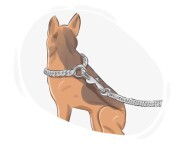
to secure or attach something or someone using a series of connected links
a înlănțui, a lega cu un lanț
Pentru a asigura barca, căpitanul o va înlănțui la cheu.
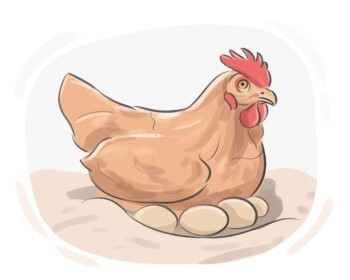
(of a bird, insect, fish, etc.) to produce eggs
ouă, depune
Găina a ouat o duzină de ouă în cuibul de ieri.
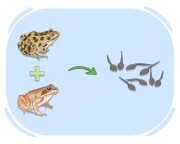
(of animals) to have sex for breeding or reproduction
se împerechea, se reproduce
Păsările se împerechează în timpul sezonului de primăvară pentru a-și crește puii.
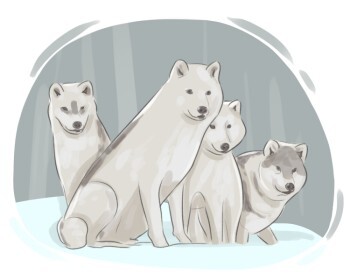
a group of animals of the same type hunting or living together, particularly wolves
haidă, turma
Haita de lupi cutreiera pădurea, mișcările lor coordonate făcându-i o forță de vânătoare formidabilă.
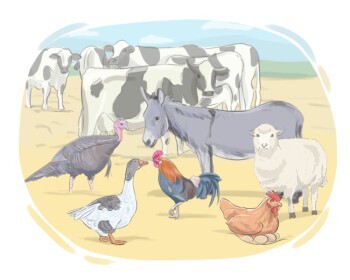
(of an animal) capable of living with humans, either on a farm or as a pet in a house
domestic, domesticit
Pisicile domestice afișează adesea comportamente care arată adaptarea lor la viața alături de oameni.
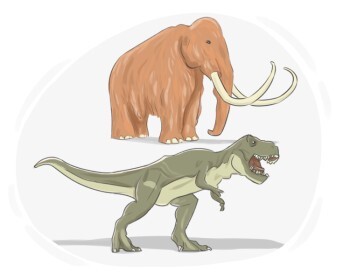
(of an animal, plant, etc.) not having any living members, either due to natural causes, environmental changes, or human activity
dispărut, stins
Pasărea dodo este un exemplu de specie care acum este dispărută, deoarece a dispărut cu secole în urmă din cauza activității umane.
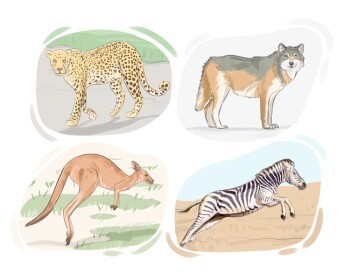
a class of animals to which humans, cows, lions, etc. belong, have warm blood, fur or hair and typically produce milk to feed their young
mamifer, animal mamifer
Liliacul este singurul mamifer capabil de zbor susținut.
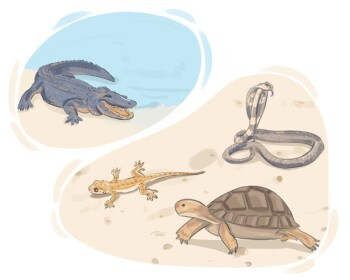
a class of animals to which crocodiles, lizards, etc. belong, characterized by having cold blood and scaly skin
reptilă, animal cu sânge rece
Un reptilă ca un șarpe poate supraviețui într-o gamă largă de medii.
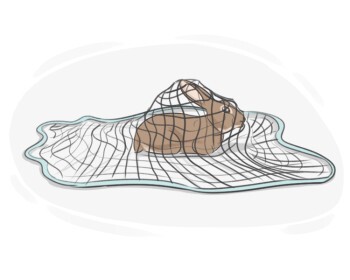
to capture an animal using an object called a trap
a prinde în capcană, a captura
Fermierul a prins un raton care jefuia cocina, folosind o cușcă cu momeală lângă hambar.
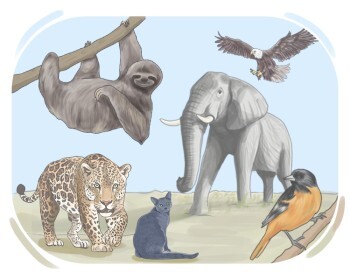
all wild animals, considered as a whole, living in the natural environment
faună sălbatică, viață sălbatică
Parcul național găzduiește o varietate de faună sălbatică, inclusiv urși și lupi.
