
Abilități Lexicale pentru SAT 2 - Lecția 2
Revizuire
Fișe de studiu
Ortografie
Chestionar

a legendary forest god or spirit that is part human and part goat

faun, satir
În mitologia greacă, faunii erau adesea asociați cu zeul Pan și se credea că sunt paznici ai peisajelor sălbatice și naturale.
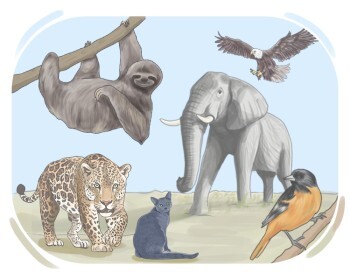
the animals of a particular geological period or region
faună, animale
Explorând pădurea luxuriantă, am întâlnit o faună remarcabilă de păsări colorate, mamifere evazive și insecte vibrante.
having no energy or interest in doing anything
letargic, apatic
Medicamentul pe care îl lua avea un efect secundar de a-l face să se simtă letargic și obosit.
a state of unusual sleepiness or absence of alertness
letargie, toropeală
Insomnia cronică a lui Mark a dus la o letargie persistentă pe parcursul zilei, făcându-i dificil să se concentreze la muncă.
excessively unreasonable or unfair and therefore unacceptable
inconștient, scandalos
Tratamentul companiei față de angajații săi a fost considerat inacceptabil de către activiștii pentru drepturile muncitorilor.
the part of the mind that is not currently in focused awareness, but still influences thoughts, feelings, and behavior, often through automatic or involuntary processes
subconștient, inconștient
Subconștientul lui continua să aducă aminte pe care le uitase.
the members of a country's nobility as a class
nobilime
Titlurile din cadrul nobilimii, cum ar fi duce, conte, viconte și baron, dețineau ranguri și responsabilități distincte.
incapable of being compared to others due to superior quality or excellence
incomparabil, fără pereche
Abilitățile și tehnica sa de neegalat l-au făcut un sportiv fără pereche în lumea tenisului profesionist.
(biochemistry) interaction between two or more substances where one of them stops or reduces the effect of others
antagonism, interacțiune antagonistă
Interacțiunile medicamentoase pot duce la antagonism atunci când efectele lor se opun.
showing that one actively dislikes or disagrees with something or someone
antagonistic, ostil
Frații aveau o relație antagonistă, certându-se constant și încercând să se depășească unul pe altul în fiecare aspect al vieții lor.
deliberately designed to mislead
înșelător, fals
Site-ul web a propagat informații înșelătoare pentru a obține clicuri.
a false idea or belief based on invalid arguments, often one that many people think is true
eroare logică, înșelăciune
Înrădăcinată într-o eroare, credința că purtarea unui amulet norocos garantează succesul ignoră rolul abilității, pregătirii și oportunității în obținerea rezultatelor dorite.
likely to be wrong or mistaken
supus la erori, predispus la greșeli
Relatările istorice sunt defectuoase și supuse interpretării din cauza perspectivelor și prejudecăților care le afectează acuratețea.
relating to or based on a part of a word that consists of a vowel with or without a consonant
silabic, referitor la silabe
În unele limbi, cum ar fi japoneza, fiecare caracter reprezintă o unitate silabică mai degrabă decât un sunet individual.
the act of dividing words into syllables
silabizare, divizare în silabe
Profesorul a învățat elevii despre silabificare și cum să identifice limitele silabelor în cuvinte.
a line or verse that is made of ten syllables
decasilab, vers de zece silabe
În această poezie, fiecare linie respectă structura strictă a unui decasilab, creând un flux ritmic și melodic.
a word that is made of two syllables
disilab, cuvânt format din două silabe
În analiza lingvistică, identificarea dacă un cuvânt este monosilabic, bisilabic sau polisilabic este importantă pentru înțelegerea structurii și pronunției acestuia.
physical weakness that is caused by a disease or aging
slăbiciune, slăbiciune fizică
Pe măsură ce îmbătrânea, artrita ei a cauzat slăbiciune în mâini, făcându-i dificil să prindă obiecte.
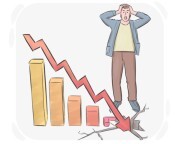
to make someone or something weaker or less effective
slăbi, debilita
Ani de neglijență au slăbit infrastructura orașului.
causing a decrease in physical or mental strength
debilitant, slăbitor
Căldura extremă a avut un impact debilitant asupra sportivilor, afectându-le performanța în maraton.
