
Vocabular pentru IELTS Academic (Scor 8-9) - Literatură
Aici, vei învăța câteva cuvinte în engleză legate de Literatură care sunt necesare pentru examenul academic IELTS.
Revizuire
Fișe de studiu
Ortografie
Chestionar
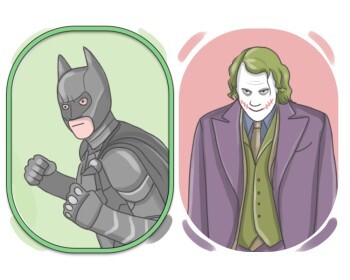
the main character in a movie, novel, TV show, etc.

personaj principal, protagonist
Protagonistul romanului este un tânăr orfan care se lansează într-o călătorie de autodescoperire și aventură.
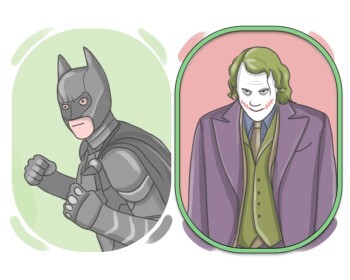
villainous character who strongly opposes another person or thing
antagonist, inamic
Antagonistul din roman era un ticălos viclean și nemilos, hotărât să zădărnicească planurile protagonistului la fiecare pas.

a fictional character with superpowers who is morally evil
superrăufăcător, răufăcător cu superputeri
an elaborate or far-fetched poetic image or comparison between very dissimilar things, used in literature
concept, conceit
Conceit-ul central al poeziei a asemănat timpul cu un hoț.
a technique used in speech and writing to exaggerate the extent of something
hiperbolă, exagerare
Afirmația sa că a dormit un secol a fost o hiperbolă pentru a-și exprima epuizarea.
the fact of having an excessive number of words that results in being tedious
prolixitate
Conferința profesorului a fost criticată pentru prolixitatea sa, deoarece mulți studenți au considerat detaliile excesive și explicațiile lungi copleșitoare și plictisitoare.
a short promotional description of a book, motion picture, etc. published on the cover of a book or in an advertisement
o scurtă descriere promoțională, un rezumat atrăgător
Blurb-ul de pe coperta din spate a romanului oferă un scurt rezumat al intrigii pentru a atrage cititorii.
a quotation or phrase placed at the beginning of a book, chapter, or other written work, often to suggest a theme or context
epigraf, citat introductiv
Romanul începe cu un epigraf de la T.S. Eliot.
a collection of various items, such as literary pieces, poems, letters, etc., gathered from different sources
amestec, colecție
Rafturile de cărți erau pline de diverse, de la artefacte antice până la obiecte de colecție ciudate adunate de-a lungul anilor.
someone who writes pamphlets, especially one who promotes partisan views on political issues
pamfletar, autor de pamflete
În secolul al XVIII-lea, Thomas Paine a apărut ca un proeminent pamfletar, pledând pentru independența americană cu lucrări precum "Common Sense".
someone who uses words skillfully, especially a gifted author
maestru al cuvintelor, virtuos al limbii
a cultural and artistic movement that explores the intersection of African and African Diaspora culture with technology and the future
Afrofuturism, o mișcare culturală și artistică care explorează intersecția culturii africane și a diasporei africane cu tehnologia și viitorul
Filmul "Black Panther" este adesea menționat ca un exemplu de top al Afrofuturismului, combinând cultura africană cu tehnologia și temele futuriste.

a story, play, movie, etc. about a mystery or murder that the audience cannot solve until the end
un roman polițist, o enigmă criminală
Cel mai recent roman al autorului de bestseller-uri este un whodunit captivant, plin de întorsături care țin cititorii în suspans până la final.
an ancient book, written by hand, especially of scriptures, classics, etc.
codex, manuscris vechi
Exponatul de preț al muzeului este un codex iluminat din perioada medievală, prezentând ilustrații și caligrafie minuțios detaliate.
a short, simple story that teaches a moral lesson
parabolă, alegorie
Culturile antice transmiteau adesea înțelepciunea prin pilde.
humor, irony, ridicule, or sarcasm used to expose or criticize the faults and shortcomings of a person, government, etc.
satiră, ironie
Satira în literatură contestă adesea normele și convențiile sociale.
a specific story, artwork, or performance that embodies symbolic representation of deeper truths
alegorie, poveste simbolică
Progresul Pelerinului este o alegorie clasică care înfățișează călătoria sufletului spre mântuire.
the beginning section of a movie, book, play, etc. that introduces the work
prolog, introducere
Prologul romanului a pregătit scena pentru aventura epică care a urmat.
a brief section added at the end of a literary work, providing closure, commentary, or resolution
epilog, postfață
Romanul s-a încheiat cu un epilog care explica viitorul personajelor.
a statement that implies or indirectly mentions something or someone else, especially as a literary device
aluzie, referire
Comentariul ei despre "a-și întâlni Waterloo-ul" a fost o aluzie la înfrângerea finală a lui Napoleon, sugerând că a înfruntat o provocare de netrecut.

a short story on morality with animal characters
fabula, poveste morală
a concise version of a lengthy play, novel, etc.
rezumat, versiune prescurtată
Editorul a lansat un rezumat al romanului clasic, făcându-l mai accesibil pentru cititorii moderni cu timp limitat.
| Vocabular pentru IELTS Academic (Scor 8-9) | |||
|---|---|---|---|
| Computer | Istorie | Religion | Cultură și Obicei |
| Limba | Arte | Muzică | Film și Teatru |
| Literatură | Arhitectură | Marketing | Finanțe |
| Management | Medicină | Boală și Simptome | Lege |
| Crimă | Pedeapsă | Guvern | Politică |
