
Adverbe de Timp și Loc - Adverbe de Secvență
Aceste adverbe oferă informații despre relația cronologică sau secvențială dintre diferite acțiuni sau evenimente, cum ar fi "mai întâi", "următor", "după", etc.
Revizuire
Fișe de studiu
Ortografie
Chestionar

before anything or anyone else in time, order, or importance

mai întâi, în primul rând
Înainte de a începe proiectul, este crucial să vă planificați și să vă schițați obiectivele mai întâi.
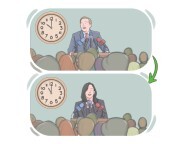
at the time or point immediately following the present
următorul, apoi
Ea plănuiește să viziteze muzeul data viitoare.

at the initial state, purpose, or condition of something before any changes occurred
inițial, original
Clădirea găzduia inițial o bibliotecă înainte de a deveni un cafenea.
at the starting point of a process or situation
inițial, la început
Medicamentul a fost inițial testat pe șoareci înainte de testele pe oameni.

used to explain the main reason or starting point of a situation
în primul rând, mai întâi
Nu vreau să merg în primul rând, sunt obosit și, în al doilea rând, nu îmi permit.

before the present moment or a specific time
anterior, înainte
Ea a lucrat anterior pentru o altă companie înainte de a se alătura celei actuale.

at a later time
după, ulterior
Ea a părăsit petrecerea devreme, iar el a urmat la scurt timp după.

used to indicate the second item in a list of arguments, reasons, or steps
în al doilea rând, doi

in the time following a specific action, moment, or event
după aceea, ulterior
Ea și-a terminat munca, și apoi, a ieșit la plimbare.

used to refer to the most recent time at which an event occurred
ultima dată, recent
after a particular event or time
ulterior, apoi
S-a mutat în Franța și ulterior a început să studieze arta.

following next after the second in a sequence
în al treilea rând
În primul rând, vom examina datele; în al doilea rând, vom analiza tendințele; și în al treilea rând, vom propune soluții.
in an earlier period
fost, altădată
Ea a fost anterior profesoară înainte de a urma o carieră în jurnalism.

in a consecutive manner
succesiv, consecutiv
Echipa a câștigat trei jocuri succesiv, demonstrându-și dominația.
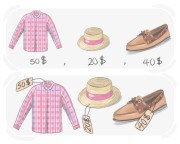
used to show that separate items correspond to separate others in the order listed
respectiv
Tom și Jerry au 5 și, respectiv, 3 ani.
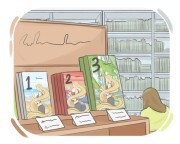
in consecutive parts or stages
serial, consecutiv
Romanul a fost lansat în serial în numerele lunare ale revistei.
in an unbroken sequence with no gaps or pauses
consecutiv, succesiv
A câștigat trei turnee consecutiv, un record în sport.
