pattern

Příslovce Času a Místa - Příslovce Posloupnosti

Tato příslovce poskytují informace o chronologickém nebo sekvenčním vztahu mezi různými akcemi nebo událostmi, jako je "nejprve", "další", "po", atd.

Revize

Kartičky

tvary

Pravopis

Kvíz

Začněte se učit
Categorized Adverbs of Time and Place
first
first
[Příslovce]

before anything or anyone else in time, order, or importance

nejdříve, za prvé
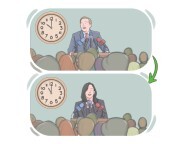
nejdříve, za prvé

Ex: Before starting the project, it's crucial to plan and outline your goals first. 
next
next
[Příslovce]

at the time or point immediately following the present

dále, poté

dále, poté

Ex: She plans to visit the museum next. 
originally
originally
[Příslovce]

at the initial state, purpose, or condition of something before any changes occurred

původně, zpočátku

původně, zpočátku

Ex: The building originally housed a library before becoming a café. 
initially
initially
[Příslovce]

at the starting point of a process or situation

zpočátku, na začátku

zpočátku, na začátku

Ex: The drug was initially tested on mice before human trials. 
in the first place
in the first place
[Příslovce]

used to explain the main reason or starting point of a situation

v první řadě, především
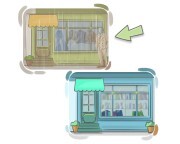
v první řadě, především

Ex: I don't want to go in the first place, I'm tired, and secondly, I can't afford it. 
previously
previously
[Příslovce]

before the present moment or a specific time

dříve, předtím
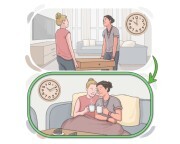
dříve, předtím

Ex: She had previously worked for a different company before joining the current one. 
after
after
[Příslovce]

at a later time

po, později

po, později

Ex: She left the party early, and he followed shortly after. 
second
second
[Příslovce]

used to indicate the second item in a list of arguments, reasons, or steps

za druhé, druhý
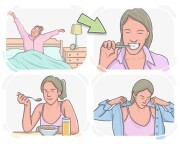
za druhé, druhý

Ex: First, the plan is costly; second, it's impractical. 
afterward
afterward
[Příslovce]

in the time following a specific action, moment, or event

poté, následně
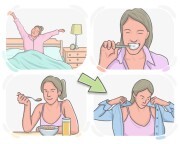
poté, následně

Ex: She completed her work, and afterward, she went for a walk. 
last
last
[Příslovce]

used to refer to the most recent time at which an event occurred

naposledy, nedávno

naposledy, nedávno

Ex: I last saw her at the coffee shop last week. 
subsequently
subsequently
[Příslovce]

after a particular event or time

následně, poté
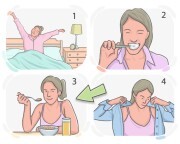
následně, poté

Ex: She moved to France and subsequently began studying art. 
third
third
[Příslovce]

following next after the second in a sequence

za třetí

za třetí

Ex: First, we'll review the data; second, we'll analyze trends; and third, we'll propose solutions. 
formerly
formerly
[Příslovce]

in an earlier period

dříve, kdysi

dříve, kdysi

Ex: She was formerly a teacher before pursuing a career in journalism. 
successively
successively
[Příslovce]

in a consecutive manner

postupně,  za sebou
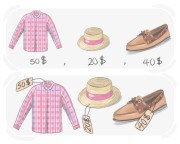
postupně, za sebou

Ex: The team won three games successively, showcasing their dominance. 
respectively
respectively
[Příslovce]

used to show that separate items correspond to separate others in the order listed

respektive
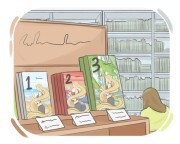
respektive

Ex: Tom and Jerry are 5 and 3 years old, respectively. 
serially
serially
[Příslovce]

in consecutive parts or stages

sériově, postupně

sériově, postupně

Ex: The novel was released serially in monthly magazine installments. 
consecutively
consecutively
[Příslovce]

in an unbroken sequence with no gaps or pauses

postupně,  za sebou

postupně, za sebou

Ex: She won three tournaments consecutively, a record in the sport. 
LanGeek
Stáhnout aplikaci LanGeek