
Продвинутый Словарный Запас для TOEFL - Убеждение и согласие
Здесь вы узнаете некоторые английские слова о убеждении и согласии, такие как "соглашаться", "соблазнять", "разрыв" и т.д., которые необходимы для экзамена TOEFL.
Обзор
Флэш-карточки
формы
Правописание
Тест


to agree to something such as a request, proposal, demand, etc.

согласиться
Правительство согласилось с требованием общественности о лучшем здравоохранении, реализовав всеобъемлющие реформы.

to reluctantly accept something without protest
соглашаться
Студент, не сумев убедить преподавателя в обратном, согласился и принял более низкую оценку за задание.
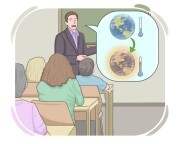
to propose an idea or theory for discussion
предложить
Во время командного собрания Сара выдвинула новую маркетинговую стратегию для повышения видимости продукта.
to agree and not oppose to something that one generally finds unacceptable or unpleasant
одобрять
Несмотря на свои личные сомнения, он решил одобрить новую политику, чтобы сохранить гармонию в команде.

to express one's disagreement, refusal, or reluctance
возражать
Когда Сару попросили поработать сверхурочно, она возразила, ссылаясь на семейные обязательства.

to make someone do something specific, often by offering something attractive
прельстить
Рекламодатели надеялись, что красочные дисплеи соблазнят покупателей просмотреть их ассортимент.
to gradually move oneself or a thing into a particular place or position by elusive manipulation
сниска́ть ми́лость
Политик внедрил свою повестку в обсуждения комитета, не обращаясь к ней напрямую.
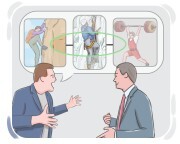
to bring up a topic or question for discussion
обсуждать
Команда решила обсудить идею гибкого графика работы на следующем собрании сотрудников.

to encourage someone to do or say something
побуждать
to persuade someone to do what one wants by threatening them or giving them money
убеждать
Коррумпированный чиновник был обвинен в попытке подкупить присяжных, предлагая им взятки.
to persuade and convince a person to do something
уговаривать
Ей удалось убедить своего друга присоединиться к благотворительному мероприятию.
to officially cancel a law, decision, agreement, etc.
аннулировать
Совет в настоящее время отменяет предыдущее решение из-за новых доказательств.
to cause an agreement or relation to be breached
разрывать
Обнаружение скрытых пунктов в договоре разорвало доверие между двумя сторонами, что привело к юридическим спорам.
displaying a willingness to start an argument, fight, or war
воинственный
Воинственное поведение соперничающих банд привело к частым столкновениям в районе.
persuasive in a gentle manner
лаской
Она улыбнулась убедительно, чтобы уговорить его присоединиться к группе.
serving as a clear sign or signal of something
указывающий
Его спокойное поведение во время кризиса было показателем его сильных лидерских качеств.
eager to start a fight or argument
драчливый
Всегда ищущий драки, его драчливый характер заработал ему репутацию в офисе.

suggested or understood without being verbally expressed
молчаливый
У них было молчаливое признание навыков друг друга, что привело к гладкому сотрудничеству.
unlikely to cause an argument
непринужденный
Комитет принял бесспорное решение, с которым все согласились.
the act of officially abolishing or ending a law, agreement, etc.
отмена
Отмена устаревшей политики была встречена с широким одобрением.
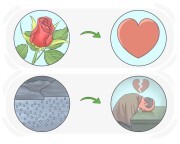
an idea, feeling, or meaning that is implied, suggested, or associated with a word or expression beyond its literal definition
коннотация
words or actions meant to flatter or charm someone in order to persuade them to do something
лесть
Никакое количество лести не могло заставить её изменить своё мнение.
willingness to do what makes others pleased and accept their opinions
обходительность
Уступчивость дипломата помогла смягчить напряженность во время переговоров.
a difference in interests, views, opinions, etc.
расхождение
Религиозное разногласие в семье привело к оживлённым дебатам за обеденным столом.
the action or process of trying very hard to persuade someone to do something
увещевание
a loud, forceful, and emotional speech or lecture, intended to persuade or criticize
разглагольствование
Политик произнёс тираду против коррупции.
the wish to do or have something, especially something improper or foolish
искушение
Несмотря на строгую диету, она почувствовала сильное искушение побаловать себя богатым шоколадным тортом на вечеринке.
the act of validating an agreement by signing it or voting for it
ратификация
Ратификация договора была завершена после нескольких месяцев переговоров.
official approval or agreement
одобрение
Предложенные изменения политики получили официальное одобрение совета директоров.
a situation in which all those involved are in complete agreement on something
единодушие
Единодушие жюри удивило многих, учитывая сложность дела.
a loud, disorderly quarrel or brawl involving multiple people
драка
Схватка вспыхнула за пределами стадиона после окончания матча.
a difficult situation in which opposing parties cannot reach an agreement
тупик
Переговоры зашли в тупик после того, как обе стороны отказались уступать.
a division between a group of people caused by their disagreement over beliefs or views
раскол
Раскол в политической партии привел к разделению в руководстве и политике.
a short, political argument, particularly between rivals
стычка
Солдаты вступили в краткую стычку с вражескими силами, прежде чем отступить для перегруппировки.
a violent argument between two groups in which members of each side make attempts to murder the members of the opposing side in retaliation for things that occurred in the past
кровная месть, вендетта
Семьи были вовлечены в вендетту на протяжении поколений, каждая ища мести за прошлые обиды.
