
Pokročilá Slovní Zásoba pro TOEFL - Přesvědčování a Dohoda
Zde se naučíte některá anglická slova o přesvědčování a souhlasu, jako "přistoupit", "lákat", "roztržka" atd., která jsou potřebná pro zkoušku TOEFL.
Revize
Kartičky
tvary
Pravopis
Kvíz


to agree to something such as a request, proposal, demand, etc.

přistoupit, souhlasit
Po pečlivém zvážení výbor vyhověl žádosti profesora o další financování výzkumu.

to reluctantly accept something without protest
souhlasit neochotně, podrobit se
Představenstvo neochotně souhlasilo s rozhodnutím generálního ředitele, ačkoli někteří členové nesouhlasili.
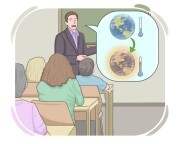
to propose an idea or theory for discussion
navrhnout, předložit
to agree and not oppose to something that one generally finds unacceptable or unpleasant
tolerovat, schválit
Je důležité ne tolerovat chování, které je v rozporu s vašimi zásadami nebo hodnotami, i když pochází od blízkého přítele.

to express one's disagreement, refusal, or reluctance
namítat, váhat
Váhal s přijetím povýšení, nejistý, zda je připraven na odpovědnost.

to make someone do something specific, often by offering something attractive
svádět, lákat
Restaurace nalákala strávníky do centra města svou jedinečnou fúzní kuchyní a živou atmosférou.
to gradually move oneself or a thing into a particular place or position by elusive manipulation
naznačit, propašovat
Vnutila se do společenského kruhu účastí na akcích, o kterých věděla, že budou přítomni vlivní členové.
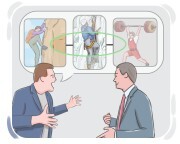
to bring up a topic or question for discussion
navrhnout, předložit
Otázka financování byla zmíněna, ale nakonec nebyla v diskuzi řešena.
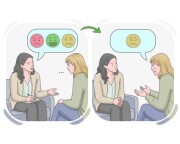
to cause or encourage someone to say, think, or do something
podnítit, vybízet
to persuade someone to do what one wants by threatening them or giving them money
podplatit, přesvědčit výhrůžkami nebo penězi
Trenér byl obviněn z podplácení rozhodčích, aby zajistil příznivá rozhodnutí pro svůj tým během zápasu.
to persuade and convince a person to do something
přesvědčit, přemluvit
Měl potíže přesvědčit svého partnera, aby přijal nový rozpočtový plán.
to officially cancel a law, decision, agreement, etc.
zrušit, odvolat
Společnost zrušila kontroverzní politiku poté, co obdržela výrazný odpor zaměstnanců.
to cause an agreement or relation to be breached
přerušit, porušit
Zrada blízkého přítele přerušila jejich přátelství, což zanechalo obě strany cítící se zraněné a zrazené.
displaying a willingness to start an argument, fight, or war
bojovný, agresivní
Jakeův bojovný postoj často vede k hádkám se spolužáky.
persuasive in a gentle manner
přesvědčivý, lichotivý
Přesvědčivý postoj hostitele způsobil, že se hosté cítili pohodlně a vítáni.
serving as a clear sign or signal of something
indikativní, vypovídající
Její vysoké testové skóre bylo indikativní její akademické zdatnosti.
eager to start a fight or argument
svárlivý, bojovný
Rváčský mladík se často ocital v hádkách kvůli malichernostem.

suggested or understood without being verbally expressed
mlčenlivý, implicitní
Jeho mlčenlivý souhlas byl zřejmý z jeho přikývnutí, i když nic neřekl.
unlikely to cause an argument
nesporný, nepravděpodobný způsobit spor
Nové směrnice byly nesporné, což zajistilo hladký přechod pro všechna oddělení.
the act of officially abolishing or ending a law, agreement, etc.
zrušení, anulování
Vláda oznámila zrušení obchodní dohody kvůli nevyřešeným sporům.
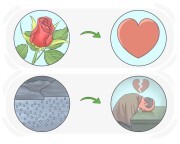
an idea, feeling, or meaning that is implied, suggested, or associated with a word or expression beyond its literal definition
konotace, podtext
words or actions meant to flatter or charm someone in order to persuade them to do something
lichotky, podbízivosti
Politici se často spoléhají nalichotky, aby získali veřejnou podporu.
willingness to do what makes others pleased and accept their opinions
ústupnost
Manažer ocenil ústupnost své zaměstnankyně, což přispělo k harmonickému pracovnímu prostředí.
a difference in interests, views, opinions, etc.
odchylka
Političtí kandidáti prokázali jasnou divergenci ve svých názorech na zdravotní péči.
the action or process of trying very hard to persuade someone to do something
napomenutí, povzbuzení
a loud, forceful, and emotional speech or lecture, intended to persuade or criticize
tiráda, vášnivá řeč
Vášnivá řeč aktivisty nabudila dav.
something that strongly attracts a person toward an action or choice they believe they should avoid
pokušení, lákadlo
the act of validating an agreement by signing it or voting for it
ratifikace, potvrzení
Ratifikace změny proběhla během výroční valné hromady.
official approval or agreement
schválení, souhlas
Film získal schválení několika prestižních filmových festivalů.
a situation in which all those involved are in complete agreement on something
jednomyslnost, plná shoda
Tým projevil jednomyslnost v podpoře nové strategie.
a loud, disorderly quarrel or brawl involving multiple people
rvačka, potyčka
Politické shromáždění se změnilo v potyčku, když se střetly opoziční frakce.
a difficult situation in which opposing parties cannot reach an agreement
slepá ulička, zablokování
Rozpočtové diskuze se dostaly do slepé uličky kvůli daňovým reformám.
a division between a group of people caused by their disagreement over beliefs or views
schizma, rozdělení
Ideologická roztržka mezi dvěma frakcemi byla zřejmá z jejich protichůdných prohlášení.
a short, political argument, particularly between rivals
šarvátka, potyčka
Potyčka podél hranice zvýšila napětí mezi dvěma sousedními zeměmi.
a violent argument between two groups in which members of each side make attempts to murder the members of the opposing side in retaliation for things that occurred in the past
vendeta, krvavá msta
Úřady se snažily zasáhnout do vendety, protože hluboko zakořeněné křivdy učinily usmíření téměř nemožným.
