
Vocabular Avansat pentru TOEFL - Persuasiune și Acord
Aici vei învăța câteva cuvinte în engleză despre persuasiune și acord, cum ar fi "a acceda", "a atrage", "ruptură", etc., care sunt necesare pentru examenul TOEFL.
Revizuire
Fișe de studiu
forme
Ortografie
Chestionar


to agree to something such as a request, proposal, demand, etc.

a accepta, a consimți
Guvernul a acceptat cererea publicului pentru o îngrijire medicală mai bună prin implementarea unor reforme cuprinzătoare.

to reluctantly accept something without protest
a accepta fără tragere de inimă, a se resemna
Studentul, incapabil să-l convingă pe profesor de contrariu, a cedat și a acceptat nota mai mică la temă.

to propose an idea or theory for discussion
avansa, propune
În timpul întâlnirii echipei, Sarah a avansat o nouă strategie de marketing pentru a spori vizibilitatea produsului.
to agree and not oppose to something that one generally finds unacceptable or unpleasant
tolera, aproba
În ciuda rezervelor sale personale, a decis să accepte noua politică pentru a menține armonia în echipă.

to express one's disagreement, refusal, or reluctance
obiecta, ezita
Când i s-a cerut să lucreze ore suplimentare, Sarah a obiecționat, invocând angajamente familiale.

to make someone do something specific, often by offering something attractive
seduce, atrage
Anunțatorii sperau că afișajele colorate îi vor atrage pe cumpărători să răsfoiască selecția lor.
to gradually move oneself or a thing into a particular place or position by elusive manipulation
insinua, strecură
Politicianul a insinuat agenda sa în discuțiile comitetului fără a o aborda direct.
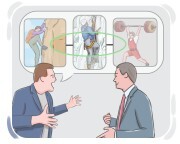
to bring up a topic or question for discussion
a aduce în discuție, a propune
Echipa a decis să pună în discuție ideea unui program de lucru flexibil în timpul următoarei întâlniri a personalului.

to encourage someone to do or say something
încuraja, stimula
to persuade someone to do what one wants by threatening them or giving them money
mitui, convinge prin amenințări sau bani
Funcționarul corupt a fost acuzat că a încercat să mituiască juriul oferindu-le mită.
to persuade and convince a person to do something
convinge, persuada
A reușit să-și convingă prietenul să participe la evenimentul caritabil.
to officially cancel a law, decision, agreement, etc.
anula, revoca
Consiliul revocă în prezent decizia anterioară datorită noilor dovezi.
to cause an agreement or relation to be breached
rupe, sparge
Descoperirea clauzelor ascunse în contract a rupt încrederea dintre cele două părți, ducând la dispute legale.
displaying a willingness to start an argument, fight, or war
belicos, războinic
Comportamentul belicos al bandelor rivale a dus la ciocniri frecvente în cartier.
persuasive in a gentle manner
convingător, măgulitor
A zâmbit măgulitor pentru a-l convinge să se alăture grupului.
serving as a clear sign or signal of something
indicativ, revelator
Norii întunecați care se adunau deasupra erau indicativi ai unei furtuni care se apropia.
eager to start a fight or argument
agresiv, combativ
Întotdeauna în căutarea unei cearte, comportamentul său agresiv i-a adus o reputație la birou.

suggested or understood without being verbally expressed
tacit, implicit
Au avut o recunoaștere tacită a abilităților celuilalt, ducând la o colaborare fără probleme.
unlikely to cause an argument
necontrovers, puțin probabil să provoace o dispută
Comitetul a luat o decizie necontroversată asupra căreia toți au fost de acord.
the act of officially abolishing or ending a law, agreement, etc.
abrogare, anulare
Abrogarea politicii învechite a fost întâmpinată cu o aprobare largă.
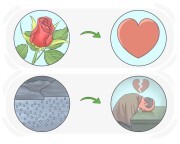
an idea, feeling, or meaning that is implied, suggested, or associated with a word or expression beyond its literal definition
conotație, subînțeles
words or actions meant to flatter or charm someone in order to persuade them to do something
linguseli, măguliri
Nicio cantitate de măguliri nu i-ar putea schimba părerea.
willingness to do what makes others pleased and accept their opinions
complăcere
Complacența diplomatului a ajutat la reducerea tensiunilor în timpul negocierilor.
a difference in interests, views, opinions, etc.
divergență
Există o clară divergență ideologică între facțiunile conservatoare și cele progresiste în ceea ce privește problemele sociale.
the action or process of trying very hard to persuade someone to do something
exhortare, încurajare
a loud, forceful, and emotional speech or lecture, intended to persuade or criticize
tiradă, discurs înfocat
Politicianul a ținut o tiradă împotriva corupției.
the wish to do or have something, especially something improper or foolish
ispită, dorință
În ciuda dietei ei stricte, ea a simțit o puternică ispite să se bucure de tortul bogat de ciocolată la petrecere.
the act of validating an agreement by signing it or voting for it
ratificare, validare
Ratificarea tratatului a fost finalizată după câteva luni de negocieri.
official approval or agreement
aprobare, acord
Modificările de politică propuse au primit aprobarea oficială a consiliului de administrație.
a situation in which all those involved are in complete agreement on something
unanimitate, acord unanim
Unanimitatea juriului a surprins mulți, având în vedere complexitatea cazului.
a loud, disorderly quarrel or brawl involving multiple people
o încăierare, o ceartă
O încăierare a izbucnit în afara stadionului după ce meciul s-a încheiat.
a difficult situation in which opposing parties cannot reach an agreement
impas, blocaj
Negocierile au ajuns într-un impas după ce ambele părți au refuzat să cedeze.
a division between a group of people caused by their disagreement over beliefs or views
schismă, diviziune
Un schism în partidul politic a cauzat o diviziune în conducere și politică.
a short, political argument, particularly between rivals
încleştare, ceartă
Soldații s-au angajat într-o scurtă încleștare cu forțele inamice înainte de a se retrage pentru a se regrupa.
a violent argument between two groups in which members of each side make attempts to murder the members of the opposing side in retaliation for things that occurred in the past
vendetă, răzbunare în sânge
Familiile fuseseră prinse într-o vendetă de generații, fiecare căutând răzbunare pentru nedreptățile trecutului.
