pattern

Advanced Vocabulary for TOEFL - Persuasion and Agreement

Here you will learn some English words about persuasion and agreement, such as "accede", "entice", "rupture", etc. that are needed for the TOEFL exam.

Review

Flashcards

Forms

Spelling

Quiz

Start learning
Advanced Words Needed for TOEFL
to acquiesce

to reluctantly accept something without protest
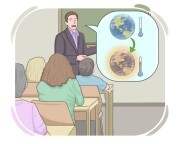
Ex: The student, unable to convince the teacher otherwise, acquiesced and accepted the lower grade on the assignment. 
Close
Sign in
to advance

to propose an idea or theory for discussion

Ex: During the team meeting, Sarah advanced a new marketing strategy to boost product visibility. 
Close
Sign in
to bespeak

to indicate or show something

Close
Sign in
to countenance

to agree and not oppose to something that one generally finds unacceptable or unpleasant

Ex: Despite his personal reservations, he decided to countenance the new policy to maintain harmony within the team. 
Close
Sign in
to demur
to demur
[Verb]

to express one's disagreement, refusal, or reluctance
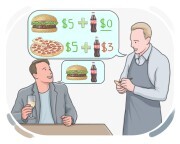
Ex: When asked to work overtime, Sarah demurred, citing family commitments. 
Close
Sign in
to entice
to entice
[Verb]

to make someone do something specific, often by offering something attractive

Ex: Advertisers hoped colorful displays would entice shoppers to browse their selection. 
Close
Sign in
to insinuate

to gradually move oneself or a thing into a particular place or position by elusive manipulation
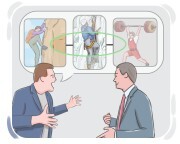
Ex: The politician insinuated her agenda into the committee's discussions without directly addressing it. 
Close
Sign in
to moot
to moot
[Verb]

to bring up a topic or question for discussion
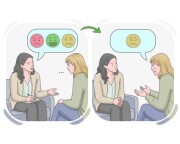
Ex: The team decided to moot the idea of a flexible work schedule during the next staff meeting. 
Close
Sign in
to prompt
to prompt
[Verb]

to encourage someone to do or say something

Ex: The teacher used thought-provoking questions to prompt students to participate actively in class discussions. 
Close
Sign in
to nobble
to nobble
[Verb]

to persuade someone to do what one wants by threatening them or giving them money

Ex: The corrupt official was accused of attempting to nobble the jury by offering them bribes. 
Close
Sign in
to prevail on

to persuade and convince a person to do something

Ex: She managed to prevail on her friend to join the charity event. 
Close
Sign in
to rescind

to officially cancel a law, decision, agreement, etc.

Ex: The board is currently rescinding the previous decision due to new evidence. 
Close
Sign in
to rupture

to cause an agreement or relation to be breached

Ex: The discovery of hidden clauses in the contract ruptured the trust between the two parties, leading to legal disputes. 
Close
Sign in
bellicose
bellicose
[Adjective]

displaying a willingness to start an argument, fight, or war

Ex: The bellicose behavior of the rival gangs led to frequent clashes in the neighborhood. 
Close
Sign in
coaxing
coaxing
[Adjective]

persuasive in a gentle manner

Ex: She gave a coaxing smile to persuade him to join the group. 
Close
Sign in
indicative
indicative
[Adjective]

serving as a clear sign or signal of something

Ex: Her high test scores were indicative of her academic prowess. 
Close
Sign in
pugnacious
pugnacious
[Adjective]

eager to start a fight or argument

Ex: Always looking for a fight, his pugnacious behavior earned him a reputation in the office. 
Close
Sign in
tacit
tacit
[Adjective]

suggested or understood without being verbally expressed

Ex: His tacit approval was evident from his nod, even though he said nothing. 
Close
Sign in
uncontentious
uncontentious
[Adjective]

unlikely to cause an argument

Ex: The committee reached an uncontentious decision that everyone agreed upon. 
Close
Sign in
abrogation

the act of officially abolishing or ending a law, agreement, etc.
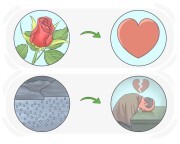
Ex: The abrogation of the outdated policy was met with widespread approval. 
Close
Sign in
connotation

an idea, feeling, or meaning that is implied, suggested, or associated with a word or expression beyond its literal definition

Ex: "Home" has connotations of warmth and security. 
Close
Sign in
blandishments

words or actions meant to flatter or charm someone in order to persuade them to do something

Ex: No amount of blandishments could change her mind. 
Close
Sign in
complaisance

willingness to do what makes others pleased and accept their opinions

Ex: The diplomat's complaisance helped ease tensions during the negotiations. 
Close
Sign in
divergence

a difference in interests, views, opinions, etc.

Ex: The political candidates showed a clear divergence in their views on healthcare. 
Close
Sign in
exhortation

the action or process of trying very hard to persuade someone to do something

Close
Sign in
harangue
harangue
[noun]

a loud, forceful, and emotional speech or lecture, intended to persuade or criticize

Ex: The politician delivered a harangue against corruption. 
Close
Sign in
temptation

the wish to do or have something, especially something improper or foolish

Ex: Despite her strict diet, she felt a strong temptation to indulge in the rich chocolate cake at the party. 
Close
Sign in
ratification

the act of validating an agreement by signing it or voting for it

Ex: The treaty's ratification was completed after several months of negotiations. 
Close
Sign in
approbation

official approval or agreement

Ex: The proposed policy changes received official approbation from the board of directors. 
Close
Sign in
unanimity
unanimity
[noun]

a situation in which all those involved are in complete agreement on something

Ex: The unanimity of the jury surprised many, given the complexity of the case. 
Close
Sign in
feuding
feuding
[noun]

sharp disagreements between people that last for a long time

Close
Sign in
fray
fray
[noun]

a loud, disorderly quarrel or brawl involving multiple people

Ex: A fray erupted outside the stadium after the match ended. 
Close
Sign in
impasse
impasse
[noun]

a difficult situation in which opposing parties cannot reach an agreement

Ex: Negotiations reached an impasse after both sides refused to budge. 
Close
Sign in
schism
schism
[noun]

a division between a group of people caused by their disagreement over beliefs or views

Ex: A schism in the political party caused a split in leadership and policy. 
Close
Sign in
skirmish
skirmish
[noun]

a short, political argument, particularly between rivals

Ex: The soldiers engaged in a brief skirmish with enemy forces before retreating to regroup. 
Close
Sign in
vendetta
vendetta
[noun]

a violent argument between two groups in which members of each side make attempts to murder the members of the opposing side in retaliation for things that occurred in the past

Ex: The families had been embroiled in a vendetta for generations, each seeking revenge for past wrongs. 
Close
Sign in
LanGeek
Download LanGeek app