pattern

Книга Interchange - Начальный - Блок 1

Здесь вы найдете словарь из Раздела 1 учебника Interchange Beginner, такие как "имя", "что", "извините" и т.д.

Обзор

Флэш-карточки

Правописание

Тест

Начать учиться
Interchange - Beginner
title
title
[существительное]

a name that is used to describe someone's position or status

титул, звание

титул, звание

Ex: After years of hard work, she was given the title "Senior Engineer." 

После многих лет упорного труда ей было присвоено звание старшего инженера.
Закрыть
Войти
what
what
[местоимение]

used in questions to ask for information or for someone’s opinion

что

что

Ex: What is the capital of France? 

Что является столицей Франции?

Закрыть
Войти
name
name
[существительное]

the word we call a person or thing

имя

имя

Ex: What's your name? 
Закрыть
Войти
hello
hello
[междометие]

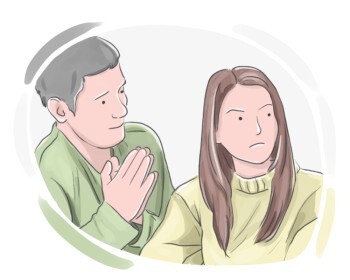
a word we say when we meet someone or answer the phone

здравствуйте

здравствуйте

Ex: Hello, I am the new student and my name is Sarah. 

Привет, я новый студент, и меня зовут Сара.
Закрыть
Войти
sorry
sorry
[междометие]

a word we use to say we feel bad about something

извините

извините

Ex: Sorry, I forgot to bring my umbrella. 

Извините, я забыл взять зонт.

Закрыть
Войти
first name
first name
[существительное]

the name we were given at birth that comes before our last name

имя

имя

Ex: Her first name is Sarah, but she prefers to be called by her nickname. 

Её имя — Сара, но она предпочитает, чтобы её называли по прозвищу.

Закрыть
Войти
last name
last name
[существительное]

the name we share with our family, parents, or siblings

фамилия

фамилия

Ex: In many cultures, the last name is passed down from the father's side of the family. 

Во многих культурах фамилия передается по отцовской линии семьи.

Закрыть
Войти
nickname
nickname
[существительное]

a familiar or humorous name given to someone that is connected with their real name, appearance, or with something they have done

прозвище, псевдоним

прозвище, псевдоним

Ex: His friends call him "Speedy" because of how fast he runs. 

Его друзья называют его "Speedy" из-за того, как быстро он бегает. Прозвище

Закрыть
Войти
my
my
[определитель]

(first-person singular possessive determiner) of or belonging to the speaker or writer

мой

мой

Ex: This is my house. 

Это мой дом.

Закрыть
Войти
your
your
[определитель]

(second-person possessive determiner) of or belonging to the person or people being spoken or written to

ваш

ваш

Ex: Is this your backpack? 

Это твой рюкзак?

Закрыть
Войти
his
his
[определитель]

(third-person singular possessive determiner) of or belonging to a man or boy who has already been mentioned or is easy to identify

его

его

Ex: John wore his favorite hat to the party. 

Джон надел свою любимую шляпу на вечеринку.

Закрыть
Войти
her
her
[определитель]

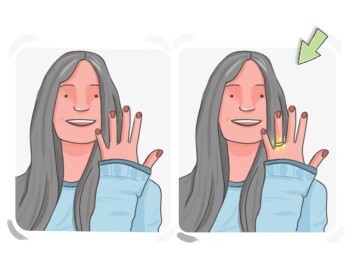
(third-person singular possessive determiner) of or belonging to a female human or animal that was previously mentioned or one that is easy to identify

её

её

Ex: She put on her coat before leaving the house. 

Она надела своё пальто перед тем, как выйти из дома.
Закрыть
Войти
Mrs
Mrs
[существительное]

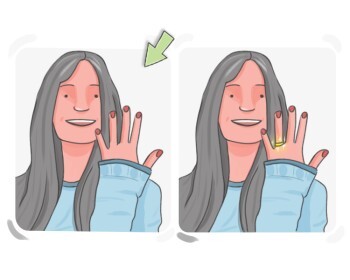
a formal title for a married woman

госпожа

госпожа

Ex: I spoke to Mrs. Brown after the meeting. 
Закрыть
Войти
Ms
Ms
[существительное]

a title used before a woman's surname or full name as a form of address without indicating her marital status

госпожа

госпожа

Ex: Ms. Smith will be speaking at the conference tomorrow. 

Г-жа Смит будет выступать на конференции завтра.
Закрыть
Войти
miss
miss
[существительное]

a formal title for an unmarried woman

госпожа

госпожа

Ex: Please ask Miss Lee to come to the office. 
Закрыть
Войти
great
great
[прилагательное]

exceptionally large in degree or amount

великий

великий

Ex: She showed great patience with the children. 
Закрыть
Войти
thanks
thanks
[междометие]

a short way to say thank you

спасибо

спасибо

Ex: Thanks for the help! 

Спасибо за помощь!

Закрыть
Войти
how about
how about
[фраза]

used to inquire information about someone or something

как ?
как ?

Ex: How about going for a walk after dinner? 
Закрыть
Войти
good morning
good morning
[междометие]

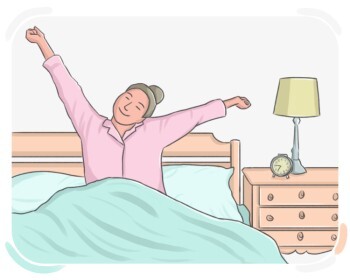
what we say to greet someone in the morning

доброе утро

доброе утро

Ex: Good morning, it's a beautiful day today! 

Доброе утро, сегодня прекрасный день!

Закрыть
Войти
fine
fine
[прилагательное]

feeling well or in good health

хорошо, feeling OK or good

хорошо, feeling OK or good

Ex: I felt sick yesterday, but I'm fine now. 
Закрыть
Войти
thank you
thank you
[междометие]

what we say to show we are happy for something someone did

спасибо

спасибо

Ex: Thank you for being there when I needed someone. 

Спасибо, что были рядом, когда мне нужен был кто-то.

Закрыть
Войти
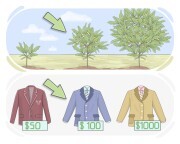
good afternoon
good afternoon
[междометие]

what we say to greet or say goodbye in the afternoon

добрый день

добрый день

Ex: Good afternoon, have you finished your work for today? 

Добрый день, вы закончили свою работу на сегодня?
Закрыть
Войти
pretty
pretty
[наречие]

to a degree that is high but not very high

довольно

довольно

Ex: The movie was pretty good, though the ending felt rushed. 

Фильм был довольно хорошим, хотя концовка показалась поспешной.

Закрыть
Войти
good
good
[прилагательное]

having a quality that is satisfying

хороший

хороший

Ex: She has a good memory and can remember details easily. 

У нее хорошая память, и она может легко запоминать детали.

Закрыть
Войти
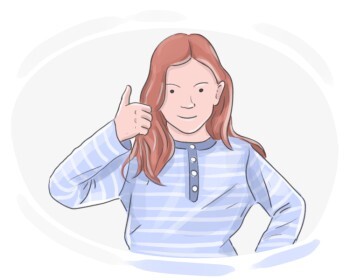
good evening
good evening
[междометие]

what we say to greet or say goodbye in the evening

Добрый вечер

Добрый вечер

Ex: Good evening, I hope you had a pleasant day. 

Добрый вечер, надеюсь, у вас был приятный день.
Закрыть
Войти
OK
OK
[прилагательное]

having an acceptable or desirable quality or level

приятный

приятный

Ex: Is it OK if I borrow your car for the weekend? 

Ничего, если я возьму твою машину на выходные?

Закрыть
Войти
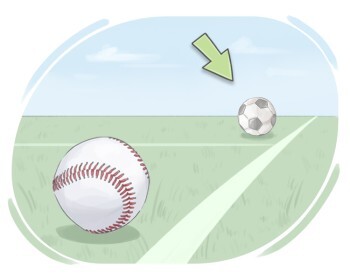
excuse me
excuse me
[междометие]

said before asking someone a question, as a way of politely getting their attention

извините меня, Простите меня

извините меня, Простите меня

Ex: Excuse me, could you help me with this? 

Извините, не могли бы вы помочь мне с этим?
Закрыть
Войти
there
there
[наречие]

at a place that is not where the speaker is

там

там

Ex: Your keys are there on the counter. 

Ваши ключи там на стойке.

Закрыть
Войти
I
I
[местоимение]

(subjective first-person singular pronoun) used by the speaker to refer to themselves when they are the subject of the sentence

Я

Я

Ex: I live near the city center. 
Закрыть
Войти
you
you
[местоимение]

(second-person pronoun) used for referring to the one or the people we are writing or talking to

ты, вы

ты, вы

Ex: You look tired today. 
Закрыть
Войти
she
she
[местоимение]

(subjective third-person singular pronoun) used when referring to a female human or animal that was already mentioned or one that is easy to identify

она

она

Ex: She is studying medicine at the university. 

Она изучает медицину в университете.

Закрыть
Войти
this
this
[местоимение]

used when referring to a person or thing that was recently mentioned or one that is close in space or time

этот

этот

Ex: I saw a book on the table; this was the one I wanted to read. 

Я увидел книгу на столе; эта была той, которую я хотел прочитать.

Закрыть
Войти
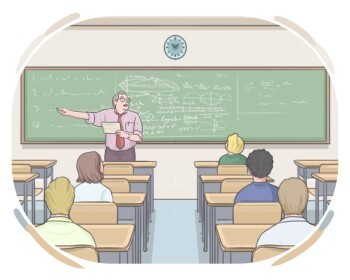
book
book
[существительное]

a set of printed pages that are held together in a cover so that we can turn them and read them

книга
книга

Ex: She borrowed a book from the library. 
Закрыть
Войти
class
class
[существительное]

students as a whole that are taught together

класс

класс

Ex: The whole class worked quietly on the assignment. 
Закрыть
Войти
right
right
[междометие]

used to show one's agreement

все права, ладно

все права, ладно

Ex: "We should start the meeting now."  "Right, let's get going." 

«Мы должны начать встречу сейчас.» Верно, давайте приступим.
Закрыть
Войти
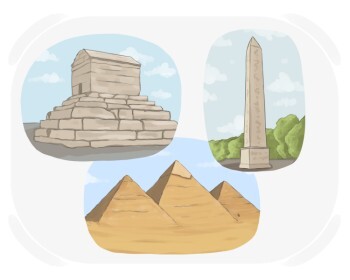
history
history
[существительное]

the study of past events, especially as a subject in school or university

история

история

Ex: History was my favorite subject at school. 
Закрыть
Войти
zero
zero
[числительное]

the number 0

ноль

ноль

Ex: I have zero dollars in my wallet. 

У меня ноль долларов в кошельке.

Закрыть
Войти
one
one
[числительное]

the number 1

один

один

Ex: She bought one ticket for the concert. 
Закрыть
Войти
two
two
[числительное]

the number 2

два

два

Ex: I need to make two copies of this document. 

Мне нужно сделать две копии этого документа.

Закрыть
Войти
three
three
[числительное]

the number 3

три

три

Ex: I counted to three before jumping into the pool. 

Я досчитал до трёх перед тем, как прыгнуть в бассейн.

Закрыть
Войти
four
four
[числительное]

the number 4

четыре

четыре

Ex: There are four seasons in a year: spring, summer, autumn, and winter. 

В году четыре времени года: весна, лето, осень и зима.

Закрыть
Войти
five
five
[числительное]

the number 5

пять

пять

Ex: His favorite number was five, and he always wore a shirt with the number on it to sports games. 

Его любимое число было пять, и он всегда носил футболку с этим номером на спортивных играх.

Закрыть
Войти
six
six
[числительное]

the number 6

шесть

шесть

Ex: The highest number you can roll on a single die is six. 

Самое большое число, которое вы можете выбросить на одном кубике, — это шесть.

Закрыть
Войти
seven
seven
[числительное]

the number 7

семь

семь

Ex: His lucky number is seven, and he always wears a necklace with a seven pendant. 

Его счастливое число — семь, и он всегда носит ожерелье с подвеской в виде семёрки.

Закрыть
Войти
eight
eight
[числительное]

the number 8

восемь

восемь

Ex: The recipe called for eight ounces of flour, which is about one cup. 

В рецепте требовалось восемь унций муки, что составляет примерно одну чашку.

Закрыть
Войти
nine
nine
[числительное]

the number 9

девять

девять

Ex: The baseball team has nine players on the field at a time. 

В бейсбольной команде на поле одновременно находится девять игроков.

Закрыть
Войти
ten
ten
[числительное]

the number 10

десять

десять

Ex: The soccer team has ten players on the field at a time. 

В футбольной команде на поле одновременно находится десять игроков.
Закрыть
Войти
bye
bye
[междометие]

a short way to say goodbye

пока

пока

Ex: Bye! Have a great day! 

Пока! Хорошего дня!

Закрыть
Войти
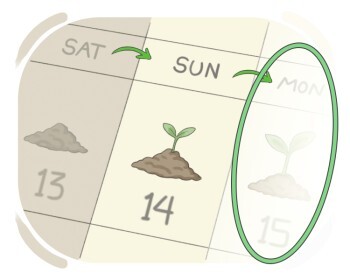
tomorrow
tomorrow
[существительное]

the day that will come after today ends

завтра

завтра

Ex: We have an important presentation scheduled for tomorrow. 

У нас запланирована важная презентация на завтра.
Закрыть
Войти
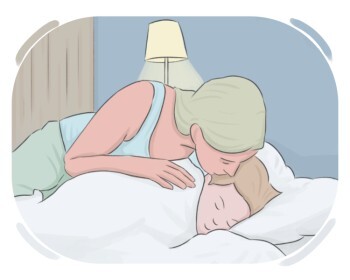
good night
good night
[междометие]

what we say before going to sleep or leaving at night

спокойной ночи

спокойной ночи

Ex: Good night, don't forget to brush your teeth before bed. 

Спокойной ночи, не забудь почистить зубы перед сном.
Закрыть
Войти
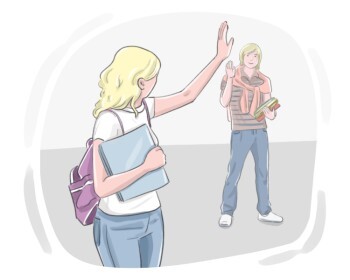
goodbye
goodbye
[междометие]

a word we say when we leave or end a phone call

до свидания

до свидания

Ex: Goodbye, I hope to see you again. 

До свидания, я надеюсь увидеть вас снова.
Закрыть
Войти
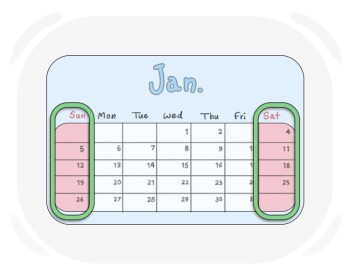
weekend
weekend
[существительное]

the days of the week, usually Saturday and Sunday, when people do not have to go to work or school

выходной день

выходной день

Ex: I like to sleep in and have a late breakfast on the weekends. 

Мне нравится поспать подольше и поздно позавтракать на выходных.

Закрыть
Войти
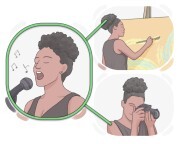
to have
to have
[глагол]

to undergo or experience something

проводить

проводить

Ex: I'm sorry to inform you that your daughter has had a minor car accident. 

Мне жаль сообщать вам, что ваша дочь попала в небольшую автомобильную аварию.
Закрыть
Войти
too
too
[наречие]

used to show that a statement about one thing or person also applies to another

тоже

тоже

Ex: She loves classical music, and her sister does too. 

Она любит классическую музыку, и ее сестра тоже.
Закрыть
Войти
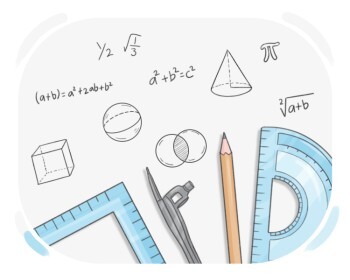
mathematics
mathematics
[существительное]

the study of numbers and shapes that involves calculation and description

математика

математика

Ex: Can you explain this math concept to me? 

Можете объяснить мне этот концепт математики?
Закрыть
Войти
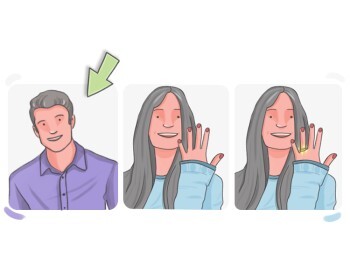
Mr
Mr
[существительное]

a formal title for a man

господин

господин

Ex: I spoke to Mr. Johnson about the problem. 
Закрыть
Войти
LanGeek
Скачать приложение LanGeek