pattern

کتاب 'اینترچنج' مبتدی - واحد 1

در اینجا واژگان از واحد 1 در کتاب درسی Interchange Beginner را پیدا خواهید کرد، مانند "نام"، "چه"، "متاسفم"، و غیره.

مرور

فلش‌کارت‌ها

املای کلمه

آزمون

شروع یادگیری
Interchange - Beginner
title
title
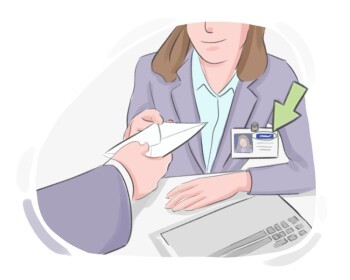
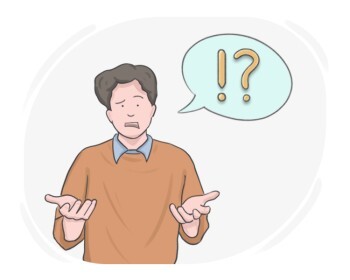
[اسم]

a name that is used to describe someone's position or status

عنوان
عنوان

Ex: His official title is Director of Operations. 
بستن
ورود
what
what
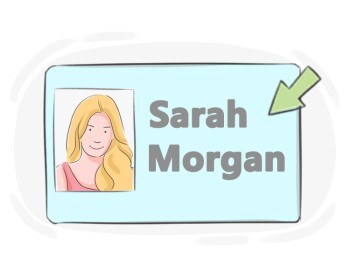
[ضمیر]

used in questions to ask for information or for someone's opinion

چی, چه
چی, چه

Ex: What is your opinion on the matter? 
بستن
ورود
name
name
[اسم]

the word we call a person or thing

نام, اسم

نام, اسم

Ex: What's your name? 
بستن
ورود
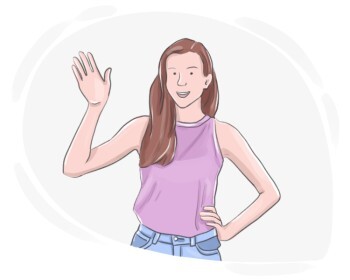
hello
hello
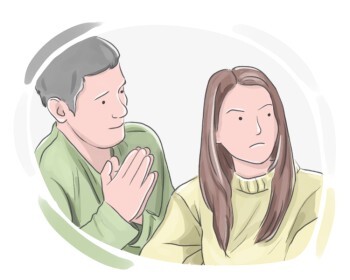
[حرف ندا]

a word we say when we meet someone or answer the phone

سلام
سلام

Ex: Hello, it's good to see you again. 
بستن
ورود
sorry
sorry
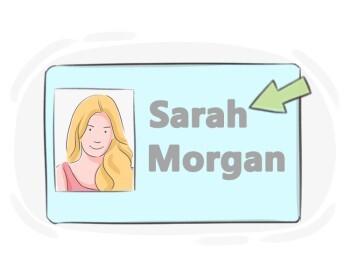
[حرف ندا]

a word we use to say we feel bad about something

متأسفم
متأسفم

Ex: Sorry, I didn't mean to interrupt you. 
بستن
ورود
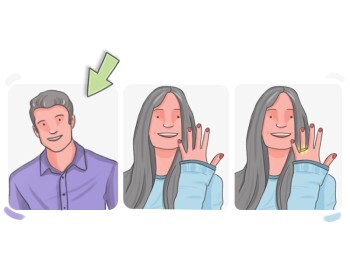
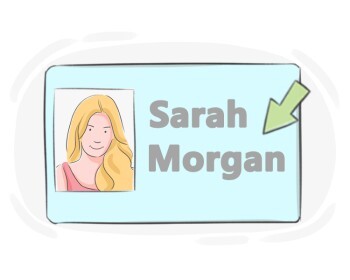
first name
first name
[اسم]

the name we were given at birth that comes before our last name

نام کوچک

نام کوچک

Ex: Please write your first name and last name on the application form. 

لطفاً نام و نام خانوادگی خود را در فرم درخواست بنویسید.
بستن
ورود
last name
last name
[اسم]

the name we share with our family, parents, or siblings

نام‌ خانوادگی, فامیلی

نام‌ خانوادگی, فامیلی

Ex: My friend's last name is difficult to pronounce, so she often uses a nickname instead. 
بستن
ورود
nickname
nickname
[اسم]

a familiar or humorous name given to someone that is connected with their real name, appearance, or with something they have done

لقب, نام مستعار

لقب, نام مستعار

Ex: She earned the nickname "Smarty" due to her academic excellence. 

او به دلیل برتری تحصیلی خود لقب "Smarty" را کسب کرد.
بستن
ورود
my
my
[تخصیص‌گر]

(first-person singular possessive determiner) of or belonging to the speaker or writer

مال من

مال من

Ex: My cat is sleeping on the couch. 

گربه‌ی من روی مبل خوابیده است.

بستن
ورود
your
your
[تخصیص‌گر]

(second-person possessive determiner) of or belonging to the person or people being spoken or written to

مال تو, مال شما (برای نشان دادن احترام)

مال تو, مال شما (برای نشان دادن احترام)

Ex: Please remember to bring your ID card with you. 

لطفاً به خاطر داشته باشید که کارت شناسایی خود را همراه داشته باشید.
بستن
ورود
his
his
[تخصیص‌گر]

(third-person singular possessive determiner) of or belonging to a man or boy who has already been mentioned or is easy to identify

مالِ او (مرد)

مالِ او (مرد)

Ex: The teacher praised Peter for his excellent presentation. 

معلم از پیتر به خاطر ارائه عالی او تقدیر کرد.
بستن
ورود
her
her
[تخصیص‌گر]

(third-person singular possessive determiner) of or belonging to a female human or animal that was previously mentioned or one that is easy to identify

مال او (زن)

مال او (زن)

Ex: The dog wagged her tail happily. 

سگ دمش را با خوشحالی تکان داد.

بستن
ورود
Mrs
Mrs
[اسم]

a formal title for a married woman

خانم

خانم

Ex: I spoke to Mrs. Brown after the meeting. 
بستن
ورود
Ms
Ms
[اسم]

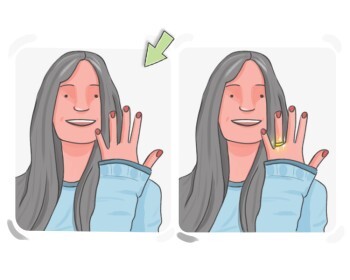
a title used before a woman's surname or full name as a form of address without indicating her marital status

خانم

خانم

Ex: Please send the email to Ms. Johnson at her office. 

لطفاً ایمیل را به خانم جانسون در دفترش ارسال کنید.
بستن
ورود
miss
miss
[اسم]

a formal title for an unmarried woman

خانم

خانم

Ex: Please ask Miss Lee to come to the office. 
بستن
ورود
great
great
[صفت]

exceptionally large in degree or amount

بزرگ‌, بیشتر

بزرگ‌, بیشتر

Ex: She showed great patience with the children. 
بستن
ورود
thanks
thanks
[حرف ندا]

a short way to say thank you

ممنون, متشکرم

ممنون, متشکرم

Ex: Thanks, I really appreciate it. 
بستن
ورود
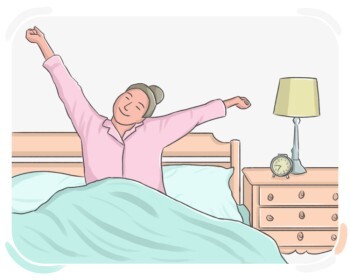
how about
how about
[عبارت]

used to inquire information about someone or something

چطوره؟, چی؟
چطوره؟, چی؟

Ex: How about joining us for the party on Friday? 
بستن
ورود
good morning
good morning
[حرف ندا]

what we say to greet someone in the morning

صبح به‌خیر

صبح به‌خیر

Ex: Good morning!  How did you sleep? 
بستن
ورود
fine
fine
[صفت]

feeling well or in good health

خوب, feeling OK or good

خوب, feeling OK or good

Ex: I felt sick yesterday, but I'm fine now. 
بستن
ورود
thank you
thank you
[حرف ندا]

what we say to show we are happy for something someone did

متشکرم, ممنونم

متشکرم, ممنونم

Ex: Thank you for the delicious meal! 
بستن
ورود
good afternoon
good afternoon
[حرف ندا]

what we say to greet or say goodbye in the afternoon

بعدازظهر به‌خیر

بعدازظهر به‌خیر

Ex: Good afternoon, I hope you're enjoying your day so far. 
بستن
ورود
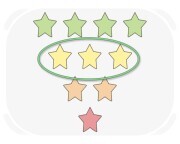
pretty
pretty
[قید]

to a degree that is high but not very high

نسبتاً, تقریباً
نسبتاً, تقریباً

Ex: I'm pretty tired after the long trip. 
بستن
ورود
good
good
[صفت]

having a quality that is satisfying

خوب, مناسب

خوب, مناسب

Ex: The cake tasted so good that everyone wanted a second slice. 
بستن
ورود
good evening
good evening
[حرف ندا]

what we say to greet or say goodbye in the evening

عصر به‌خیر

عصر به‌خیر

Ex: Good evening, it's getting dark outside. 
بستن
ورود
OK
OK
[صفت]

acceptable, suitable, or permitted

قابل قبول, مناسب

قابل قبول, مناسب

Ex: This room is OK for the meeting. 
بستن
ورود
excuse me
excuse me
[حرف ندا]

said before asking someone a question, as a way of politely getting their attention

میبخشید..., معذرت میخواهم...

میبخشید..., معذرت میخواهم...

Ex: Excuse me, where is the nearest bus stop? 

ببخشید, نزدیک‌ترین ایستگاه اتوبوس کجاست؟

بستن
ورود
there
there
[قید]

at a place that is not where the speaker is

آنجا, به آنجا

آنجا, به آنجا

Ex: Stand there by the door, please. 
بستن
ورود
I
I
[ضمیر]

used by a speaker or writer to refer to themselves as the subject of a verb

من

من

Ex: I live near the city center. 
بستن
ورود
you
you
[ضمیر]

(second-person pronoun) used for referring to the one or the people we are writing or talking to

تو, شما

تو, شما

Ex: You look tired today. 
بستن
ورود
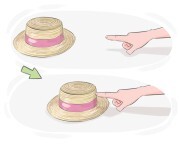
she
she
[ضمیر]

(subjective third-person singular pronoun) used when referring to a female human or animal that was already mentioned or one that is easy to identify

او (زن)
او (زن)

Ex: She enjoys spending her weekends gardening in her backyard. 
بستن
ورود
this
this
[ضمیر]

used when referring to a person or thing that was recently mentioned or one that is close in space or time

این

این

Ex: Cooking requires careful attention to detail; this is especially important when baking. 

پخت و پز نیاز به توجه دقیق به جزئیات دارد؛ این به ویژه هنگام پخت مهم است.
بستن
ورود
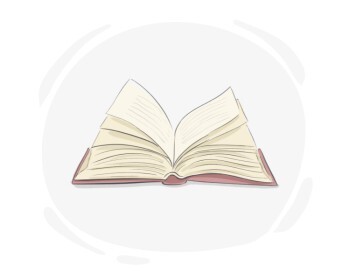
book
book
[اسم]

a set of printed pages that are held together in a cover so that we can turn them and read them

کتاب
کتاب

Ex: She borrowed a book from the library. 
بستن
ورود
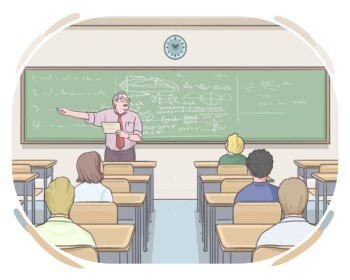
class
class
[اسم]

students as a whole that are taught together

کلاس

کلاس

Ex: The whole class worked quietly on the assignment. 
بستن
ورود
right
right
[حرف ندا]

used to show one's agreement

باشه, چشم
باشه, چشم

Ex: "This approach seems effective."  "Right, I agree with that." 
بستن
ورود
history
history
[اسم]

the study of past events, especially as a subject in school or university

تاریخ (درس)
تاریخ (درس)

Ex: History was my favorite subject at school. 
بستن
ورود
zero
zero
[عدد]

the number 0

صفر

صفر

Ex: I have zero siblings. 
بستن
ورود
one
one
[عدد]

the number 1

یک

یک

Ex: She bought one ticket for the concert. 
بستن
ورود
two
two
[عدد]

the number 2

دو

دو

Ex: The twins have two bicycles. 
بستن
ورود
three
three
[عدد]

the number 3

سه

سه

Ex: My cousin has three siblings; two sisters and one brother. 
بستن
ورود
four
four
[عدد]

the number 4

چهار

چهار

Ex: There are four chairs around the dining table. 
بستن
ورود
five
five
[عدد]

the number 5

پنج

پنج

Ex: She drew a picture of a hand with five fingers. 
بستن
ورود
six
six
[عدد]

the number 6

شش

شش

Ex: There are six colorful crayons in the box. 
بستن
ورود
seven
seven
[عدد]

the number 7

هفت

هفت

Ex: The recipe called for seven ingredients. 
بستن
ورود
eight
eight
[عدد]

the number 8

هشت

هشت

Ex: There are eight crayons in the box. 
بستن
ورود
nine
nine
[عدد]

the number 9

نه

نه

Ex: Look at the nine birds perched on the tree. 
بستن
ورود
ten
ten
[عدد]

the number 10

ده

ده

Ex: There are ten fingers on two hands. 
بستن
ورود
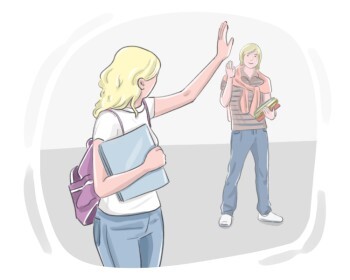
bye
bye
[حرف ندا]

used as an informal way of saying goodbye

خداحافظ, بای

خداحافظ, بای

Ex: Daniel waved and said, "Bye!" 
بستن
ورود
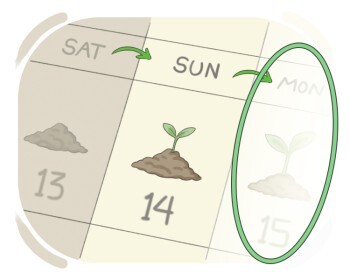
tomorrow
tomorrow
[اسم]

the day that will come after today ends

فردا

فردا

Ex: Tomorrow will be a busy day. 
بستن
ورود
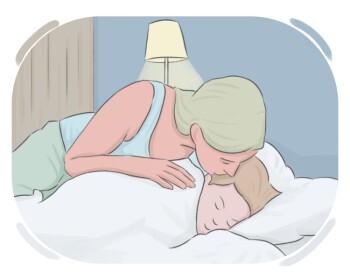
good night
good night
[حرف ندا]

what we say before going to sleep or leaving at night

شب به‌خیر

شب به‌خیر

Ex: Good night, it's time to say goodbye to the day. 
بستن
ورود
goodbye
goodbye
[حرف ندا]

a word we say when we leave or end a phone call

خداحافظ, خدانگهدار
خداحافظ, خدانگهدار

Ex: Goodbye, take care of yourself. 
بستن
ورود
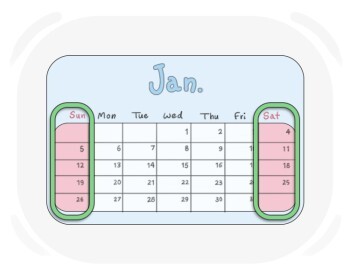
weekend
weekend
[اسم]

the days of the week, usually Saturday and Sunday, when people do not have to go to work or school

آخر هفته

آخر هفته

Ex: I like to sleep in and have a late breakfast on the weekend. 
بستن
ورود
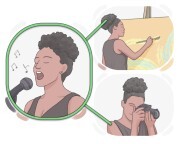
to have
to have
[فعل]

to undergo or experience something

چیزی را داشتن یا تجربه کردن, گذشتن (خوش یا بد)، کردن (تصادف)
چیزی را داشتن یا تجربه کردن, گذشتن (خوش یا بد)، کردن (تصادف)

Ex: They had difficulties adjusting to the new city. 
بستن
ورود
too
too
[قید]

used to show that a statement about one thing or person also applies to another

همچنین, هم
همچنین, هم

Ex: They arrived late, and we did too. 
بستن
ورود
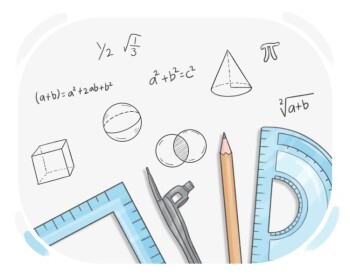
mathematics
mathematics
[اسم]

the study of numbers and shapes that involves calculation and description

ریاضی

ریاضی

Ex: She asks her teacher for extra math practice worksheets. 

او از معلم خود برگه‌های تمرین اضافی ریاضی می‌خواهد.

بستن
ورود
Mr
Mr
[اسم]

a formal title for a man

آقا

آقا

Ex: I spoke to Mr. Johnson about the problem. 
بستن
ورود
LanGeek
دانلود اپلیکشن LanGeek