
Cambridge IELTS 19 - Академический - Тест 4 - Чтение - Отрывок 3 (4)
Здесь вы можете найти словарный запас из Теста 4 - Чтение - Отрывок 3 (4) в учебнике Cambridge IELTS 19 - Academic, чтобы помочь вам подготовиться к экзамену IELTS.
Обзор
Флэш-карточки
формы
Правописание
Тест

to provide detailed and clear information or explanations, often in a written format

излагать, подробно описывать
Она изложила план в подробном отчете, описав каждый шаг.

a mental disposition or attitude that favors one option over others
склонность

having an excessive and intense desire for something, especially wealth, possessions, or power
жадный
Жадный бизнесмен эксплуатировал своих сотрудников ради прибыли, заботясь только о увеличении собственного богатства.
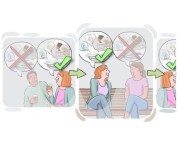
to have a specific opinion or belief about someone or something
придерживаться мнения
Я придерживаюсь твёрдых политических убеждений относительно охраны окружающей среды.

a strong feeling of certainty that something or someone exists or is true; a strong feeling that something or someone is right or good
вера, убеждение
Его вера в справедливость и равенство направляла его действия на протяжении всей его карьеры.
the way a person acts or behaves toward others
манера
У нее спокойная манера, которая всех успокаивает.
the attraction and allure that makes one interesting
привлекательность
Привлекательность фильма заключается в его мощном сюжете.
to have its foundation in something, indicating the underlying cause, source, or essence
заключаться, находиться
Очарование маленького городка заключается в его сплоченном сообществе и гостеприимной атмосфере.
(of actions, ideas, etc.) very new and different from the norm
радикальный
Учёный предложил радикальную теорию, которая бросила вызов устоявшимся убеждениям.
as a result of a specific cause or reason
из-за
Задержка рейса была из-за густого тумана в аэропорту.

to present or propose something to someone
предлагать, предложить
to show or give something to others for inspection, consideration, or approval
представлять, показывать
Она представила доказательства присяжным, надеясь на благоприятный вердикт.
used to convey that someone or something is conforming to a particular standard, guideline, or expectation
В согласии
Решение компании о повышении зарплат сотрудников соответствует ее обязательствам по справедливой практике вознаграждения.
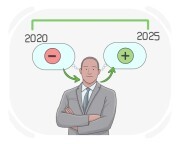
the typical way a person thinks or feels about something or someone, often affecting their behavior and decisions
отношение
Её позитивное отношение к вызовам помогло ей преодолеть препятствия и достичь своих целей.
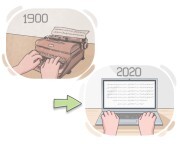
(of ideas, products, etc.) creative and unlike anything else that exists
инновационный
Компания известна разработкой инновационных решений для распространенных экологических проблем.
a way of doing something or dealing with a problem
подход, метод
Подход учителя к дисциплине сосредоточен на положительном подкреплении.

a methodical examination of the whole structure of something and the relation between its components
анализ
Финансовый анализ выявил сильные и слабые стороны бюджета компании.
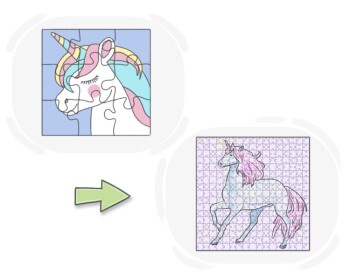
not easy to understand or analyze
сложный
Человеческий мозг невероятно сложен, его функции до сих пор полностью не изучены.
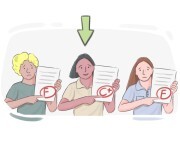
to a specific degree, particularly when compared to other similar things
относительно
Тест был относительно легким по сравнению с предыдущим.

available in large quantity
обильный, изобилующий
В лесу ягоды были в изобилии, обеспечивая пищу для многих животных.
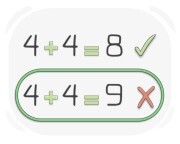
not precise or correct
неправильный
Его описание инцидента было неточным, так как он упустил несколько ключевых деталей.

before the present moment or a specific time
раньше
Она ранее работала в другой компании, прежде чем присоединиться к нынешней.
to mention something or someone particularly in speech or writing
упоминать, ссылаться на
Обсуждая проект, менеджер упомянул конкретные вехи, которых необходимо было достичь.
(of a place or building) far away from any other place, building, or person
изолированный
Уединённый домик в горах предлагал уединение и спокойствие.
to show a particular trait or behavior prominently
показывать, проявлять
Спортсмен проявляет решительность, никогда не сдаваясь, даже перед лицом трудностей.

to share something between a large number of people
распределять
Благотворительная организация каждую неделю распределяет еду среди нуждающихся семей.
in a manner that is free from bias, favoritism, or injustice
справедливо
Учитель справедливо оценил экзамены.

following the principles of wrong and right and behaving based on the ethical standards of a society
высоконравственный
Моральный лидер всегда ставил честность и справедливость во главу угла при принятии решений, подавая положительный пример для подражания.
to make use of something for a particular purpose
нанимать
Учитель использовал наглядные пособия, чтобы сделать урок более увлекательным.

a way of behaving or of doing something that is widely accepted in a society or among a specific group of people
обычай
Обычай — это традиция в Японии снимать обувь перед входом в дом.
used to indicate the means or method by which something is achieved or brought about
посредством которого, благодаря которому
Компания представила программу вознаграждений, в рамках которой клиенты зарабатывают баллы за каждую покупку.
formal approval, acknowledgment, or commendation
признание, заслуга
Она получила признание за свою инновационную идею.

to cause someone suffering for breaking the law or having done something they should not have
наказывать
Политика компании обычно определяет последствия для наказания сотрудников за неэтичное поведение на рабочем месте.
to force someone to leave or remove them from a place, group, or situation
исключать, удалять
Учителю пришлось исключить нарушающего порядок ученика из класса.

large in quantity, extent, or degree
значительный
Проект требовал значительного объема финансирования, чтобы покрыть все расходы и обеспечить его успех.
in relation to or concerning someone or something
относительно, по поводу
Он отправил мне электронное письмо относительно повестки дня встречи.
(of a person) wrong in one's judgment, opinion, or belief
ошибочный
Она ошиблась насчет даты мероприятия и пропустила его.

a condition that causes a person or thing to be more successful compared to others
преимущество
Его опыт в цифровом маркетинге дал ему значительное преимущество перед другими соискателями.

characterized by a willingness and ability to work harmoniously with others
кооперативный
Она всегда сотрудничает во время групповых заданий.

to make information that was previously unknown or kept in secrecy publicly known
раскрывать, обнародовать
В своих мемуарах автор смело раскрыла свою борьбу с психическим заболеванием.
a relationship or connection between two or more things or people
связь, отношение
Расследование выявило связь между двумя подозреваемыми.
the process of gradually coming into existence
появление
Появление цифровой эпохи ознаменовало революционный сдвиг в том, как информация доступна и распространяется.

behaving in an angry way and having a tendency to be violent
агрессивный
Он стал агрессивным во время споров, повышая голос и делая угрожающие жесты.
| Cambridge IELTS 19 - Академический | |||
|---|---|---|---|
| Тест 4 - Чтение - Отрывок 2 (2) | Тест 4 - Чтение - Отрывок 2 (3) | Тест 4 - Чтение - Отрывок 2 (4) | Тест 4 - Чтение - Отрывок 3 (1) |
| Тест 4 - Чтение - Отрывок 3 (2) | Тест 4 - Чтение - Отрывок 3 (3) | Тест 4 - Чтение - Отрывок 3 (4) | |
