
Cambridge IELTS 19 - Académico - Prueba 4 - Lectura - Pasaje 3 (4)
Aprende vocabulario de la cuarta parte de Cambridge IELTS 19 Academic, Test 4 Reading Passage 3, con palabras y expresiones útiles del texto.
Revisión
Tarjetas de memoria
formas
Ortografía
Cuestionario

to provide detailed and clear information or explanations, often in a written format

exponer, detallar
El CEO expuso los objetivos de la empresa en una estrategia de negocio integral.

a mental disposition or attitude that favors one option over others
tendencia

having an excessive and intense desire for something, especially wealth, possessions, or power
codicioso, avaro
El casero codicioso subió los precios del alquiler sin mejorar las condiciones de vida de los inquilinos.
to have a specific opinion or belief about someone or something
sostener, mantener

a strong feeling of certainty that something or someone exists or is true; a strong feeling that something or someone is right or good
creencia
the way a person acts or behaves toward others
manera, comportamiento
the attraction and allure that makes one interesting
atractivo
to have its foundation in something, indicating the underlying cause, source, or essence
residir, encontrarse
(of actions, ideas, etc.) very new and different from the norm
radical
as a result of a specific cause or reason
debido a
Perdió la reunión debido a una emergencia familiar.

to present or propose something to someone
ofrecer
to show or give something to others for inspection, consideration, or approval
presentar, mostrar
used to convey that someone or something is conforming to a particular standard, guideline, or expectation
de acuerdo con, en consonancia con
La nueva política está en línea con las regulaciones de la industria.
the typical way a person thinks or feels about something or someone, often affecting their behavior and decisions
actitud
(of ideas, products, etc.) creative and unlike anything else that exists
innovador, original
El equipo introdujo una estrategia de marketing innovadora que nunca antes se había intentado.
a way of doing something or dealing with a problem
enfoque, planteamiento

a methodical examination of the whole structure of something and the relation between its components
análisis
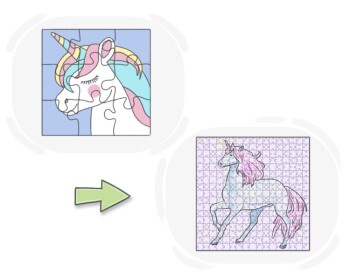
not easy to understand or analyze
difícil
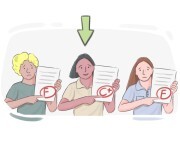
to a specific degree, particularly when compared to other similar things
relativamente
El costo de vida aquí es relativamente bajo.

available in large quantity
abundante
El jardín produjo verduras abundantes durante toda la temporada de cultivo.
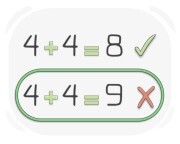
not precise or correct
inexacto, erróneo
El mapa estaba desactualizado y inexacto.

before the present moment or a specific time
anteriormente, antes
El sistema actual opera de manera más eficiente que el utilizado anteriormente.
to mention something or someone particularly in speech or writing
mencionar, referirse a
(of a place or building) far away from any other place, building, or person
aislado
La isla aislada solo era accesible en barco y no tenía residentes permanentes.
to show or display a quality, characteristic, behavior, sign, or condition
demonstrate

to share something between a large number of people
distribuir, repartir
in a manner that is free from bias, favoritism, or injustice
con justicia, justamente
El juez escuchó todas las pruebas y dictaminó con justicia.

following the principles of wrong and right and behaving based on the ethical standards of a society
moral
to make use of something for a particular purpose
emplear

a way of behaving or of doing something that is widely accepted in a society or among a specific group of people
costumbre
used to indicate the means or method by which something is achieved or brought about
por el cual, mediante el cual
La empresa introdujo un programa de recompensas mediante el cual los clientes ganan puntos por cada compra.
formal approval, acknowledgment, or commendation
reconocimiento, mérito

to make someone suffer a penalty or unpleasant consequence for wrongdoing
castigar
to force someone to leave or remove them from a place, group, or situation
excluir, expulsar

large in quantity, extent, or degree
considerable, importante
La tormenta dejó una cantidad considerable de escombros esparcidos por el vecindario.
in relation to or concerning someone or something
respecto a, en relación con
Ella le agradeció por su ayuda respecto a la tarea.
(of a person) wrong in one's judgment, opinion, or belief
equivocado
Se equivocaron al suponer que el problema se resolvería sin intervención.

a condition that causes a person or thing to be more successful compared to others
ventaja

willing to work with others and help achieve a shared purpose
cooperativo

to make information that was previously unknown or kept in secrecy publicly known
revelar
a relationship or connection between two or more things or people
vínculo, relación
the process of beginning to exist, develop, or become widely known
surgimiento

behaving in an angry way and having a tendency to be violent
agresivo
Se sentía intimidada por su comportamiento agresivo durante las discusiones.
| Cambridge IELTS 19 - Académico | |||
|---|---|---|---|
| Prueba 4 - Lectura - Pasaje 2 (2) | Prueba 4 - Lectura - Pasaje 2 (3) | Prueba 4 - Lectura - Pasaje 2 (4) | Prueba 4 - Lectura - Pasaje 3 (1) |
| Prueba 4 - Lectura - Pasaje 3 (2) | Prueba 4 - Lectura - Pasaje 3 (3) | Prueba 4 - Lectura - Pasaje 3 (4) | |
