Cambridge IELTS 15 - Академический - Тест 1 - Аудирование - Часть 3
Изучите словарный запас из Cambridge IELTS 15 Academic, Test 1 Listening Part 3, и повторите полезные слова и выражения из этого раздела тренировочного теста.
Обзор
Флэш-карточки
формы
Правописание
Тест

not deserving of trust or confidence

ненадежный
Свидетель оказался ненадёжным в суде.

enjoying other people's company and social interactions
общительный, дружелюбный
Общительный студент активно участвовал в групповых мероприятиях и легко заводил друзей.
able to do things as one wants without needing help from others
независимый

preferring solitude over socializing
интровертный, замкнутый
Интровертированный студент часто предпочитал проводить свободное время в одиночестве, читая книги или работая над личными проектами.

willing to work with others and help achieve a shared purpose
кооперативный

showing concern for the well-being of others and being kind and supportive in one's actions and interactions
заботливый
Она известна своей заботливой натурой, всегда готовая протянуть руку помощи нуждающимся.

having a strong desire to win or succeed
конкурентоспособный, амбициозный
Соревновательный атлет неустанно тренировался, чтобы улучшить свои результаты и превзойти своих соперников.
showing opposing ideas or opinions that do not agree, causing confusion or disagreement
противоречивый, расходящийся
Два свидетеля дали противоречивые показания о происшествии, что затруднило для следователей определение того, что действительно произошло.

referring to factors or conditions that involve both social and economic aspects
социально-экономический, социоэкономический
Исследование изучило социально-экономические различия в доступе к здравоохранению.

to defend or support someone or something
заступиться за, поддержать
Она смело заступилась за своего младшего брата или сестру против школьных хулиганов.

showing respect to what other people say or do even when one disagrees with them
терпимый
Терпимый учитель поощрял открытые обсуждения в классе, создавая среду, в которой ученики чувствовали себя свободно, выражая различные точки зрения без страха осуждения.
to develop or perform in a positive or successful way
ладить
Проект продвигается довольно хорошо; мы опережаем график.

a widely held but fixed and oversimplified image or idea of a particular type of person or thing
клише
Фильм опирался на стереотип подростков, который не соответствовал реальности.
remaining strong and effective even when facing challenges or difficulties
крепкий
Надежный стиль руководства генерального директора превратил struggling компанию в лидера отрасли за несколько лет.

to give a brief description of something excluding the details
очертить
to trace the existence or origin of something to a specific point in time
восходить, прослеживать
Традиция празднования фестиваля восходит к векам.
to go over, read, or explain something quickly
пробежаться по
Дирижёр пробежался по музыкальной партитуре с оркестром, чтобы подготовиться к вечернему выступлению.

general agreement among the members of a group
общее мнение, согласие
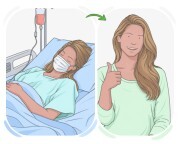
to recover from an unpleasant or unhappy experience, particularly an illness
оправиться от болезни или неприятного переживания, снова прийти в себя после болезни или неприятности
Ей потребовалось несколько недель, чтобы полностью оправиться от гриппа.
a distinctive quality or emotional tone associated with a piece of writing or situation
тон, оттенок

to care for and support the growth and development of a child until they reach adulthood
воспитывать, заботиться
Педагоги раннего детства сосредоточены на воспитании социального и когнитивного развития маленьких учеников.

to take care of someone or something and attend to their needs, well-being, or safety
присматривать за
Медсестра ухаживает за больным пациентом, контролируя его состояние и обеспечивая лекарства.
a typical example of some state or quality
пример, архетип
to have a good relationship with someone
ладить с, хорошо относиться к
Она ладит со всеми своими коллегами.

strongly wanting or interested in doing, having, or experiencing something
стремящийся

to make someone satisfied or happy
доставлять
an extremely unpleasant, frightening, or troublesome situation, experience, person, or thing
ночной кошмар
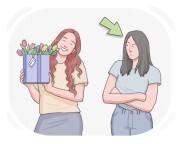
feeling unhappy or resentful because someone has something one wants
завистливый
Она не могла не чувствовать зависть к роскошным фотографиям отпуска своей подруги.

to feel a connection or understanding with someone or something
понимать кого-то, чувствовать связь с кем-то
Пережив подобную потерю, она могла глубоко сопереживать горю своей подруги.
the traits, behaviors, or qualities acquired as a consequence of upbringing or treatment during childhood
воспитание, уход
Её вежливые манеры были результатом тщательного nurture дома.
used to compare or to show contrast between two choices, decisions, etc.
против
Дебаты о природе против воспитания продолжаются веками.
to require someone or something for support, maintenance, help, etc.
Быть зависимым от
Многие малые предприятия зависят от лояльных клиентов, чтобы выжить на конкурентном рынке.

to take part in or become involved with something actively
участвовать, вовлекаться
to stigmatize or label someone or something with a negative reputation or association
клеймить, стигматизировать

newspapers, journalists, and magazines as a whole
пресса
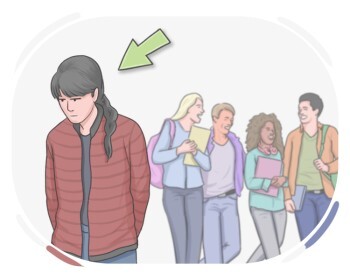
a person who actively avoids having any interaction with others
одиночка
Он был одиночкой в школе, всегда сидел один во время обеда.

to focus on something or someone as the primary subject or point of interest
сосредотачиваться вокруг кого-то или чего-то как основной темы, строиться вокруг основной темы
Сюжет фильма вращается вокруг детектива, разгадывающего сложную тайну.
severe, difficult, or unpleasant to experience or endure
суровый, жёсткий
a group of items that share a common feature
категория
to loudly complain about something or demand something
шуметь
Когда концерт закончился, фанаты начали требовать ещё одну песню.
the manner or method of managing or dealing with something or someone
обращение, способ управления
an example of a certain kind of situation
пример

information or facts collected to be used for various purposes
данные

to judge the value or importance of something
оценить
something that has been successfully done, particularly through hard work
достижение
to give thought to a certain fact before making a decision
примите во внимание, Обращать внимание

to serve as the reason for a particular occurrence or outcome
объяснять
Внезапный рост спроса на электромобили может объяснить рост цен на литий.

to a very small or barely noticeable degree
незначительно, маргинально
Температура была незначительно теплее, чем обычно.
to express in words or articulate verbally
выражать, вербализовать
Она четко вербализует свои мысли во время презентации.

to be one of the causes or reasons that helps something happen
способствовать
a situation that involves two or multiple people, teams, businesses, etc. competing for the same status, object, or thing
соперничество
Интенсивное соперничество между двумя футбольными командами длится десятилетиями.

to tolerate something or someone unpleasant, often without complaining
терпеть, мириться с
Родители часто мирятся с беспорядком маленьких детей из-за радости, которую они приносят.
to live or exist together peacefully despite differences in beliefs or interests
сосуществовать
Две соседние страны научились сосуществовать, несмотря на свои различия.