
Cambridge IELTS 15 - Akademický - Test 1 - Poslech - Část 3
Zde najdete slovní zásobu z Testu 1 - Poslech - Část 3 v učebnici Cambridge IELTS 15 - Academic, která vám pomůže připravit se na zkoušku IELTS.
Revize
Kartičky
tvary
Pravopis
Kvíz

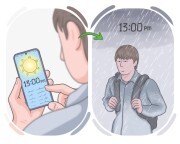
not deserving of trust or confidence

nespolehlivý, nedůvěryhodný
Služba byla během bouřek nespolehlivá.

enjoying other people's company and social interactions
družný, extrovertní
Její družná povaha z ní dělala duši večírku, vždy přinášela energii a smích na společenské akce.
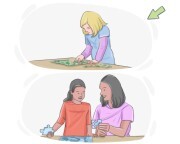
able to do things as one wants without needing help from others
nezávislý
Nezávislý myslitel zpochybňuje konvenční moudrost a kuje si vlastní cestu životem.

preferring solitude over socializing
introvertní, uzavřený
Introvertní cestovatel raději objevoval destinace mimo vyšlapané cesty, vyhýbaje se přeplněným turistickým atrakcím.

characterized by a willingness and ability to work harmoniously with others
spolupracující, ochotný ke spolupráci
Jeho kooperativní povaha z něj dělá skvělého mediátora.

showing concern for the well-being of others and being kind and supportive in one's actions and interactions
pečující, starostlivý
Péčující přístup učitele způsobil, že se studenti cítili pohodlně, když k ní přicházeli se svými problémy.
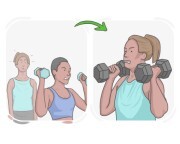
having a strong desire to win or succeed
konkurenceschopný, ambiciózní
Její konkurenční duch ji přiměl hledat vedoucí pozice a vynikat v kariéře.
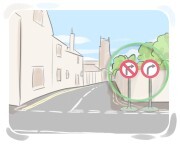
showing opposing ideas or opinions that do not agree, causing confusion or disagreement
protichůdný, odlišný
Výsledky výzkumu z různých studií byly protichůdné, což vyžadovalo další vyšetřování k vyřešení nesrovnalostí.

referring to factors or conditions that involve both social and economic aspects
socioekonomický, společensko-ekonomický
Nezisková organizace se zaměřuje na zlepšování socioekonomických podmínek v nedostatečně obsluhovaných komunitách.

to defend or support someone or something
bránit, podporovat
Kapitán týmu se postavil za své spoluhráče, když čelili nespravedlivé kritice.

showing respect to what other people say or do even when one disagrees with them
tolerantní, shovívavý
Tolerantní rodič povzbuzoval své děti, aby prozkoumávaly své vlastní přesvědčení a hodnoty, a podporoval je, i když se lišily od jeho vlastních.
to develop or perform in a positive or successful way
postupovat, rozvíjet se
Ve škole se mu velmi dobře daří, získává nejlepší známky ve svých třídách.

a widely held but fixed and oversimplified image or idea of a particular type of person or thing
stereotyp
Reklama zpochybnila stereotyp, že určité práce jsou pouze pro muže.
remaining strong and effective even when facing challenges or difficulties
robustní, silný
Robustní reakce komunity pomohla zabránit uzavření místní knihovny.

to give a brief description of something excluding the details
nastínit, stručně popsat
Před zahájením výzkumné práce vědec nastínil hypotézy a metodiky, které studii povedou.
to trace the existence or origin of something to a specific point in time
sahají, vracet se
Archivy místní knihovny sahají až k založení města.
to go over, read, or explain something quickly
projít, rychle přečíst
Prezentátor projede hlavní témata konference v krátkém úvodním projevu.

an agreement reached by all members of a group
konsenzus, shoda
Budování konsenzu mezi členy rodiny bylo náročné, ale nakonec se shodli na dovolenkové destinaci.

to recover from an unpleasant or unhappy experience, particularly an illness
uzdravit se, překonat
Konečně překonala svůj strach z veřejného mluvení.
a distinctive quality or emotional tone associated with a piece of writing or situation
tón, odstín
V jeho hudbě je melancholická nota.

to care for and support the growth and development of a child until they reach adulthood
vychovávat, pečovat
Rodiče vychovávají své děti s láskou, pozorností a pozitivními vlivy.

to take care of someone or something and attend to their needs, well-being, or safety
pečovat o, starat se o
Společnost pečuje o své zaměstnance tím, že jim poskytuje bezpečné a zdravé pracovní prostředí.
to have a good relationship with someone
vycházet s, mít dobrý vztah s
Navzdory jejich rozdílům se spolu dobře vycházejí.

having a strong desire for doing or experiencing something
dychtivý, horlivý
Jak se datum koncertu blížilo, fanoušci byli stále dychtivější vidět své oblíbené kapely vystupovat naživo.

to make someone satisfied or happy
uspokojit, potěšit
On potěší své rodiče tím, že uklidí dům, než se vrátí z cesty.
a person or thing that is difficult, unpleasant, or causes trouble
noční můra, metla
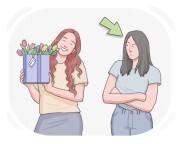
feeling unhappy or resentful because someone has something one wants
závistivý, žárlivý
Cítil závist, když sledoval svého souseda odjíždět v zcela novém sportovním voze.

to feel a connection or understanding with someone or something
cítit spojení s, rozumět
Jako rodič se dokáže ztotožnit s výzvami výchovy batolete.
the traits, behaviors, or qualities acquired as a consequence of upbringing or treatment during childhood
výchova, péče
Rozdíly ve výchově mohou vysvětlit, proč se sourozenci ukážou odlišní.
used to compare or to show contrast between two choices, decisions, etc.
proti
Kočky proti psům: které domácí zvíře je na světě populárnější?
to require someone or something for support, maintenance, help, etc.
záviset na, spoléhat se na
V dobách krize se komunity často spoléhají na dobrovolníky, aby pomohli potřebným.

to take part in or become involved with something actively
zúčastnit se, zapojit se
to stigmatize or label someone or something with a negative reputation or association
označit, stigmatizovat
Její kontroverzní poznámky ji označily za vyděděnce v oboru.

newspapers, journalists, and magazines as a whole
tisk, média
Veřejné osobnosti jsou často v centru pozornosti tisku.
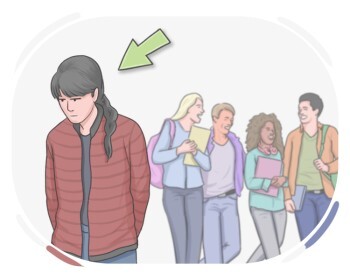
a person who actively avoids having any interaction with others
samotář, izolovaný
Někteří lidé mylně předpokládají, že samotáři jsou nepřátelští, ale mohou prostě jen upřednostňovat samotu.

to focus on something or someone as the primary subject or point of interest
točit se kolem, zaměřit se na
Tato debata se bude točit kolem klíčových otázek zdravotní péče a vzdělávání.
(of conditions or actions) unpleasantly rough or severe
tvrdý, přísný
Jeho kritika byla tvrdá, což ji zanechalo sklíčenou.
a group of items that share a common feature
kategorie
Sbírka muzea je organizována do kategorií, jako je starověké umění, moderní umění a sochařství.
to loudly complain about something or demand something
hlasitě požadovat, hlučně protestovat
Ve třídě studenti začali hlasitě dožadovat méně domácích úkolů, jejich hlasy sílily.
the manner or method of managing or dealing with something or someone
zacházení, způsob řízení
Křehká váza vyžadovala opatrné zacházení během přepravy, aby nedošlo k poškození.
an example of a certain kind of situation
případ, příklad
V případě špatného počasí bude akce odložena.

information or facts collected to be used for various purposes
data, informace
Sčítání lidu shromažďuje demografické údaje, aby porozumělo populačním trendům.

to judge the value or importance of something
hodnotit, posuzovat
Restaurace byla vysoce hodnocena za své výborné jídlo.
something that has been successfully done, particularly through hard work
úspěch, dosažení
Po letech oddané praxe bylo vítězství zlaté medaile fenomenálním úspěchem pro gymnastu.
to give thought to a certain fact before making a decision

to serve as the reason for a particular occurrence or outcome
vysvětlit, být důvodem
Nová politika vysvětluje zlepšená bezpečnostní opatření na pracovišti.

to a very small or barely noticeable degree
mírně, marginálně
Účast se po oznámení mírně zvýšila.
to express in words or articulate verbally
vyjádřit, verbalizovat
Několik měsíců verbalizovala své obavy ohledně dynamiky na pracovišti.

to be one of the causes or reasons that helps something happen
přispět, napomáhat
Její postřehy přispěly k rozvoji inovativního nápadu.
a situation that involves two or multiple people, teams, businesses, etc. competing for the same status, object, or thing
rivalita
Jejich rivalita začala na střední škole a pokračovala v jejich profesionálních kariérách, motivovala oba k vynikání.

to tolerate something or someone unpleasant, often without complaining
snášet, tolerovat
Učitelé snášejí složitosti virtuálních tříd, aby zajistili vzdělání studentů.
to live or exist together peacefully despite differences in beliefs or interests
koexistovat, žít společně
Environmentalisté a developeři musí najít způsoby, jak koexistovat pro udržitelný pokrok.
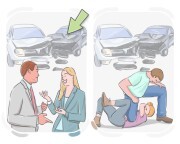
in a friendly and peaceable way, showing goodwill and avoiding conflict
přátelsky, přátelským způsobem
Přátelsky ukončila rozhovor a odešla.
used to introduce a statement that is true for one thing and false for another
zatímco, naopak
Zatímco ráno bylo chladno, odpoledne se ukázalo být teplé a příjemné.
