pattern

Cambridge IELTS 15 - Academic - Test 1 - Listening - Part 3

Here you can find the vocabulary from Test 1 - Listening - Part 3 in the Cambridge IELTS 15 - Academic coursebook, to help you prepare for your IELTS exam.

Review

Flashcards

Forms

Spelling

Quiz

Start learning
Cambridge IELTS 15 - Academic
unreliable
unreliable
[Adjective]

not deserving of trust or confidence

Ex: The witness proved unreliable in court. 
Close
Sign in
outgoing
outgoing
[Adjective]

enjoying other people's company and social interactions
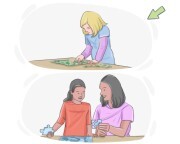
Ex: The outgoing student eagerly participated in group activities and made friends easily. 
Close
Sign in
independent
independent
[Adjective]

able to do things as one wants without needing help from others

Ex: She's an independent woman, capable of making her own decisions and taking care of herself. 
Close
Sign in
introverted
introverted
[Adjective]

preferring solitude over socializing

Ex: The introverted student often chose to spend their free time alone, reading books or working on personal projects. 
Close
Sign in
cooperative
cooperative
[Adjective]

characterized by a willingness and ability to work harmoniously with others

Ex: She's always cooperative during group assignments. 
Close
Sign in
caring
caring
[Adjective]

showing concern for the well-being of others and being kind and supportive in one's actions and interactions

Ex: She is known for her caring nature, always willing to lend a helping hand to those in need. 
Close
Sign in
competitive
competitive
[Adjective]

having a strong desire to win or succeed
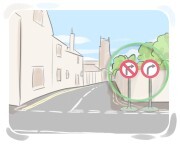
Ex: The competitive athlete trained tirelessly to improve their performance and surpass their opponents. 
Close
Sign in
conflicting
conflicting
[Adjective]

showing opposing ideas or opinions that do not agree, causing confusion or disagreement

Ex: The two witnesses provided conflicting accounts of the accident, making it difficult for investigators to determine what truly happened. 
Close
Sign in
socioeconomic
socioeconomic
[Adjective]

referring to factors or conditions that involve both social and economic aspects

Ex: The study examined the socioeconomic disparities in access to healthcare. 
Close
Sign in
to stand up for

to defend or support someone or something

Ex: She bravely stood up for her younger sibling against the school bullies. 
Close
Sign in
tolerant
tolerant
[Adjective]

showing respect to what other people say or do even when one disagrees with them

Ex: The tolerant teacher encouraged open discussions in the classroom, fostering an environment where students felt free to express diverse viewpoints without fear of judgment. 
Close
Sign in
to get on
to get on
[Verb]

to develop or perform in a positive or successful way

Ex: The project is getting on quite well; we're ahead of schedule. 
Close
Sign in
stereotype

a widely held but fixed and oversimplified image or idea of a particular type of person or thing

Ex: The movie relied on a stereotype of teenagers that wasn't true to life. 
Close
Sign in
robust
robust
[Adjective]

remaining strong and effective even when facing challenges or difficulties

Ex: The CEO's robust leadership style transformed the struggling company into an industry leader within a few years. 
Close
Sign in
to outline

to give a brief description of something excluding the details

Ex: Before writing the essay, the student outlined the main ideas to organize the structure. 
Close
Sign in
to go back

to trace the existence or origin of something to a specific point in time

Ex: The tradition of celebrating the festival goes back for centuries. 
Close
Sign in
to run through

to go over, read, or explain something quickly

Ex: The conductor ran through the musical score with the orchestra to prepare for the evening's performance. 
Close
Sign in
consensus
consensus
[noun]

an agreement reached by all members of a group

Ex: The team reached a consensus on the new project timeline after extensive discussions. 
Close
Sign in
well-adjusted
well-adjusted
[Adjective]

free from psychological disorder

Close
Sign in
to get over

to recover from an unpleasant or unhappy experience, particularly an illness

Ex: It took her several weeks to get over the flu completely. 
Close
Sign in
note
note
[noun]

a distinctive quality or emotional tone associated with a piece of writing or situation

Ex: The poem has a reflective note throughout. 
Close
Sign in
to nurture

to care for and support the growth and development of a child until they reach adulthood

Ex: The parents nurture their children with love, attention, and positive influences. 
Close
Sign in
to look after

to take care of someone or something and attend to their needs, well-being, or safety

Ex: The nurse looks after the sick patient by monitoring their condition and providing medication. 
Close
Sign in
picture
picture
[noun]

a typical example of some state or quality

Close
Sign in
to get on with

to have a good relationship with someone

Ex: She gets on well with all her colleagues. 
Close
Sign in
eager
eager
[Adjective]

having a strong desire for doing or experiencing something

Ex: The children were eager to open their presents on Christmas morning. 
Close
Sign in
to please
to please
[Verb]

to make someone satisfied or happy

Ex: The musician pleases the crowd by playing her favorite song. 
Close
Sign in
nightmare
nightmare
[noun]

a person or thing that is difficult, unpleasant, or causes trouble

Close
Sign in
envious
envious
[Adjective]

feeling unhappy or resentful because someone has something one wants
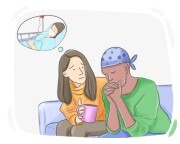
Ex: She couldn't help but feel envious of her friend's luxurious vacation photos. 
Close
Sign in
to relate to

to feel a connection or understanding with someone or something

Ex: After experiencing a similar loss, she could deeply relate to her friend's grief. 
Close
Sign in
nurture
nurture
[noun]

the traits, behaviors, or qualities acquired as a consequence of upbringing or treatment during childhood

Ex: Her polite manners were the result of careful nurture at home. 
Close
Sign in
versus
versus
[preposition]

used to compare or to show contrast between two choices, decisions, etc.

Ex: Cats versus dogs: which pet is more popular in the world? 
Close
Sign in
to depend on

to require someone or something for support, maintenance, help, etc.

Ex: Many small businesses depend on loyal customers to survive in a competitive market. 
Close
Sign in
to engage
to engage
[Verb]

to take part in or become involved with something actively

Ex: Students should engage in class discussions to enhance their learning. 
Close
Sign in
to brand
to brand
[Verb]

to stigmatize or label someone or something with a negative reputation or association

Ex: The scandalous incident branded him as untrustworthy in the eyes of the community. 
Close
Sign in
press
press
[noun]

newspapers, journalists, and magazines as a whole
Ex: He gave an interview to the press about his new book. 
Close
Sign in
loner
loner
[noun]

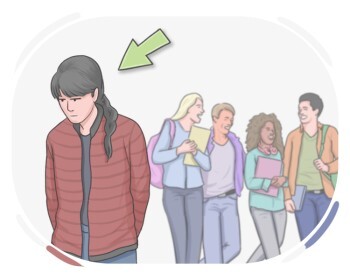
a person who actively avoids having any interaction with others

Ex: He was a loner in school, always sitting by himself during lunch. 
Close
Sign in
to revolve around

to focus on something or someone as the primary subject or point of interest

Ex: The plot of the movie revolves around a detective solving a complex mystery. 
Close
Sign in
harsh
harsh
[Adjective]

(of conditions or actions) unpleasantly rough or severe

Ex: His critique was harsh, leaving her disheartened. 
Close
Sign in
category
category
[noun]

a group of items that share a common feature

Ex: The movies are divided into categories like action, comedy, and drama. 
Close
Sign in
to clamor
to clamor
[Verb]

to loudly complain about something or demand something

Ex: As the concert ended, the fans began to clamor for one more song. 
Close
Sign in
treatment
treatment
[noun]

the manner or method of managing or dealing with something or someone

Ex: The delicate vase required careful treatment during transportation to avoid any damage. 
Close
Sign in
case
case
[noun]

an example of a certain kind of situation

Ex: In this case, we need to follow the company's emergency procedures. 
Close
Sign in
data
data
[noun]

information or facts collected to be used for various purposes

Ex: The scientist analyzed the data collected from the experiment. 
Close
Sign in
to rate
to rate
[Verb]

to judge the value or importance of something

Ex: The company rates its customer service very highly. 
Close
Sign in
achievement

something that has been successfully done, particularly through hard work

Ex: After years of dedicated practice, winning the gold medal was a phenomenal achievement for the gymnast. 
Close
Sign in
to [take] {sth} into consideration

to give thought to a certain fact before making a decision

Ex: When planning the project, we need to take budget constraints into consideration. 
Close
Sign in
to account for

to serve as the reason for a particular occurrence or outcome
Ex: A sudden increase in demand for electric cars can account for the rising prices of lithium. 
Close
Sign in
marginally
marginally
[Adverb]

to a very small or barely noticeable degree

Ex: The temperature was marginally warmer than usual. 
Close
Sign in
to verbalize

to express in words or articulate verbally

Ex: She verbalizes her thoughts clearly during the presentation. 
Close
Sign in
to contribute

to be one of the causes or reasons that helps something happen

Ex: Many factors contribute to the rise in housing prices. 
Close
Sign in
rivalry
rivalry
[noun]

a situation that involves two or multiple people, teams, businesses, etc. competing for the same status, object, or thing

Ex: The intense rivalry between the two football teams has lasted for decades. 
Close
Sign in
to put up with

to tolerate something or someone unpleasant, often without complaining

Ex: Parents often put up with the messiness of young children for the joy they bring. 
Close
Sign in
to coexist

to live or exist together peacefully despite differences in beliefs or interests
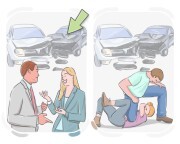
Ex: The two neighboring countries have learned to coexist despite their differences. 
Close
Sign in
amicably
amicably
[Adverb]

in a friendly and peaceable way, showing goodwill and avoiding conflict

Ex: They amicably settled their differences without arguing. 
Close
Sign in
whereas
whereas
[conjunction]

used to introduce a statement that is true for one thing and false for another

Ex: James is outgoing and talkative, whereas his brother is reserved and quiet. 
Close
Sign in
LanGeek
Download LanGeek app