


a specific duration or period during which an individual is engaged in a particular task or activity

period, mandatperiod
Skådespelerskan hade en framgångsrik period på Broadway innan hon gick över till film.
(psychology) the process of relieving a complex by bringing it to consciousness and directly addressing it
katars, känslomässig rening
Att prata med en terapeut om sina tidigare trauman gav honom en mycket välbehövd känsla av katars och emotionell lättnad.
a baseless and made-up story or news report created to mislead people
en falsk nyhet, en skrön
Sociala medieplattformar används ofta för att sprida falska rykten och desinformation, vilket leder till förvirring och misstro.

a widely held but fixed and oversimplified image or idea of a particular type of person or thing
stereotyp
Han var trött på stereotypen att alla idrottare saknar intelligens.
a gradual advance or penetration that weakens or reduces strength, influence, or effectiveness
framsteg, penetration
Teknologiska framsteg har gjort betydande framsteg i traditionella tillverkningsmetoder.
a lengthy, tedious, and complicated procedure or set of instructions, often considered unnecessary
byråkratiskt trassel, långdraget och tråkigt förfarande
Bökigheten med att montera möblerna enligt bruksanvisningen tog dubbelt så lång tid som förväntat.
a historical unit of currency formerly used in Greece
drachma, en historisk valutaenhet som tidigare användes i Grekland
Historiska artefakter inkluderar ofta inskriptioner som anger priser i drachma, vilket ger insikt i antika ekonomier.
a period of time in history or someone's life, during which significant events happen
epok, era
Hennes tid vid universitetet representerade en definierande epok i hennes liv, som formade hennes framtida karriär och personliga tillväxt.
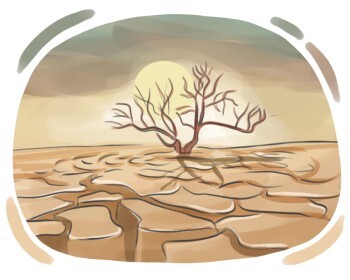
a long period of time when there is not much raining
torka, vattenbrist
Regeringen förklarade undantagstillstånd på grund av torka.
a musical piece written for five singers or instruments
kvintett, musikstycke för fem sångare eller instrument
Hon var glad att få gå med i det berömda bleckblåsarkvintetten för deras kommande konsertturné.
a song or poem expressing sadness, especially in the memory of a dead person or a bitter event in the past
elegi, sorgedikt
Den dystra tonen och den lyriska skönheten i elegin ekade djupt hos lyssnarna och erbjöd tröst inför sorgen.
the social or cultural setting or environment
miljö
Den historiska romanen fångar livfullt miljön i 1800-talets London och skildrar tidens sociala normer och sedvänjor.

something that we usually buy and bring back for other people from a place that we have visited on vacation
minne, souvenir
Hon köpte ett nyckelband souvenir från presentaffären för att minnas sin resa till Paris.
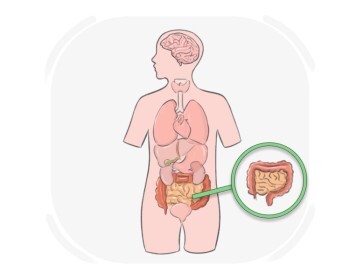
the internal organs, particularly the intestines, of a human or animal
inälvor, tarmar
Under medeltiden förutspådde siare framtiden genom att studera inälvorna hos offerdjur.
an offspring of a human or animal that is not born yet, particularly a human aged more than eight weeks after conception
foster, embryo
Fostret hade börjat röra sig vid slutet av det första trimester.
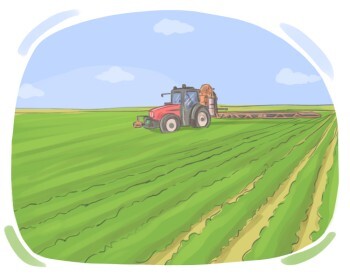
land that has been prepared or cultivated, ready for planting or sowing seeds
plöjd mark, odlad jord
I gamla civilisationer överfördes kunskap om jordbruksmetoder, inklusive hur man förbättrar jordbearbetning, från generation till generation.
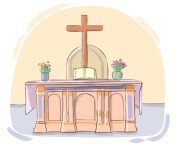
the table in a church, used for giving communion in Christianity
altare, nattvardsbord
Prästen välsignade brödet och vinet på altaret och förberedde dem för nattvarden.
a recognized collection of authoritative books, texts, or works within a particular field or tradition, especially in religion
kanon
excessive pride in oneself or one's abilities, often manifesting as vanity or arrogance
självbelåtenhet, överdriven stolthet
Trots sin självbelåtenhet kunde han inte vinna sina kamraters respekt på grund av sin brist på ödmjukhet.
(phonetics) a gliding speech sound formed by the combination of two vowels in a single syllable
diftong, dubbelvokal
Att förstå diftonger hjälper till att bemästra uttalet på främmande språk.
| SAT Ordfärdigheter 6 | |||
|---|---|---|---|
| Lektion 41 | Lektion 42 | Lektion 43 | Lektion 44 |
| Lektion 45 | Lektion 46 | Lektion 47 | Lektion 48 |
| Lektion 49 | Lektion 50 | ||
