
Abilități Lexicale pentru SAT 6 - Lecția 43
Revizuire
Fișe de studiu
Ortografie
Chestionar


a specific duration or period during which an individual is engaged in a particular task or activity

perioadă, mandat
După ce și-a încheiat perioada de stagiar la firma de avocatură, James a primit o ofertă de angajare cu normă întreagă.
(psychology) the process of relieving a complex by bringing it to consciousness and directly addressing it
catharsis, purificare emoțională
Scrisul într-un jurnal poate oferi un sentiment de catarsă, permițând indivizilor să-și exprime și să-și proceseze emoțiile.
a baseless and made-up story or news report created to mislead people
o știre falsă, o minciună
Ziarul de senzație a publicat un canard pretinzând că extratereștrii au fost văzuți în parcul local.

a widely held but fixed and oversimplified image or idea of a particular type of person or thing
stereotip
Filmul s-a bazat pe un stereotip al adolescenților care nu era fidel vieții reale.
a gradual advance or penetration that weakens or reduces strength, influence, or effectiveness
avans, pătrundere
Strategia agresivă de marketing a companiei a făcut avansuri semnificative în cota de piață a concurenților săi.
a lengthy, tedious, and complicated procedure or set of instructions, often considered unnecessary
împletitură birocratică, procedură lungă și plictisitoare
Birocrația inutilă implicată în obținerea unei simple autorizații a frustrat mulți proprietari de mici afaceri.
a historical unit of currency formerly used in Greece
drachma, unitate monetară istorică folosită în trecut în Grecia
În antichitate, bunurile și serviciile erau cumpărate și vândute folosind drachma ca monedă.
a period of time in history or someone's life, during which significant events happen
epocă, eră
Renașterea a fost o epocă a marilor realizări culturale și artistice în Europa.
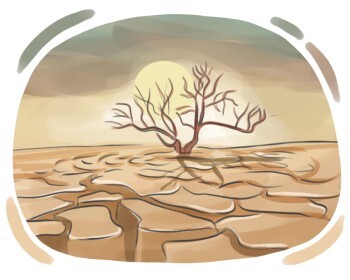
a long period of time when there is not much raining
secetă, lipsă de apă
Orașul a impus restricții de apă din cauza secetei.
a musical piece written for five singers or instruments
cvintet, piesă muzicală scrisă pentru cinci cântăreți sau instrumente
Compozitorul a fost încântat să preamierască ultimul său cvintet, interpretat de un grup de muzicieni talentați.
a song or poem expressing sadness, especially in the memory of a dead person or a bitter event in the past
elegie, cântec funebru
Poeții a compus o elegie pentru a plânge trecerea unui prieten iubit, captând durerea și dorul simțite de cei rămași în urmă.
the social or cultural setting or environment
mediu
Crescând într-o comunitate strâns unită, mediul Sarah a modelat valorile și credințele ei.

something that we usually buy and bring back for other people from a place that we have visited on vacation
suvenir, cadou
A găsit o figurină din lemn lucrată manual ca suvenir perfect al vizitei sale în satul de munte.
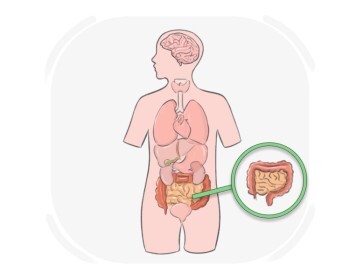
the internal organs, particularly the intestines, of a human or animal
măruntaie, intestine
Vânătorul a eviscerat cerbul și i-a îndepărtat măruntaiele înainte de a-l pregăti pentru gătit.
an offspring of a human or animal that is not born yet, particularly a human aged more than eight weeks after conception
făt, embrion
Ecografia a arătat că fătul se dezvoltă normal.

land that has been prepared or cultivated, ready for planting or sowing seeds
pământ arat, sol cultivat
Fermierii antici au arat pământul cu hărnicie, străduindu-se să obțină o pregătire a solului optimă pentru culturile lor.

the table in a church, used for giving communion in Christianity
altar, masa de împărtășanie
Adunarea s-a strâns în jurul altarului pentru slujba de dimineață.
a recognized collection of authoritative books, texts, or works within a particular field or tradition, especially in religion
canon
excessive pride in oneself or one's abilities, often manifesting as vanity or arrogance
vanitate, mândrie excesivă
Îngâmfarea lui l-a împiedicat să-și recunoască greșelile, chiar și atunci când i-au fost arătate.
