

pattern

IELTS学术词汇 (分数5) - 意见

在这里,您将学习一些与观点相关的英语单词,这些单词是基础学术雅思考试所必需的。

审查

闪卡

词形

拼写

测验

开始学习
Vocabulary for IELTS Academic (Band 5)
to complain
to complain
[动词]

to express your annoyance, unhappiness, or dissatisfaction about something

抱怨, 发牢骚

抱怨, 发牢骚

Ex: Rather than complaining about the weather, Sarah decided to make the best of the rainy day and stayed indoors reading a book. 
关闭
登录
to oppose
to oppose
[动词]

to strongly disagree with a policy, plan, idea, etc. and try to prevent or change it

反对, 抵抗

反对, 抵抗

Ex: He strongly opposed her idea, believing it would not solve the underlying problem. 
关闭
登录
to protest
to protest
[动词]

to show disagreement by taking action or expressing it verbally, particularly in public

抗议, 示威

抗议, 示威

Ex: Activists peacefully marched to protest racial injustice and advocate for equality. 
关闭
登录
to fault
to fault
[动词]

to put blame on someone or something for a mistake or problem

责备, 归咎

责备, 归咎

Ex: The investigator couldn't fault the witness's account of the incident. 
关闭
登录
to attack
to attack
[动词]

to criticize someone for their actions or opinions

攻击, 批评

攻击, 批评

Ex: The author was attacked online after expressing an unpopular opinion. 
关闭
登录
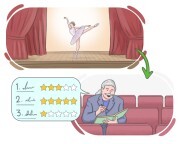
to judge
to judge
[动词]

to form a decision or opinion based on what one knows

判断, 评估
判断, 评估

Ex: The chef judges the taste of the dish by sampling it before serving. 
关闭
登录
to critique
to critique
[动词]

to carefully examine something in a detailed manner

批评,  分析

批评, 分析

Ex: The editor is critiquing the manuscript, offering suggestions for revision and improvement. 

编辑正在批评手稿,为修订和改进提供建议。

关闭
登录
to condemn
to condemn
[动词]

to express strong disapproval of someone or something, especially publicly

谴责,  责难

谴责, 责难

Ex: Emma strongly condemned the cruel treatment of the animals. 
关闭
登录
to blame
to blame
[动词]

to say or feel that someone or something is responsible for a mistake or problem

责备, 责怪

责备, 责怪

Ex: Rather than taking responsibility, he tried to blame external factors for his own shortcomings. 
关闭
登录
to disagree
to disagree
[动词]

to have or express a different opinion from someone else

不同意,  有分歧

不同意, 有分歧

Ex: I disagree with the idea that longer hours always lead to better results. 
关闭
登录
to dislike
to dislike
[动词]

to not like someone or something

不喜欢, 讨厌

不喜欢, 讨厌

Ex: Daniel dislikes being interrupted while he is working. 
关闭
登录
to accept
to accept
[动词]

to say yes to what is asked of you or offered to you

接受, 同意

接受, 同意

Ex: They accepted the offer to stay at the beach house for the weekend. 
关闭
登录
to like
to like
[动词]

to feel that someone or something is good, enjoyable, or interesting

喜欢, 欣赏

喜欢, 欣赏

Ex: What kind of music do you like? 
关闭
登录
to evaluate
to evaluate
[动词]

to judge the quality, importance, value, or effectiveness of someone or something

评估,  评价

评估, 评价

Ex: Doctors evaluated Maria's condition after the treatment. 
关闭
登录
to approve
to approve
[动词]

to officially agree to a plan, proposal, etc.

批准, 核准

批准, 核准

Ex: The government has approved additional funding for the project. 
关闭
登录
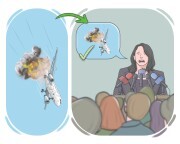
to admit
to admit
[动词]

to agree with the truth of something, particularly in an unwilling manner

承认, 坦白
承认, 坦白

Ex: The employee has admitted to violating the company's policies. 
关闭
登录
to confirm
to confirm
[动词]

to show or say that something is the case, particularly by providing proof

确认, 证实

确认, 证实

Ex: His research confirmed the hypothesis he had proposed earlier. 
关闭
登录
to criticize
to criticize
[动词]

to express disapproval of someone or something by pointing out faults or weaknesses

批评,  指责

批评, 指责

Ex: Emma was criticized for arriving late to several meetings. 
关闭
登录
LanGeek
下载LanGeek应用程序