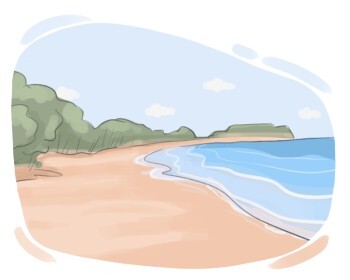
the boundary between land and water, particularly as seen on a map or from above

(of a place or atmosphere) full of excitement and energy
an opening or entrance that serves as a point of entry or exit to a place, such as a building, property, or enclosed area

to think about or consider past events, experiences, or decisions
to trace the existence or origin of something to a specific point in time
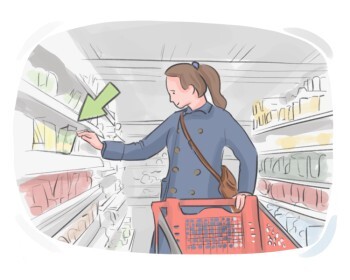
items made or produced for sale
to exist or remain in a particular state, condition, or situation
spanning to both sides of the Atlantic Ocean, typically between Europe and North America
traffic in slaves; especially in Black Africans transported to America in the 16th to 19th centuries
related to a country that controls another territory or country
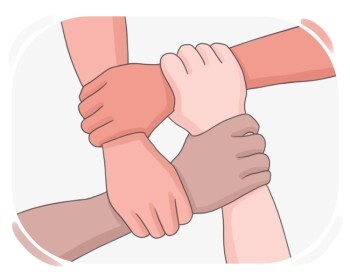
a group of people who share a common culture, language, religion, or ancestry

a typically repeating arrangement of shapes, colors, etc., regularly done as a design on a surface

the quality of being willing to face danger, fear, or difficulty with resolve and courage
the ability to use knowledge, experience, and good judgment effectively
a strong repeated pattern of musical notes or sounds
a mixture in which different elements are combined evenly
to try to achieve a better result compared to that of other people or things
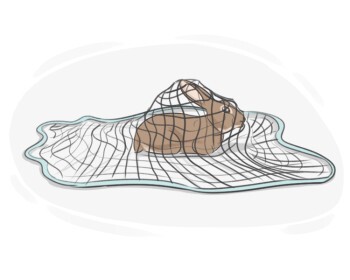
to capture or grab something or someone using methods like hunting, chasing, or trapping

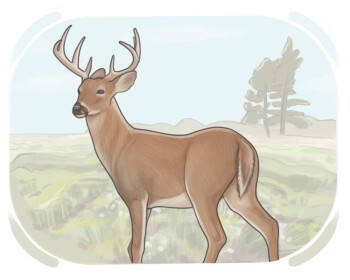
a large, wild animal with long legs which eats grass and can run very fast, typically the males have horns

to show a lot of respect for someone or something
an inhabitant of a particular area or community
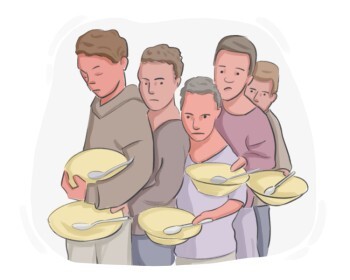
a situation where there is not enough food that causes hunger and death
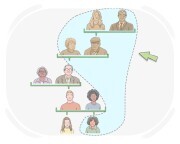
a blood relative who lived a long time ago, usually before one's grandparents

an immaterial supernatural being that can appear or be perceived by humans


a public event where people or vehicles orderly move forward, particularly to celebrate a holiday or special day
a remarkable natural feature or phenomenon that is extraordinary or awe-inspiring
a small stand or booth where food is prepared and sold
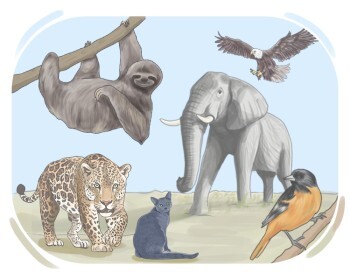
all wild animals, considered as a whole, living in the natural environment
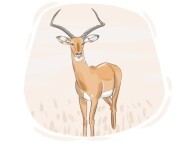
a quadruped mammal with a slender build and curved horns that is native to Africa or Eurasia
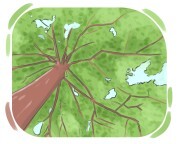
the upper layer of trees in a forest that creates a dense cover with interlocking leaves; offering shade and shelter in the ecosystem
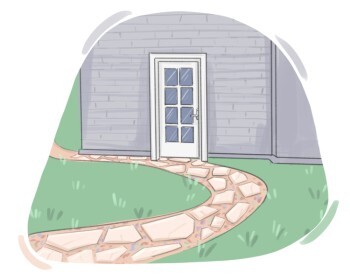
a path for walking, typically built outdoors and above the ground level
to be positioned in a way that the top part is fixed or connected to something, but the bottom part can move freely without touching the ground
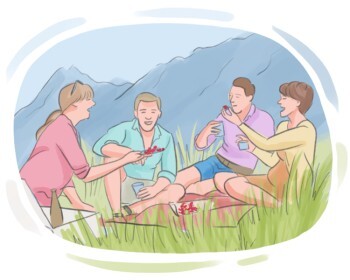
an occasion when we pack food and take it to eat outdoors, typically in the countryside
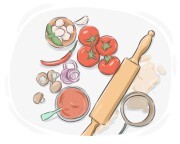
a food item that forms part of a recipe or culinary mixture
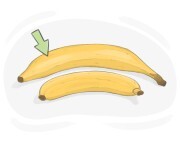
a cooking banana that is starchy and grows in tropical regions
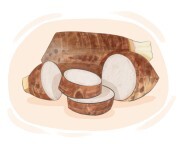
a large edible root of a tropical climbing plant with a red skin

a tall plant growing in Central America that produces yellow seeds, which are used in cooking
transformed by natural microorganisms, often resulting in the creation of acids, gases, or alcohol
a tall plant with large yellow seeds that grow together on a cob, which is cooked and eaten as a vegetable or animal food
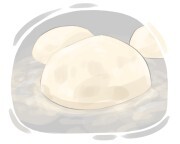
a thick mixture of flour, liquid and sometimes yeast that is baked into bread or pastry
related to or situated along the coast, the area where land meets the sea
to crush, grind, or break something into a fine powder or paste by applying pressure or force
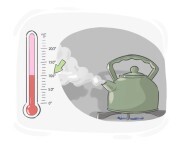
cooked in extremely hot liquids
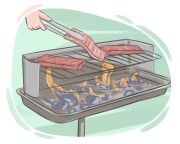
having been cooked over direct heat, often on a grill, resulting in a charred or seared exterior
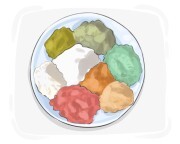
to add spices or salt to food to make it taste better

to regard highly and consider something as important, beneficial, or worthy of appreciation
the first stage of formal schooling, typically covering basic academic subjects and foundational skills for children between the ages of five and twelve
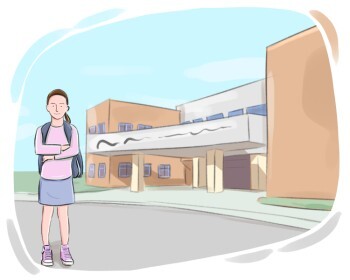
the school for young people, usually between the ages of 11 to 16 or 18 in the UK
the presence of a variety of distinct characteristics within a group