Vocabulary for IELTS General Training (Band 6-7) - Physical Actions and Reactions

Here, you will learn some English words related to Physical Actions and Reactions that are necessary for the General Training IELTS exam.

review-disable

review

flashcard-disable

flashcard

spelling-disable

spelling

quiz-disable

quiz

start-learning
Vocabulary for IELTS General Training (Band 6-7)
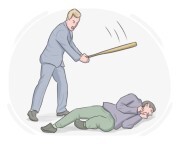
to whack [verb]

to strike forcefully with a sharp blow

Ex: The mechanic is whacking the rusted part of the car with a hammer to dislodge it .
to poke [verb]

to hit or punch lightly and quickly, often in a playful or teasing manner
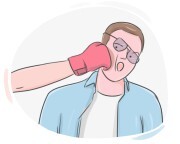
Ex: Annoyed with his constant chatter , she sharply poked him in the chest to make him stop .
to punch [verb]

to beat someone or something with a closed fist quickly and forcefully

Ex: Frustrated with the situation , she threatened to punch anyone who crossed her path .
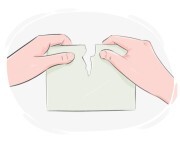
to tear [verb]

to forcibly pull something apart into pieces
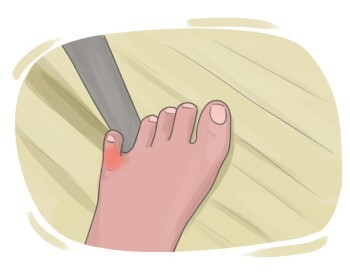
Ex: To reveal the surprise , he asked her to tear the sealed envelope .
to knock [verb]

to hit or strike with force, often accidentally

Ex: He knocked his elbow against the doorframe while rushing out of the room .

to hit using hands or weapons

Ex: The boxer aimed to strike his opponent with a precise combination of punches .
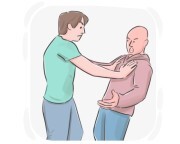
to shove [verb]

to push forcefully with a quick, strong movement, often using hands or body

Ex: In frustration , she forcefully shoved the door , eager to leave the room .
to graze [verb]

to cause injury to the surface of one's skin by rubbing it against something rough
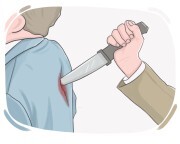
Ex: She grazed her hand on the sharp edge of the metal gate .
to stab [verb]

to push a knife or other sharp object into someone to injure or kill them

Ex: The detective concluded that the victim was stabbed with a kitchen knife based on the wound pattern .
to choke [verb]

to block the throat, hinder breathing and cause suffocation
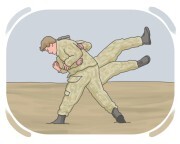
Ex: Unfortunately , the criminal chose to choke the victim , leaving them gasping for breath .

to fight or contend against someone or something, often in a physical or armed conflict

Ex: Soldiers are trained to combat enemies on the battlefield .
to swipe [verb]

to hit or strike something with a sweeping motion
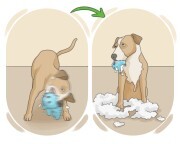
Ex: The baseball player swiped at the ball with a powerful swing .
to maul [verb]

to attack or handle someone or something roughly, causing severe injury or damage
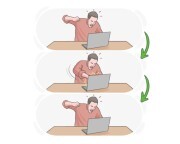
Ex: The enraged bear is mauling the beehive , seeking honey in the process .

to beat or strike repeatedly with force, often in a violent or uncontrolled manner

Ex: In the fit of rage , she is currently thrashing the punching bag at the gym .
to swoop [verb]

to quickly and unexpectedly attack a group or place to surround and capture them
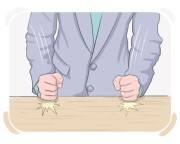
Ex: Government forces launched a surprise attack , swooping on a rebel hideout deep in the jungle
to thump [verb]

to hit or strike heavily with the hand or a blunt object, producing a dull, muffled sound

Ex: The drummer thumped the bass drum to set the rhythm .
to jab [verb]

to deliver a quick, sharp punch with a straight arm, often used in boxing to hit an opponent

Ex: During the scuffle , one participant jabbed their opponent in the chest , attempting to gain the upper hand .

to wrestle or struggle closely with someone, using hands or the body

Ex: During the intense match , the athletes fiercely grappled for control on the wrestling mat .
to slam [verb]

to hit or strike with great force, often making a loud noise

Ex: In a moment of anger , the player slammed the chess piece onto the board .
Vocabulary for IELTS General Training (Band 6-7)
Size and Scale Dimensions Weight and Steadiness Increase in Amount
Decrease in Amount Intensity Time and Duration Space and Area
Shapes Speed Significance Insignificance
Strength and Influence Uniqueness Commonness Complexity
High Quality Low Quality Value Challenges
Wealth and Success Poverty and Failure Age and Appearance Body Shape
Wellness Intellectual Capability Intellectual Incapability Positive Human Traits
Negative Human Traits Moral Traits Financial Behaviours Social Behaviours
Short-tempered Traits Positive Emotional Responses Negative Emotional Responses Positive Emotional States
Negative Emotional States Tastes and Smells Textures Sounds
Temperature Probability Attempt and Prevention Opinions
Thoughts and Decisions Encouragement and Discouragement Knowledge and Information Request and Suggestion
Respect and Approval Regret and Sadness Relational Actions Physical Actions and Reactions
Body Language and Gestures Postures and Positions Movements Commanding and Giving Permissions
Engaging in Verbal Communication Understanding and Learning Perceiving The Senses Predicting
Touching and Holding Eating and Drinking Preparing Food Changing and Forming
Creating and Producing Organising and Collecting Hobbies and Routines Shopping
Finance and Currency Workplace Office Life Specialised Careers
Manual Labour Careers Service and Support Careers Creative and Artistic Careers House
Human Body Health Sports Sports Competitions
Transportation Society Social Events Animals
City Parts Food and Drinks Friendship and Enmity Gender and Sexuality
Family Relationship Styles Romantic Relationships Positive Emotions
Negative Emotions Travel and Tourism Migration Materials
Pollution Disasters Adverbs of Comment and Certainty Adverbs of Manner
Weather Adverbs of Degree Adverbs of Time and Frequency Adverbs of Purpose and Emphasis
Conjunctive Adverbs