pattern

Key Ancient Landmarks Vocabulary - Cairn of Barnenez

Review

Flashcards

Spelling

Quiz

Start learning
Key Ancient Landmarks Vocabulary
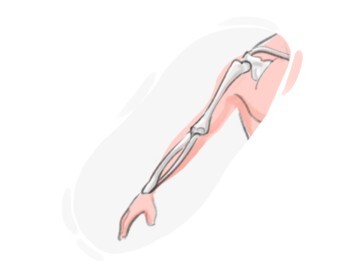
bone
bone
[noun]

any of the hard pieces making up the skeleton in humans and some animals
Ex: She twisted her ankle and felt a shooting pain in the bone. 
Close
Sign in
discovery
discovery
[noun]

something that is discovered

Close
Sign in
today
today
[Adverb]

at the present time

Ex: Thousands of students across the country today are protesting for better educational resources. 
Close
Sign in
protected
protected
[Adjective]

keeping something safe from harm, loss, or danger
Ex: The encrypted files are protected from unauthorized access, ensuring the security of sensitive information. 
Close
Sign in
to visit
to visit
[Verb]

to go somewhere for a short time, especially to see something
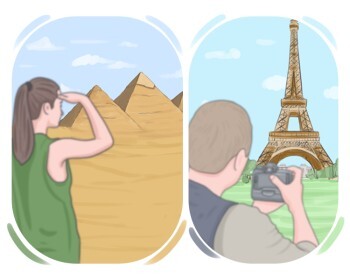
Ex: During their vacation, they planned to visit famous landmarks and historical sites in the city. 
Close
Sign in
to call
to call
[Verb]

to give a name or title to someone or something

Ex: Do you know anyone called Emily? 
Close
Sign in
prehistory

the era in human history from which we have no written record

Close
Sign in
Greece
Greece
[noun]

a country with a long history and rich culture located in South Eastern Europe and Northern Mediterranean Sea
Ex: Greece is famous for its historical sites and beautiful islands. 
Close
Sign in
stone
stone
[noun]

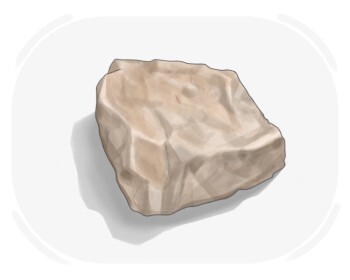
a hard material, usually made of minerals, and often used for building things
Ex: The old castle was built entirely of stone, giving it a sturdy and imposing appearance. 
Close
Sign in
structure
structure
[noun]

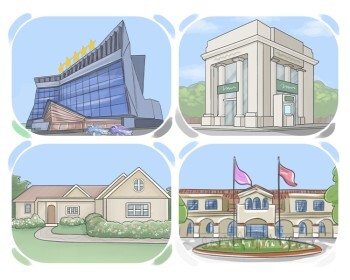
anything that is built from several parts, such as a house, bridge, etc.
Ex: The Eiffel Tower in Paris is an iconic structure made of iron lattice. 
Close
Sign in
France
France
[noun]

a country in Europe known for its famous landmarks such as the Eiffel Tower
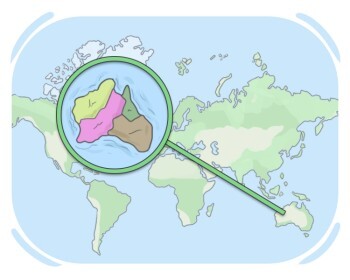
Ex: France is known for its rich history and cultural heritage. 
Close
Sign in
region
region
[noun]

a large area of land or of the world with specific characteristics, which is usually borderless
Ex: Different regions of the country experience varying weather patterns. 
Close
Sign in
northwest
northwest
[noun]

the direction midway between north and west
Ex: If you look to the northwest, you can see the mountain range. 
Close
Sign in
to build
to build
[Verb]

to put together different materials such as brick to make a building, etc.

Ex: The construction crew is building a new office complex downtown. 
Close
Sign in
over
over
[preposition]

used to express exceeding a particular amount, level, or limit

Ex: The rainfall was over 20 inches during the storm. 
Close
Sign in
monument
monument
[noun]

a structure built in honor of a public figure or a special event
Ex: The towering monument was erected in honor of the soldiers who fought bravely in the war. 
Close
Sign in
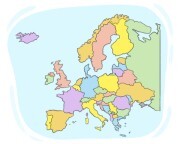
Europe
Europe
[noun]

the second smallest continent‌, next to Asia in the east, the Atlantic Ocean in the west, and the Mediterranean Sea in the south

Ex: Europe has a well-developed transportation system. 
Close
Sign in
rock
rock
[noun]

a solid material forming part of the earth's surface, often made of one or more minerals
Ex: She collected interesting rocks during her trip to the beach. 
Close
Sign in
to pile
to pile
[Verb]

to lay things on top of each other

Ex: The librarian piled books on the table as she sorted them into different categories. 
Close
Sign in
about
about
[Adverb]

used with a number to show that it is not exact
Ex: There were about 20 people at the party. 
Close
Sign in
burial
burial
[noun]

the act of burying a dead body or the ceremony in which a dead body is buried

Ex: The burial took place at sunset in the family cemetery. 
Close
Sign in
neolithic
neolithic
[Adjective]

related to the latest part of the Stone Age when humans used stones as tools and weapons
Close
Sign in
tool
tool
[noun]

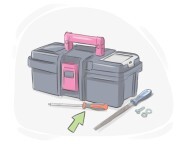
something such as a hammer, saw, etc. that is held in the hand and used for a specific job
Ex: The carpenter used a hammer as his primary tool for driving nails. 
Close
Sign in
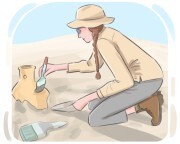
archeologist

a person whose job is to study ancient societies using facts, objects, buildings, etc. remaining in excavation sites
Close
Sign in
cairn
cairn
[noun]

a mound of stones piled up as a memorial or to mark a boundary or path

Close
Sign in
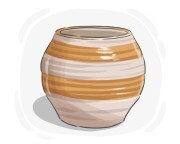
pottery
pottery
[noun]

pots, dishes, etc. that are made of clay by hand and then baked in a kiln to be hardened

Close
Sign in
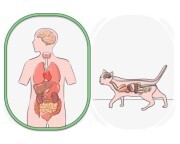
human
human
[Adjective]

related or belonging to people, not machines or animals

Ex: The human brain is capable of remarkable feats of creativity and innovation. 
Close
Sign in
LanGeek
Download LanGeek app