
Kniha Headway - Předstředně pokročilý - Jednotka 6
Zde najdete slovní zásobu z jednotky 6 v učebnici Headway Pre-Intermediate, jako je "fotograf", "odpadní vody", "rezerva" atd.
Revize
Kartičky
tvary
Pravopis
Kvíz

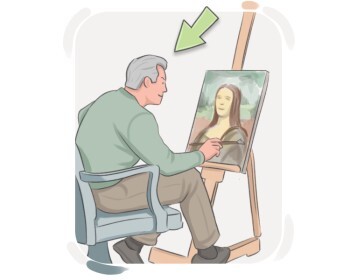
someone who creates drawings, sculptures, paintings, etc. either as their job or hobby

umělec, malíř
Pouliční umělec kreslil portréty pro kolemjdoucí.

someone whose hobby or job is taking photographs
fotograf, pořizovatel fotografií
Najala si fotografa, aby pořídil rodinné portréty pro jejich sváteční přání.
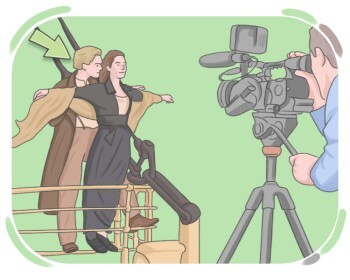
someone whose job involves performing in movies, plays, or series
herec, umělec
Talentovaný herec bez námahy ztvárnil širokou škálu postav, od hrdiny po padoucha.

someone who works in the government or a law-making organization
politik, státník
Voliči očekávají od svých politiků poctivost.
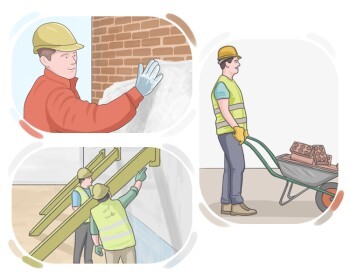
someone who builds or repairs houses and buildings, often as a job
stavitel, zedník
Požádala stavitele, aby přidal do obývacího pokoje další okno.
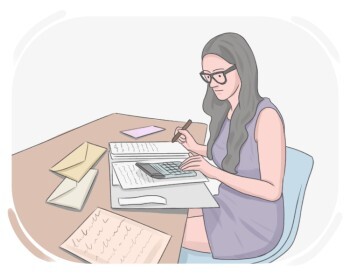
someone whose job is to keep or check financial accounts
účetní, ekonom
Účetní poradila svému klientovi, jak optimalizovat výdaje, aby se zlepšila celková ziskovost.

a professional who studies and analyzes economic theories, trends, and data to provide insights into economic issues
ekonom
Nobelova cena za ekonomii byla udělena ekonomovi za jeho příspěvky k teorii her.
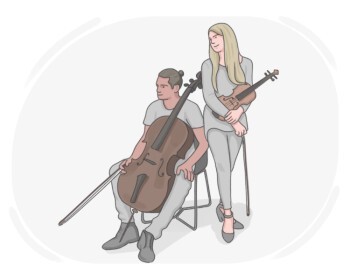
someone who plays a musical instrument or writes music, especially as a profession
hudebník, instrumentalista
Mladý hudebník vyhrál stipendium na prestižní hudební školu.
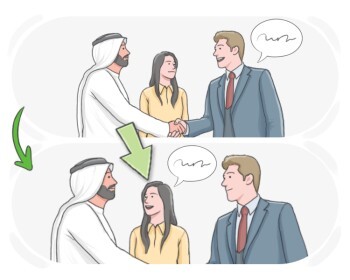
someone who verbally changes the words of a language into another
tlumočník, ústní překladatel
Turistický průvodce působil jako tlumočník pro skupinu v cizí zemi.
someone whose job is to change written or spoken words from one language to another
překladatel, překladatelka
Studuje, aby se stala lékařským překladatelem a pomáhala s komunikací s pacienty.

someone who makes or designs something that did not exist before
vynálezce, tvůrce
Alexander Graham Bell, vynálezce telefonu, navždy změnil způsob, jakým lidé komunikují na velké vzdálenosti.
someone who deals with electrical equipment, such as repairing or installing them
elektrikář, elektrotechnik
Konzultovali elektrikáře, aby vyřešili problém s blikajícím světlem.
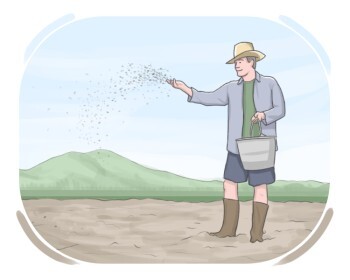
someone who has a farm or manages a farm
zemědělec, farmář
Farmář vstává brzy, aby podojil krávy.
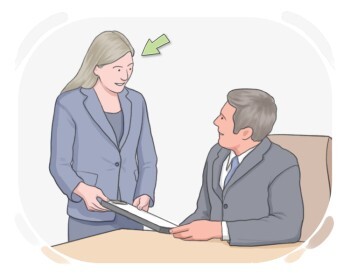
a person who helps someone in their work
asistent, pomocník
Výzkumný asistent pomáhá shromažďovat data pro studii.
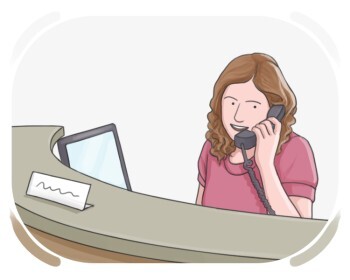
a person who greets and deals with people arriving at or calling a hotel, office building, doctor's office, etc.
recepční, pracovník recepce
Měli byste se zeptat recepčního na cestu do konferenční místnosti.
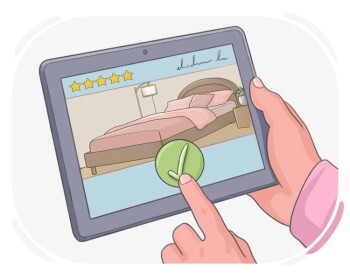
the act of arranging something, such as a seat or a hotel room to be kept for you to use later at a particular time
rezervace
Jeho rezervace byla zrušena kvůli problému s platbou.
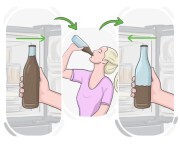
to set something aside and keep it for future use
rezervovat, odložit
Až dokončíte montáž knihovny, ponechte si několik šroubů pro případné budoucí úpravy.
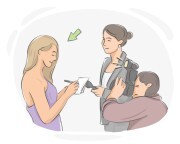
a state of being widely known or recognized, usually because of notable achievements, talents, or actions
sláva, proslulost
Její sláva jako autorky byla potvrzena vydáním jejího bestsellerového románu.

known by a lot of people
slavný, známý
Stala se slavnou přes noc poté, co její virální video získalo miliony zhlédnutí.

information or details that are given to make something clear or easier to understand
vysvětlení, objasnění
Podrobný výklad průvodce zvýšil jejich ocenění muzejní výstavy.
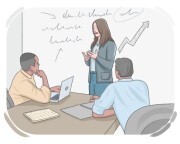
to make something clear and easy to understand by giving more information about it
vysvětlit, objasnit
Vysvětlil děj filmu svému příteli, který ho neviděl.
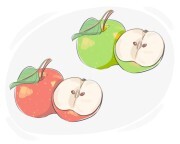
the way that two or more people or things are different from each other
rozdíl
Můžete vysvětlit rozdíl mezi těmito dvěma modely smartphonů?

not like another thing or person in form, quality, nature, etc.
jiný
Kniha měla jiný konec, než očekávala.

a written or spoken request to someone, asking them to attend a party or event
pozvání
Pozvánka obsahovala datum, čas a místo konání akce.
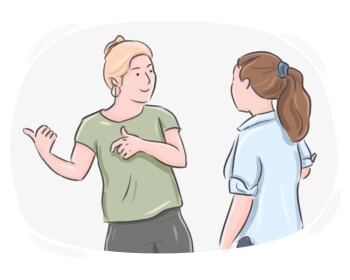
to make a formal or friendly request to someone to come somewhere or join something
pozvat, zvát
Každý pátek večer zve přátele na večeři.
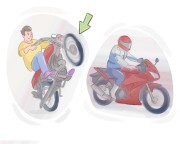
the likelihood of experiencing harm, damage, or injury
nebezpečí, riziko
Pití a řízení představuje nebezpečí.
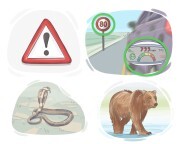
capable of destroying or causing harm to a person or thing
nebezpečný
Horská stezka je kluzká a považuje se za nebezpečnou.
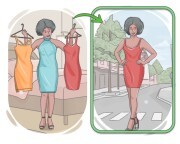
a choice or judgment that is made after adequate consideration or thought
rozhodnutí, volba
Po dlouhém uvažování se konečně rozhodla věnovat kariéře v medicíně.
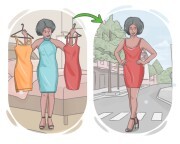
to think carefully about different things and choose one of them
rozhodnout se, rozhodovat se
Musel se rozhodnout, zda přijme nabídku práce.

the fact of reaching what one tried for or desired
úspěch, úspěšnost
Jeho tvrdá práce a odhodlání nakonec vedly k úspěchu, o který usiloval.

getting the results you hoped for or wanted
úspěšný, zdařilý
Je úspěšnou autorkou s mnoha bestsellery.
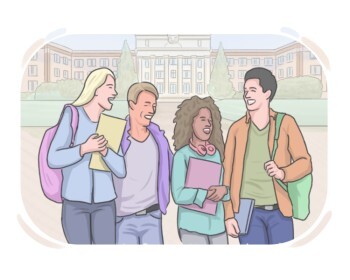
a person who is studying at a school, university, or college
student, žák
Můžeš se představit novému studentovi ve třídě?

a detailed and careful consideration and examination
studie, analýza
Výzkumný tým provedl důkladnou studii, aby analyzoval účinky klimatických změn na místní ekosystémy.
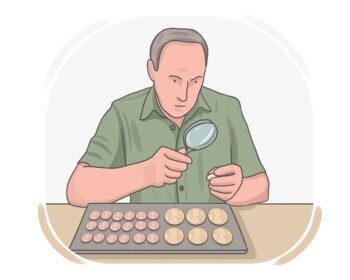
a group of particular objects put together and considered as a whole
sbírka, kolekce
Obdivovali umělcovu novou kolekci abstraktních obrazů v galerii.

to gather together things from different places or people
sbírat, shromažďovat
Studenti byli instruováni, aby sbírali listy pro svůj biologický projekt.
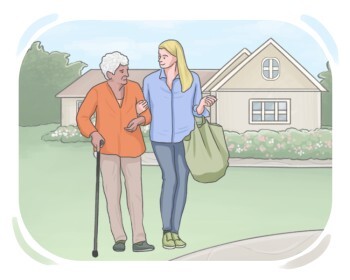
an action that is caring, kind, or helpful
laskavost, dobrota
Byl ohromen laskavostí cizích lidí, kteří mu pomohli poté, co se mu na dálnici porouchalo auto.
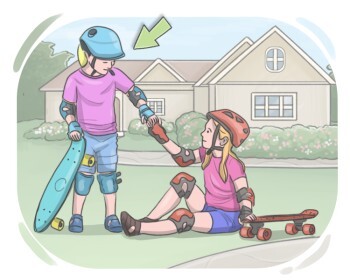
nice and caring toward other people's feelings
laskavý, milý
Psát děkovné poznámky po obdržení dárků je laskavé gesto.
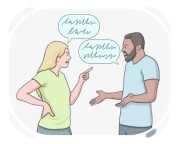
a discussion, typically a serious one, between two or more people with different views
argument, diskuse
Měli hádku o tom, kam jet na dovolenou.

to speak to someone often angrily because one disagrees with them
hádat se, přít se
On se hádá se všemi v práci; je to tak otravné!
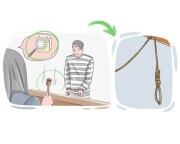
to kill someone, especially as a legal penalty
popravit, vykonat trest smrti
Mezinárodní organizace pro lidská práva často odsuzují vlády, které popravují jednotlivce bez spravedlivého soudu nebo řádného právního zastoupení.
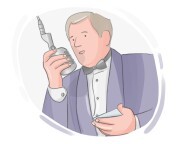
to make plans or decisions known by officially telling people about them
oznámit, vyhlásit
Oznámila svůj odchod, čímž překvapila všechny v kanceláři.
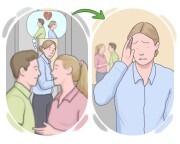
to intentionally stay away from or refuse contact with someone
vyhnout se, vyhýbat se
Na večírku se mu vyhýbali, předstírali, že si jeho přítomnosti nevšimli.
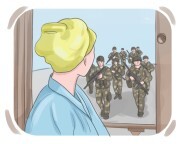
to enter a territory using armed forces in order to occupy or take control of it
vtrhnout, vojensky obsadit
Vlády po celém světě v současné době zvažují, zda napadnout nebo usilovat o diplomatická řešení.
a sum of money that has to be paid, based on one's income, to the government so it can provide people with different kinds of public services
daň
15. dubna je termín pro podání daňových přiznání ve Spojených státech.
something that helps or prompts someone to remember a task, event, or important information
připomínka, upozornění
Kalendář posílá automatické připomínky pro narozeniny a výročí.

to control and be in charge of a country
vládnout, panovat
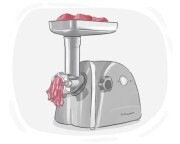
to cut meat or other food into very small pieces, usually using a meat grinder or a sharp knife
sekat
K výrobě domácí klobásy je třeba vepřové maso nasekat.
the waste water and other liquid waste from homes, businesses, and factories, usually carried away through pipes and treated
odpadní voda, kanalizace
Nesprávné zacházení s odpadními vodami může vést k šíření nemocí.
the quality of having the capacity to improve, succeed, or develop into something in the future
potenciál, možnost
Inovativní přístup startupu drží možnost narušit celé odvětví.
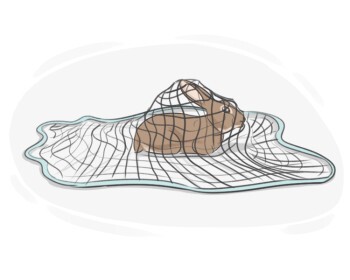
to catch an animal or a person and keep them as a prisoner
chytit, zajmout
Loni vědci odchytili exemplář vzácného druhu motýla.
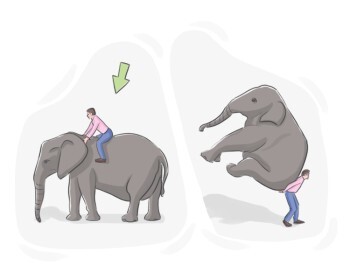
able to exist, happen, or be done
možný, uskutečnitelný
Abychom dosáhli nejlepšího možného výsledku, musíme spolupracovat.

a conversation with someone about a serious subject
diskuze, debata
Diskuse o navrhovaném zákonu trvala hodiny.

to talk about something with someone, often in a formal manner
diskutovat, projednávat
Chtěl prodiskutovat své obavy s manažerem před podáním formální stížnosti.
the general condition of a person's mind or body
zdraví, pohoda
Pravidelný pohyb a vyvážená strava jsou nezbytné pro udržení dobrého zdraví.
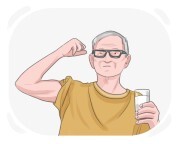
(of a person) not having physical or mental problems
zdravý, vitální
Učitel je rád, že všichni studenti jsou po zimních prázdninách zdraví.
