pattern

本 Headway - 初中級 - ユニット6

ここでは、Headway Pre-Intermediateコースブックのユニット6からの語彙を見つけることができます。例えば、「写真家」、「下水」、「保護区」などです。

レビュー

フラッシュカード

語形

綴り

クイズ

学習を開始
Headway - Pre-intermediate
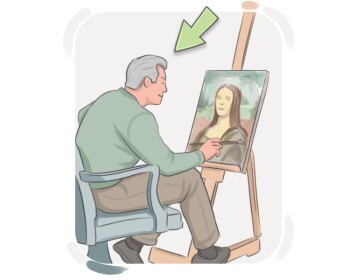
artist
artist
[名詞]

someone who creates drawings, sculptures, paintings, etc. either as their job or hobby

芸術家, 画家

芸術家, 画家

Ex: The music festival featured artists from around the world. 
photographer
photographer
[名詞]

a person who takes photographs as a job or hobby

写真家,  フォトグラファー

写真家, フォトグラファー

Ex: Emma works as a professional photographer. 
actor
actor
[名詞]

a person who performs a character in a movie, play, television program, or other dramatic production

a person who performs a character in a movie, play, television program, or other dramatic production

a person who performs a character in a movie, play, television program, or other dramatic production

Ex: Every actor in the play returned to the stage for a final bow. 
politician
politician
[名詞]

someone who works in the government or a law-making organization

政治家, 政治屋
政治家, 政治屋

Ex: The politician gave a speech in the park. 
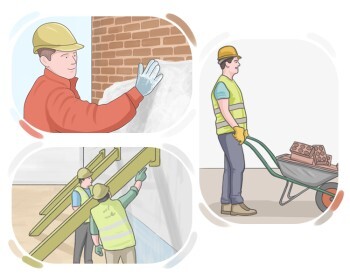
builder
builder
[名詞]

a person whose job is to construct or repair houses and other buildings

建築業者,  ビルダー

建築業者, ビルダー

Ex: We hired a local builder to repair the roof. 
accountant
accountant
[名詞]

a person whose job is to prepare, keep, or examine financial records and accounts

Ex: She works as an accountant for a small technology company. 
economist
economist
[名詞]

a person who studies economics or has expert knowledge of how economies work
Ex: Emma works as an economist for an international bank. 
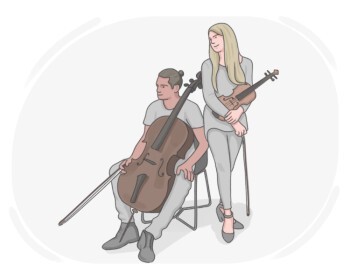
musician
musician
[名詞]

a person who plays, performs, or composes music, especially professionally

Ex: Emma works as a professional musician in New York. 
interpreter
interpreter
[名詞]

someone who verbally changes the words of a language into another

通訳, 口訳者

通訳, 口訳者

Ex: She hired an interpreter to assist with the business meeting in a foreign country. 

彼女は外国でのビジネス会議を支援するために通訳を雇った。

translator
translator
[名詞]

someone whose job is to change written or spoken words from one language to another

翻訳者, トランスレーター

翻訳者, トランスレーター

Ex: She works as a freelance translator, translating documents from English to Spanish. 

彼女はフリーランスの翻訳者として働き、英語からスペイン語への文書翻訳を行っています。

inventor
inventor
[名詞]

someone who makes or designs something that did not exist before

発明家, 創造者

発明家, 創造者

Ex: Thomas Edison is renowned as an inventor for creating the electric light bulb. 

トーマス・エジソンは、電球を発明した発明家として有名です。

electrician
electrician
[名詞]

someone who deals with electrical equipment, such as repairing or installing them

電気技師, 電気技術者

電気技師, 電気技術者

Ex: The electrician fixed the faulty wiring that caused the power outage. 

電気技師が停電を引き起こした故障した配線を修理しました。

farmer
farmer
[名詞]

someone who has a farm or manages a farm

農家, 農場主

農家, 農場主

Ex: The farmer hired workers to help with the harvest. 
assistant
assistant
[名詞]

a person who helps someone in their work

アシスタント, 助手

アシスタント, 助手

Ex: The office assistant always keeps all the files organized. 
receptionist
receptionist
[名詞]

a person who greets and deals with people arriving at or calling a hotel, office building, doctor's office, etc.

受付係, レセプショニスト

受付係, レセプショニスト

Ex: I left a message with the receptionist. 

私は受付係にメッセージを残しました。

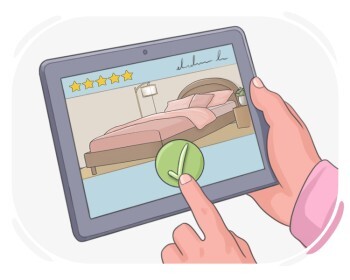
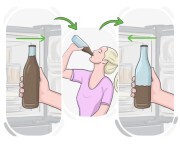
reservation
reservation
[名詞]

an arrangement made in advance to have a room, seat, table, or other service kept for someone

予約,  予約
予約, 予約

Ex: Emma made a reservation at the restaurant for eight o'clock. 
to reserve
to reserve
[動詞]

to set something aside and keep it for future use

予約する, 取っておく

予約する, 取っておく

Ex: After completing the first coat of paint, reserve some of the paint for touch-ups later. 
fame
fame
[名詞]

the state of being widely known or recognized by many people

Ex: The actress achieved international fame at a young age. 
famous
famous
[形容詞]

known by a lot of people

有名な, 著名な

有名な, 著名な

Ex: The famous singer performed to a sold-out crowd at the arena. 

有名な歌手は、アリーナで完売した観衆の前で演奏しました。

explanation
explanation
[名詞]

information or details that are given to make something clear or easier to understand

説明, 解説

説明, 解説

Ex: They requested an explanation for the delay in the project. 
to explain
to explain
[動詞]

to make something clear and easy to understand by giving more information about it

説明する, 解説する

説明する, 解説する

Ex: He struggled to explain his ideas clearly to the team. 
difference
difference
[名詞]

the way that two or more people or things are different from each other

違い

違い

Ex: The teacher asked the students to identify the differences between the two historical periods. 
different
different
[形容詞]

not like another thing or person in form, quality, nature, etc.

異なる

異なる

Ex: He had a different perspective on the movie. 
invitation
invitation
[名詞]

a spoken or written request asking someone to attend an event, go somewhere, or take part in something

a spoken or written request asking someone to attend an event, go somewhere, or take part in something

a spoken or written request asking someone to attend an event, go somewhere, or take part in something

Ex: Emma received an invitation to her cousin's wedding. 
to invite
to invite
[動詞]

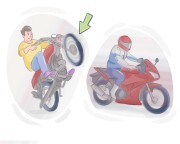
to make a formal or friendly request to someone to come somewhere or join something

招待する, 招く
招待する, 招く

Ex: She invites friends over for dinner every Friday night. 
danger
danger
[名詞]

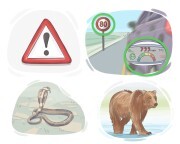
the likelihood of experiencing harm, damage, or injury

危険,  リスク
危険, リスク

Ex: Drinking and driving poses a danger. 
dangerous
dangerous
[形容詞]

capable of destroying or causing harm to a person or thing

危険な

危険な

Ex: Crossing the road without looking is dangerous. 

見ずに道路を横断するのは危険です。

decision
decision
[名詞]

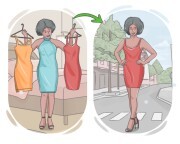
a choice or judgment that is made after adequate consideration or thought

決定, 選択
決定, 選択

Ex: It's important to take your time when making a significant decision that could impact your future. 
to decide
to decide
[動詞]

to think carefully about different things and choose one of them

決める, 決定する

決める, 決定する

Ex: Let's decide on a movie to watch tonight. 
success
success
[名詞]

the fact of reaching what one tried for or desired

成功, 達成

成功, 達成

Ex: Despite initial setbacks, the team's collaborative efforts ultimately culminated in a resounding success. 
successful
successful
[形容詞]

getting the results you hoped for or wanted

成功した, うまくいった

成功した, うまくいった

Ex: After years of practice, he became a successful musician. 

何年もの練習の後、彼は成功した音楽家になりました。

student
student
[名詞]

a person who is studying at a school, university, or college

学生, 生徒

学生, 生徒

Ex: The student raises their hand to answer the teacher's question. 
study
study
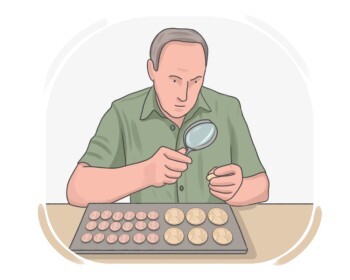
[名詞]

a detailed and careful consideration and examination

研究, 分析
研究, 分析

Ex: He wrote a comprehensive study on the economic impacts of tourism in the region. 
collection
collection
[名詞]

a group of particular objects put together and considered as a whole

コレクション, 収集

コレクション, 収集

Ex: The library's rare book collection attracted scholars from around the world. 
to collect
to collect
[動詞]

to gather together things from different places or people

集める, 収集する

集める, 収集する

Ex: The students were instructed to collect leaves for their biology project. 
kindness
kindness
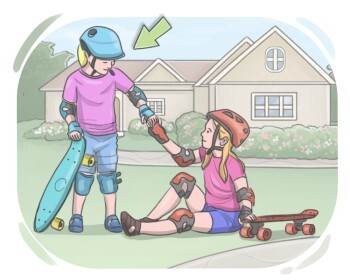
[名詞]

an action that is caring, kind, or helpful

親切, 優しさ

親切, 優しさ

Ex: Her kindness was evident when she volunteered at the animal shelter every weekend. 

彼女が毎週末動物保護施設でボランティアをしていた時、彼女の優しさは明らかだった。
kind
kind
[形容詞]

nice and caring toward other people's feelings

親切な, 優しい

親切な, 優しい

Ex: She's always kind to everyone she meets. 
argument
argument
[名詞]

a discussion, typically a serious one, between two or more people with different views

議論, 討論

議論, 討論

Ex: Their constant arguments are causing problems in the relationship. 
to argue
to argue
[動詞]

to speak to someone often angrily because one disagrees with them

言い争う, 口論する
言い争う, 口論する

Ex: I hate to argue with my parents, but this time they were wrong. 
to execute
to execute
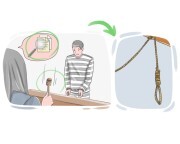
[動詞]

to kill someone as a legal punishment

処刑する

処刑する

Ex: The prisoner was executed after being convicted of treason. 
to announce
to announce
[動詞]

to make plans or decisions known by officially telling people about them

発表する, 告知する

発表する, 告知する

Ex: The coach is announcing the starting lineup for the championship game. 
to avoid
to avoid
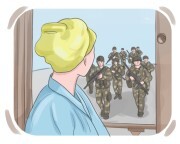
[動詞]

to intentionally stay away from or refuse contact with someone

避ける, 回避する
避ける, 回避する

Ex: After their disagreement, he avoided her in the work place. 
to invade
to invade
[動詞]

to enter a territory using armed forces in order to occupy or take control of it

侵略する, 軍事占領する

侵略する, 軍事占領する

Ex: The army decided to invade the neighboring country to secure vital resources. 

軍隊は重要な資源を確保するために隣国を侵略することを決めた。

tax
tax
[名詞]

a sum of money that has to be paid, based on one's income, to the government so it can provide people with different kinds of public services

税

税

Ex: The company hired a tax consultant to ensure compliance with the latest tax laws and regulations. 
reminder
reminder
[名詞]

something that causes someone to remember a person, event, fact, or experience

リマインダー,  思い出させるもの

リマインダー, 思い出させるもの

Ex: The scar is a permanent reminder of the accident. 
to rule
to rule
[動詞]

to control and be in charge of a country

統治する, 支配する
統治する, 支配する

Ex: The monarch ruled the kingdom with absolute authority. 
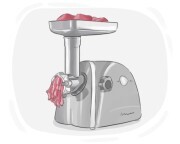
to mince
to mince
[動詞]

to cut meat or other food into very small pieces, usually using a meat grinder or a sharp knife

刻む

刻む

Ex: Mince the garlic cloves finely before adding them to the sauce. 

ソースに加える前にニンニクの欠片を細かく刻みます。

sewage
sewage
[名詞]

the waste water and other liquid waste from homes, businesses, and factories, usually carried away through pipes and treated

下水,  汚水

下水, 汚水

Ex: The city is upgrading its sewage system to prevent flooding. 

その都市は洪水を防ぐために下水システムをアップグレードしています。

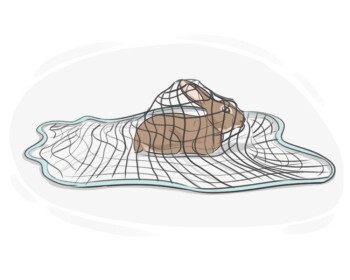
possibility
possibility
[名詞]

the quality of having the capacity to improve, succeed, or develop into something in the future

可能性, 潜在能力
可能性, 潜在能力

Ex: The company sees the possibility of expanding internationally in the next few years. 
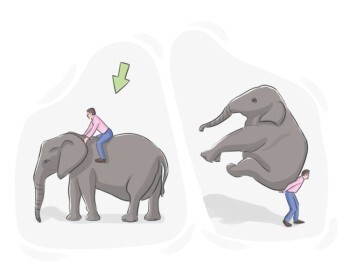
to capture
to capture
[動詞]

to catch an animal or a person and keep them as a prisoner

捕まえる, 捕獲する
捕まえる, 捕獲する

Ex: She has captured rare insects for her research on biodiversity. 
possible
possible
[形容詞]

able to exist, happen, or be done

可能な, 実行可能な

可能な, 実行可能な

Ex: Even when it seems unlikely, making new friends in a new city is possible. 

たとえそう思えなくても、新しい街で新しい友達を作ることは可能です。

discussion
discussion
[名詞]

a conversation with someone about a serious subject

議論,  討論

議論, 討論

Ex: The book club's discussion focused on the themes of the novel. 
to discuss
to discuss
[動詞]

to talk about something with someone, often in a formal manner

議論する, 話し合う

議論する, 話し合う

Ex: The manager discussed the sales targets with the staff. 
health
health
[名詞]

the general condition of a person's mind or body

健康, 体調

健康, 体調

Ex: The government launched a campaign to promote health awareness in the community. 
healthy
healthy
[形容詞]

(of a person) not having physical or mental problems

健康な, 健やかな

健康な, 健やかな

Ex: The healthy students were separated from the ones who had the flu. 
LanGeek
LanGeekアプリをダウンロード