
Kniha Total English - Pokročilý - Jednotka 9 - Slovní zásoba
Zde najdete slova z jednotky 9 - Slovní zásoba v učebnici Total English Advanced, jako je "propaganda", "citlivý", "zapadnout" apod.
Revize
Kartičky
Pravopis
Kvíz

the act or process of coming together again after being separated

shledání, setkání
Středoškolské setkání dalo starým spolužákům příležitost znovu se spojit.

an event in which people meet, either in person or online, to talk about something
schůze,setkání
Naučil jsem se hodně z výcvikového setkání minulý týden.
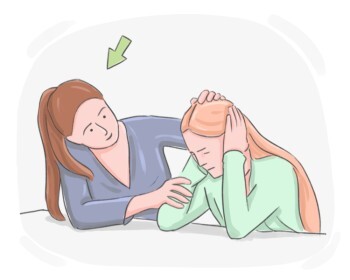
showing care and understanding toward other people, especially when they are not feeling good
soucitný,sympatický
Terapeut poskytl soucitné prostředí, ve kterém její klienti mohli sdílet své emoce.

(of a person or their manner) kind and nice toward other people
přátelský,milý
Navzdory své slávě je přátelský a přístupný člověk.
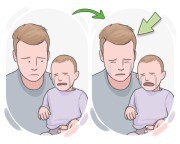
capable of understanding other people's emotions and caring for them
citlivý,empatický
Má citlivou povahu, vždy naladěnou na pocity těch kolem sebe.
showing good judgment and the ability to make reasonable decisions
to be accepted or integrated into a group of people who share a common cultural, social, or economic status
začlenit se,přizpůsobit se
Někdy může být těžké zapadnout do nové skupiny přátel, ale nakonec našla své místo.
to be convenient, agreeable, or acceptable to someone
the quality of having the capacity to improve, succeed, or develop into something in the future
potenciál,možnost
Nový stážista ukazuje velkou možnost růstu v rámci společnosti.

a situation or a chance where doing or achieving something particular becomes possible or easier
příležitost,šance
Přestěhování do města jí poskytlo příležitost věnovat se své vysněné kariéře v módě.
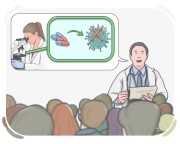
to show that something is true through the use of evidence or facts
dokázat, prokázat
Často dokazuje svůj názor pomocí dobře prozkoumaných argumentů.

to take actions to check the quality, reliability, or performance of something
testovat,zkontrolovat
at the same time as what is being stated
used to emphasize what is true or what really happened

information and statements that are mostly biased and false and are used to promote a political cause or leader
propaganda
Režim používal propagandu k ovládání vyprávění a udržení veřejné podpory.
a paid announcement that draws public attention to a product or service
reklama,oznámení
Společnost výrazně investovala do reklamy, aby zvýšila povědomí o značce.
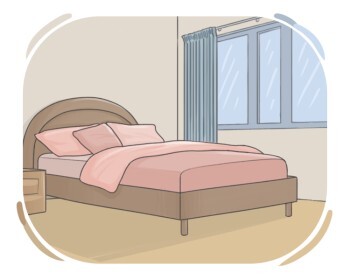
an accommodation that is currently unoccupied and open for use
volný pokoj,dostupné místo
Hospodský se omluvil — všechny volné pokoje byly zarezervovány.

a span of time which we do not work or go to school, and spend traveling or resting instead, particularly in a different city, country, etc.
dovolená,prázdniny
Potřebuji dovolenou, abych si odpočinul a dobil baterky.

simple, traditional, and appealing, with a timeless quality that stays in fashion regardless of trends
klasický,nadčasový
Měla na sobě klasické černé šaty, které vypadaly elegantně a nadčasově.
following a long-established, highly regarded, and standard form, style, or set of ideas
klasický
Klasický koncept krásy zdůrazňuje symetrii a rovnováhu.

to help a person in performing a task, achieving a goal, or dealing with a problem
pomáhat,asistovat
Učitel pomohl studentům porozumět složitému konceptu.

to be present at a meeting, event, conference, etc.
zúčastnit se,být přítomen
used to refer to the conclusion or outcome of a situation or event
nakonec,koneckonců
Zpočátku měl pochybnosti, ale nakonec důvěřoval svým instinktům.
