
Slovní zásoba pro IELTS General (Skóre 5) - Katastrofy
Zde se naučíte některá anglická slova související s katastrofami, která jsou nezbytná pro zkoušku IELTS General Training.
Revize
Kartičky
Pravopis
Kvíz

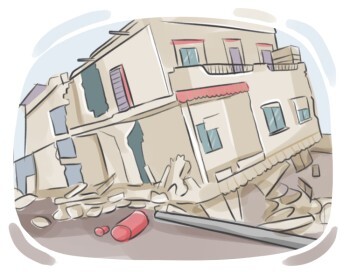
the sudden movement and shaking of the earth's surface, usually causing damage

zemětřesení, otřes
Náhlé zemětřesení vyděsilo všechny ve městě.
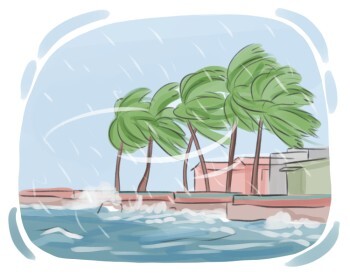
a very strong and destructive wind that moves in circles, often seen in the Caribbean
hurikán, cyklón
Zásoby jídla a vody si udělali jako přípravu na hurikán.
an unexpected and usually dangerous situation needing immediate attention or action
nouzová situace, mimořádná událost
Náhlý výpadek proudu byl energetickou společností považován za nouzovou situaci.
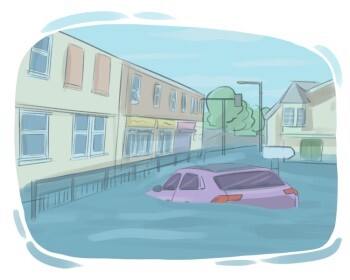
the rising of a body of water that covers dry places and causes damage
povodeň, potopa
Museli evakuovat svůj domov kvůli povodni.

the rapid spread of an infectious disease within a specific population, community, or region, affecting a significant number of individuals at the same time
epidemie, výskyt nemoci
Epidemie zatížila zdravotnický systém.
a disease that spreads across a large region or even across the world
pandemie, globální epidemie
Pandemie COVID-19 zasáhla téměř každého člověka na planetě.
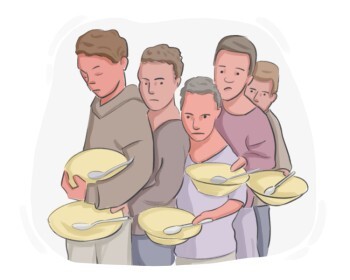
a situation where there is not enough food that causes hunger and death
hladomor, nedostatek potravin
Hladomor způsobil velké utrpení mezi obyvatelstvem.
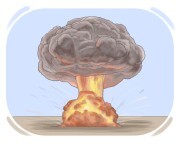
a sudden, forceful release of energy due to a chemical or nuclear reaction, causing rapid expansion of gases, loud noise, and often destruction
výbuch, detonace
Výbuch byl tak silný, že ho bylo slyšet z kilometrů daleka.
an accident that occurs when two or more objects, often in motion, come into violent contact with each other, resulting in damage or destruction
kolize, nehoda
Na parkovišti došlo k menší kolizi, když dvě auta couvala do sebe.
a situation where radioactive materials are released from a nuclear facility, posing environmental and health dangers
jaderná nehoda
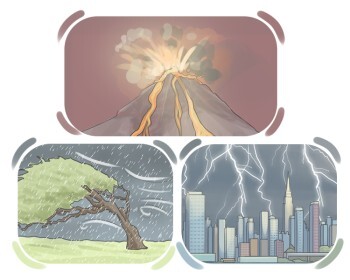
a sudden and unfortunate event that causes a great amount of death and destruction
katastrofa, pohroma
Vypuknutí nemoci bylo katastrofou pro veřejné zdraví.
