pattern

Inglés de Cambridge: KET (A2 Key) - Salud y Atención Médica

Revisión

Tarjetas de memoria

formas

Ortografía

Cuestionario

Empezar a aprender
Cambridge English: KET (A2 Key)
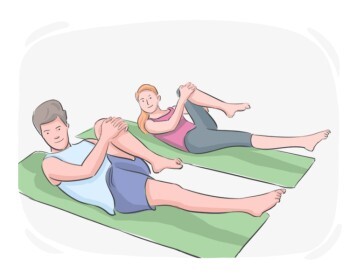
to exercise

to do physical activities or sports to stay healthy and become stronger

hacer ejercicio
hacer ejercicio

Ex: I try to exercise regularly to keep fit. 

Intento hacer ejercicio regularmente para mantenerme en forma.

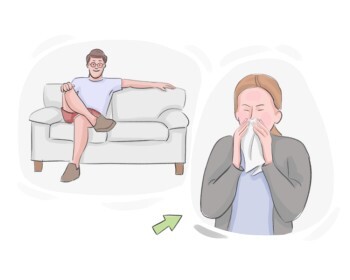
healthy
healthy
[Adjetivo]

(of a person) not having physical or mental problems

sano
sano

Ex: She's a healthy young woman who exercises regularly. 

Ella es una joven saludable que hace ejercicio regularmente.

unhealthy
unhealthy
[Adjetivo]

not having a good physical or mental condition

poco saludable, malsano

poco saludable, malsano

Ex: Prolonged stress can make you feel unhealthy and tired. 

El estrés prolongado puede hacerte sentir enfermizo y cansado.

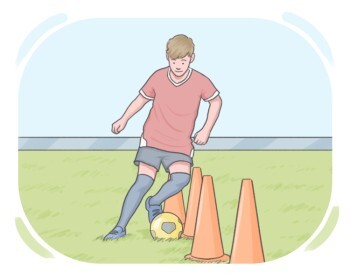
to improve
to improve
[Verbo]

to make a person or thing better

mejorar, aumentar
mejorar, aumentar

Ex: The renovations are expected to improve the appearance of the old building. 

Se espera que las renovaciones mejoren la apariencia del edificio antiguo.

to train
to train
[Verbo]

to exercise in preparation for an sports event or competition

entrenar

entrenar

Ex: She is training for her first triathlon next month. 

Ella se está entrenando para su primer triatlón el próximo mes.

to [feel] sick

to experience the sensation that one might vomit

Ex: She felt sick after eating something that didn’t sit well. 
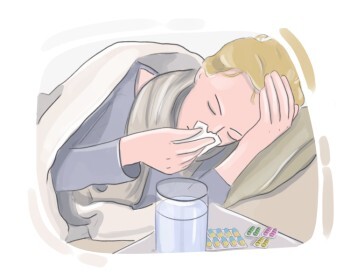
to go
to go
[Verbo]

to attend or visit somewhere with a specific purpose in mind

ir
ir

Ex: He goes to the barber every month. 

Él va a la barbería todos los meses.

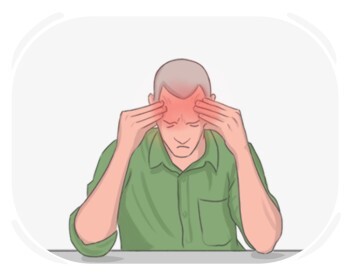
cold
cold
[Sustantivo]

a mild disease that we usually get when viruses affect our body and make us cough, sneeze, or have fever

resfriado
resfriado

Ex: If you have a cold, it's best to rest and drink plenty of fluids. 

Si tienes un resfriado, lo mejor es descansar y beber muchos líquidos.

headache
headache
[Sustantivo]

a pain in the head, usually persistent

dolor de cabeza
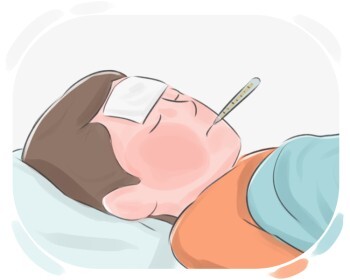
dolor de cabeza

Ex: I can't concentrate on this report; I've got a terrible headache. 

No puedo concentrarme en este informe; tengo un dolor de cabeza terrible.

temperature
temperature
[Sustantivo]

a condition characterized by a body temperature above the normal range, often indicating an immune response to infection or illness within the body

fiebre, temperatura alta
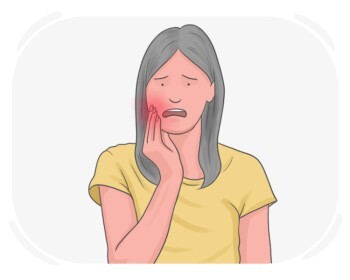
fiebre, temperatura alta

Ex: Children often experience a rise in temperature during common illnesses, such as the flu or cold. 

Los niños a menudo experimentan un aumento de la temperatura durante enfermedades comunes, como la gripe o el resfriado.

toothache
toothache
[Sustantivo]

pain felt in a tooth or several teeth

dolor de muelas

dolor de muelas

Ex: He couldn't eat his ice cream because of his toothache. 

No podía comer su helado debido a su dolor de muelas.
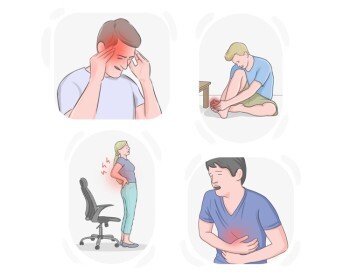
to hurt
to hurt
[Verbo]

to feel pain in a part of the body

doler
doler

Ex: He said his tooth hurt every time he drank something cold. 

Dijo que su diente le dolía cada vez que bebía algo frío.

to lie down

to put one's body in a flat position in order to sleep or rest

acostarse, tumbarse

acostarse, tumbarse

Ex: The weary traveler lay down on the bed, eager to escape the hustle and bustle of the city. 

El cansado viajero se acostó en la cama, ansioso por escapar del bullicio de la ciudad.
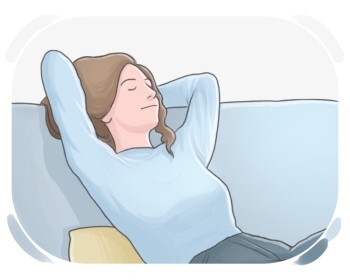
to rest
to rest
[Verbo]

to stop working, moving, or doing an activity for a period of time and sit or lie down to relax

descansar
descansar

Ex: Please rest and take a break before you continue with your tasks. 

Por favor descansa y toma un descanso antes de continuar con tus tareas.

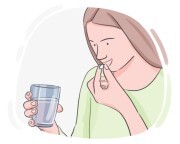
to take
to take
[Verbo]

to consume a drug, medication, or substance in a specified manner, such as swallowing, inhaling, or injecting

tomar

tomar

Ex: The doctor advised him to take the cough syrup every six hours until the symptoms improved. 

El médico le aconsejó que tomara el jarabe para la tos cada seis horas hasta que los síntomas mejoraran.

to ache
to ache
[Verbo]

to feel a prolonged physical pain in a part of one's body, especially one that is not severe

doler

doler

Ex: When the weather changes, some people's joints ache due to sensitivity. 

Cuando el clima cambia, las articulaciones de algunas personas duelen debido a la sensibilidad.
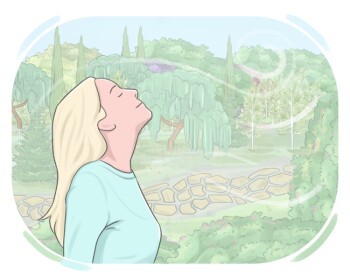
to feel
to feel
[Verbo]

to experience a particular emotion

sentir
sentir

Ex: She felt embarrassed when she realized her mistake. 

Ella se sintió avergonzada cuando se dio cuenta de su error.

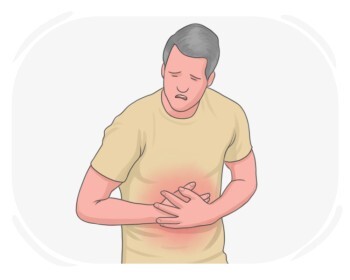
stomachache
stomachache
[Sustantivo]

a pain in or near someone's stomach

dolor de estómago

dolor de estómago

Ex: She felt a stomach ache coming on after the roller coaster ride. 

Ella sintió que le venía un dolor de estómago después del paseo en la montaña rusa.
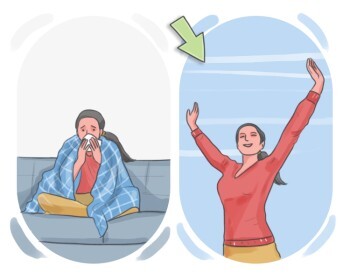
fine
fine
[Adjetivo]

feeling well or in good health

saludable, feeling OK or good

saludable, feeling OK or good

Ex: The car was damaged, but thankfully, the driver and passengers were fine. 

El coche resultó dañado, pero afortunadamente, el conductor y los pasajeros estaban bien.

ambulance
ambulance
[Sustantivo]

‌a vehicle specially equipped to take sick or injured people to a hospital

ambulancia

ambulancia

Ex: The ambulance raced through the busy city streets, moving through traffic to reach the hospital as quickly as possible. 

La ambulancia recorrió las concurridas calles de la ciudad, abriéndose paso entre el tráfico para llegar al hospital lo más rápido posible.

pharmacy
pharmacy
[Sustantivo]

a shop where medicines are sold

farmacia

farmacia

Ex: The local pharmacy provides vaccination services and health consultations. 

La farmacia local ofrece servicios de vacunación y consultas de salud.
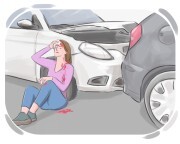
accident
accident
[Sustantivo]

a situation where vehicles hit each other or a person is hit by a vehicle

accidente
accidente

Ex: The insurance company investigated the accident to determine liability. 

La compañía de seguros investigó el accidente para determinar la responsabilidad.

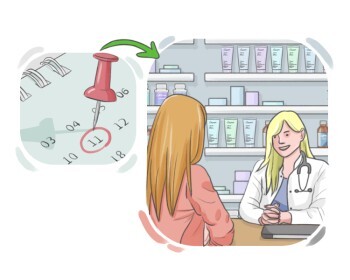
appointment
appointment
[Sustantivo]

a planned meeting with someone, typically at a particular time and place, for a particular purpose

cita
cita

Ex: I have a dentist appointment at 3 pm. 

Tengo una cita con el dentista a las 3 pm.

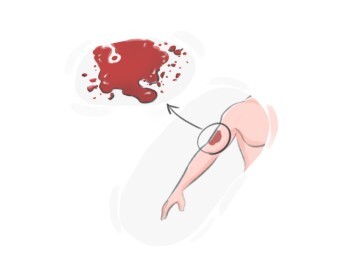
blood
blood
[Sustantivo]

the red liquid that the heart pumps through the body, carrying oxygen to and carbon dioxide from the tissues

sangre
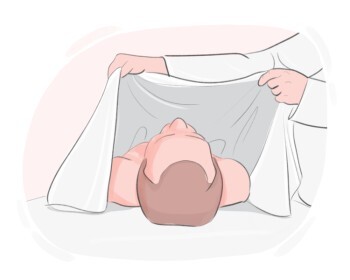
sangre

Ex: The doctor drew a small amount of blood for a routine test. 

El médico extrajo una pequeña cantidad de sangre para una prueba de rutina.

dead
dead
[Adjetivo]

not alive anymore

muerto

muerto

Ex: I saw a dead bird on the pavement. 

Vi un pájaro muerto en la acera.

to die
to die
[Verbo]

to no longer be alive

morir

morir

Ex: Despite the efforts of the medical team, the patient succumbed to their illness and died peacefully. 

A pesar de los esfuerzos del equipo médico, el paciente sucumbió a su enfermedad y murió pacíficamente.

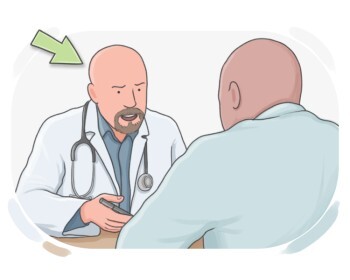
doctor
doctor
[Sustantivo]

someone who has studied medicine and treats sick or injured people

médico
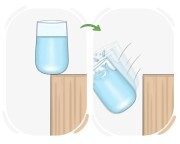
médico

Ex: The doctor asked me about my symptoms and medical history to make a diagnosis. 

El médico me preguntó acerca de mis síntomas y mi historial médico para hacer un diagnóstico.

to fall
to fall
[Verbo]

to quickly move from a higher place toward the ground

caerse

caerse

Ex: She loses her balance and falls backwards. 

Ella pierde el equilibrio y cae hacia atrás.

health
health
[Sustantivo]

the general condition of a person's mind or body

salud
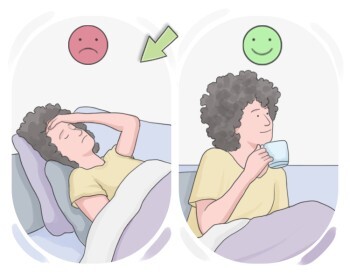
salud

Ex: Mental health is just as important as physical health and should be prioritized in our daily lives. 

La salud mental es tan importante como la salud física y debe ser priorizada en nuestra vida diaria.

ill
ill
[Adjetivo]

not in a fine mental or physical state

enfermo, malo

enfermo, malo

Ex: Many students were ill with the flu, causing the school to close temporarily. 

Muchos estudiantes estaban enfermos con la gripe, lo que provocó el cierre temporal de la escuela.

pain
pain
[Sustantivo]

the unpleasant feeling caused by an illness or injury

dolor
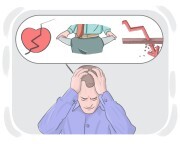
dolor

Ex: The dentist gave me medicine to ease the pain. 

El dentista me dio medicina para aliviar el dolor.

problem
problem
[Sustantivo]

something that causes difficulties and is hard to overcome

problema

problema

Ex: John needs help from a mechanic to fix the engine problem in his motorcycle. 

John necesita la ayuda de un mecánico para arreglar el problema del motor de su motocicleta.

sick
sick
[Adjetivo]

not in a good and healthy physical or mental state

enfermo
enfermo

Ex: My father was so sick that he couldn't even get out of bed. 

Mi padre estaba tan enfermo que ni siquiera podía salir de la cama.

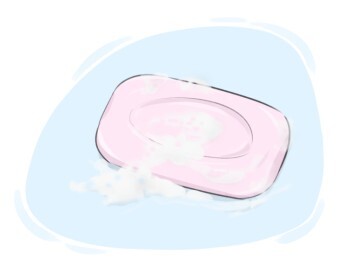
soap
soap
[Sustantivo]

the substance we use with water for washing and cleaning our body

jabón

jabón

Ex: I need to find a gentle soap for sensitive skin. 

Necesito encontrar un jabón suave para pieles sensibles.

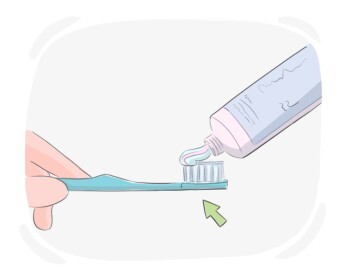
toothbrush
toothbrush
[Sustantivo]

a small brush with a long handle that we use for cleaning our teeth

cepillo de dientes

cepillo de dientes

Ex: The dentist recommended using an electric toothbrush for better cleaning. 

El dentista recomendó usar un cepillo de dientes eléctrico para una mejor limpieza.

LanGeek
Descargar la aplicación LanGeek