pattern

Cambridge English: KET (A2 Key) - Zdrowie i Opieka Medyczna

Przegląd

Fiszki

formy

Pisownia

Test

Zacznij naukę
Cambridge English: KET (A2 Key)
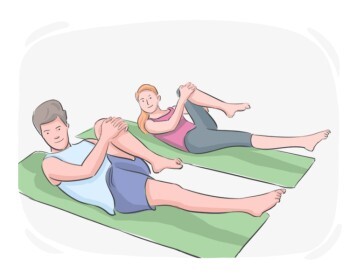
to exercise
to exercise
[Czasownik]

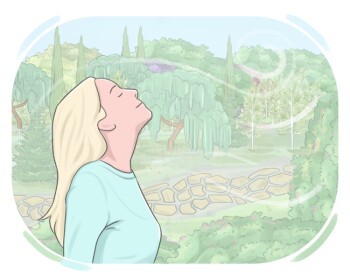
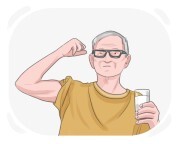
to do physical activities or sports to stay healthy and become stronger

ćwiczyć, trenować
ćwiczyć, trenować

Ex: We usually exercise in the morning to start our day energetically .

Zwykle ćwiczymy rano, aby rozpocząć dzień energicznie.

healthy
healthy
[przymiotnik]

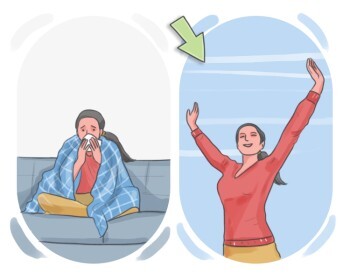
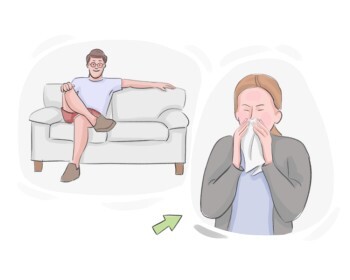
(of a person) not having physical or mental problems

zdrowy, krzepki
zdrowy, krzepki

Ex: The teacher is glad to see all the students are healthy after the winter break .

Nauczyciel cieszy się, widząc, że wszyscy uczniowie są zdrowi po zimowej przerwie.

unhealthy
unhealthy
[przymiotnik]

not having a good physical or mental condition

niezdrowy, chorobliwy

niezdrowy, chorobliwy

Ex: With her pale complexion and low energy , Lisa seemed unhealthy to her friends .

Z jej bladą cerą i niską energią Lisa wydawała się niezdrowa swoim przyjaciołom.

to improve
to improve
[Czasownik]

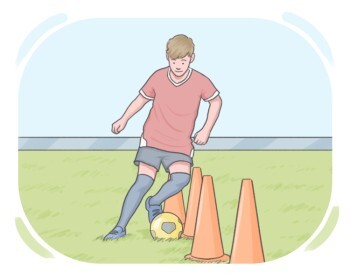
to make a person or thing better

poprawiać, udoskonalać
poprawiać, udoskonalać

Ex: She took workshops to improve her language skills for career advancement .

Wzięła udział w warsztatach, aby poprawić swoje umiejętności językowe dla awansu zawodowego.

to train
to train
[Czasownik]

to exercise in preparation for an sports event or competition

trenować, przygotowywać się

trenować, przygotowywać się

Ex: To improve your basketball skills , you must train daily .

Aby poprawić swoje umiejętności w koszykówce, musisz codziennie trenować.

to [feel] sick

to experience the sensation that one might vomit

Ex: I feel sick when I overeat at a party.
to go
to go
[Czasownik]

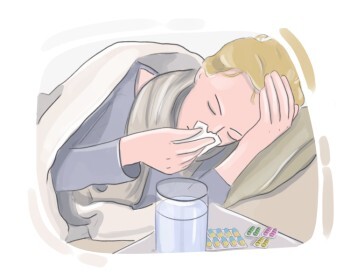
to attend or visit somewhere with a specific purpose in mind

iść, udać się
iść, udać się

Ex: You seem unwell; I think you should go to the doctor's.

Wyglądasz na chorego; myślę, że powinieneś pójść do lekarza.

cold
cold
[Rzeczownik]

a mild disease that we usually get when viruses affect our body and make us cough, sneeze, or have fever

przeziębienie, katar
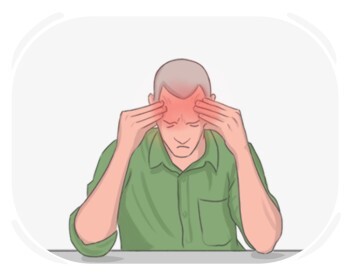
przeziębienie, katar

Ex: She could n't go to school because of a severe cold.

Nie mogła iść do szkoły z powodu ciężkiego przeziębienia.

headache
headache
[Rzeczownik]

a pain in the head, usually persistent

ból głowy
ból głowy

Ex: Too much caffeine can sometimes cause a headache.

Zbyt dużo kofeiny może czasami powodować ból głowy.

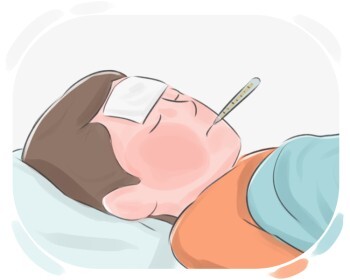
temperature
temperature
[Rzeczownik]

a condition characterized by a body temperature above the normal range, often indicating an immune response to infection or illness within the body

gorączka, wysoka temperatura
gorączka, wysoka temperatura

Ex: She felt unwell and checked her temperature, discovering it was significantly higher than normal .

Czuła się źle i sprawdziła swoją temperaturę, odkrywając, że jest znacznie wyższa niż zwykle.

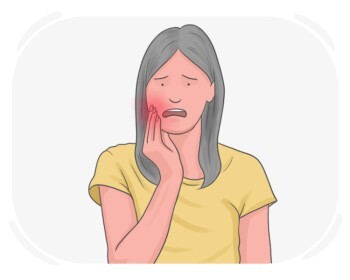
toothache
toothache
[Rzeczownik]

pain felt in a tooth or several teeth

ból zęba, zęboból

ból zęba, zęboból

Ex: She scheduled an appointment with her dentist to treat her toothache.

Umówiła się na wizytę u dentysty, aby leczyć swój ból zęba.

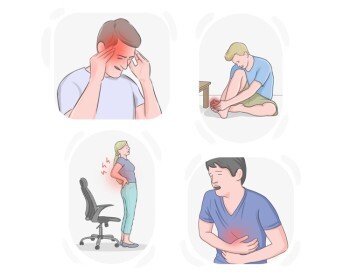
to hurt
to hurt
[Czasownik]

to feel pain in a part of the body

boleć,  ranić
boleć, ranić

Ex: My ears hurt when the airplane was descending .

Moje uszy bolały, gdy samolot schodził.

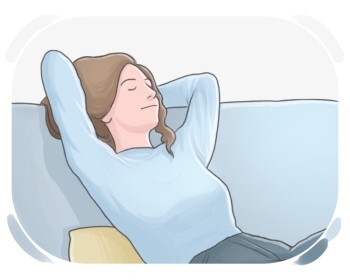
to lie down
to lie down
[Czasownik]

to put one's body in a flat position in order to sleep or rest

położyć się, odpocząć

położyć się, odpocząć

Ex: The doctor advised him to lie down if he felt dizzy .

Lekarz poradził mu, żeby położył się, jeśli poczuje zawroty głowy.

to rest
to rest
[Czasownik]

to stop working, moving, or doing an activity for a period of time and sit or lie down to relax

odpoczywać, relaksować się
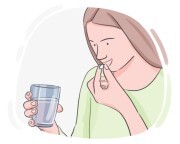
odpoczywać, relaksować się

Ex: The cat likes to find a sunny spot to rest and soak up the warmth .

Kot lubi znaleźć słoneczne miejsce, aby odpocząć i rozkoszować się ciepłem.

to take
to take
[Czasownik]

to consume a drug, medication, or substance in a specified manner, such as swallowing, inhaling, or injecting

brać, zażywać

brać, zażywać

Ex: The recovering addict struggled not to take any illicit substances during the rehabilitation process .

Uzależniony w trakcie rekonwalescencji starał się nie zażywać żadnych nielegalnych substancji podczas procesu rehabilitacji.

to ache
to ache
[Czasownik]

to feel a prolonged physical pain in a part of one's body, especially one that is not severe

boleć,  cierpieć

boleć, cierpieć

Ex: Her knees frequently ache during colder weather.

Jej kolana często bolą podczas chłodniejszej pogody.

to feel
to feel
[Czasownik]

to experience a particular emotion

czuć, doznawać
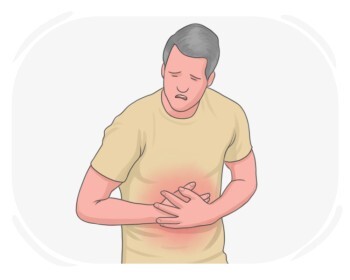
czuć, doznawać

Ex: I feel excited about the upcoming holiday .

Czuję podekscytowanie nadchodzącymi wakacjami.

stomachache
stomachache
[Rzeczownik]

a pain in or near someone's stomach

ból brzucha, ból żołądka

ból brzucha, ból żołądka

Ex: The stomachache was so severe that he had to visit the hospital .

Ból brzucha był tak silny, że musiał udać się do szpitala.

fine
fine
[przymiotnik]

feeling well or in good health

dobrze,w dobrym zdrowiu, feeling OK or good

dobrze,w dobrym zdrowiu, feeling OK or good

Ex: The injured athlete received medical attention and is expected to be fine soon .

Ranny sportowiec otrzymał pomoc medyczną i oczekuje się, że wkrótce będzie dobrze.

ambulance
ambulance
[Rzeczownik]

‌a vehicle specially equipped to take sick or injured people to a hospital

karetka pogotowia, ambulans

karetka pogotowia, ambulans

Ex: The ambulance pulled up in front of the hospital , and the paramedics quickly unloaded the patient .

Karetka podjechała pod szpital, a ratownicy medyczni szybko wyładowali pacjenta.

pharmacy
pharmacy
[Rzeczownik]

a shop where medicines are sold

apteka, drogeria

apteka, drogeria

Ex: They visited the pharmacy for advice on managing a chronic condition with medication .

Odwiedzili aptekę, aby uzyskać poradę na temat leczenia przewlekłej choroby lekami.

accident
accident
[Rzeczownik]

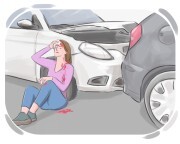
a situation where vehicles hit each other or a person is hit by a vehicle

wypadek, kolizja
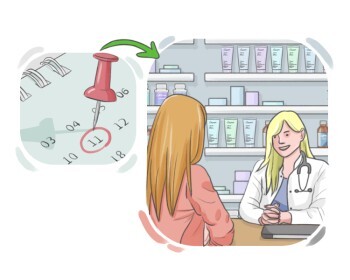
wypadek, kolizja

Ex: He called emergency services immediately after seeing the accident on the road .

Zadzwonił na pogotowie natychmiast po zobaczeniu wypadku na drodze.

appointment
appointment
[Rzeczownik]

a planned meeting with someone, typically at a particular time and place, for a particular purpose

spotkanie, wizyta
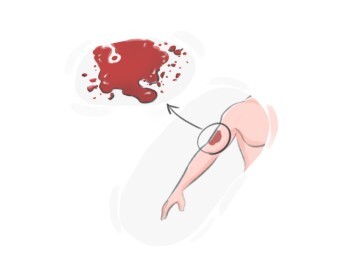
spotkanie, wizyta

Ex: They set an appointment to finalize the contract on Friday .

Umówili się na spotkanie, aby sfinalizować umowę w piątek.

blood
blood
[Rzeczownik]

the red liquid that the heart pumps through the body, carrying oxygen to and carbon dioxide from the tissues

krew
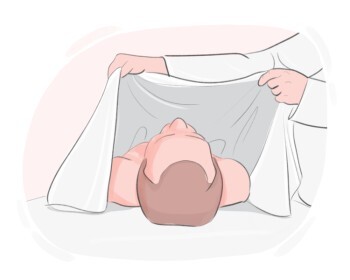
krew

Ex: When you get a cut , the blood might flow from the wound .

Kiedy się przetniesz, krew może wypływać z rany.

dead
dead
[przymiotnik]

not alive anymore

martwy, zmarły

martwy, zmarły

Ex: They mourned their dead dog for weeks .

Opłakiwali swojego martwego psa przez tygodnie.

to die
to die
[Czasownik]

to no longer be alive

umrzeć,  zmarnować
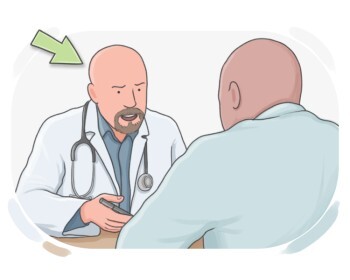
umrzeć, zmarnować

Ex: The soldier sacrificed his life , willing to die for the safety of his comrades .

Żołnierz poświęcił swoje życie, gotowy umrzeć dla bezpieczeństwa swoich towarzyszy.

doctor
doctor
[Rzeczownik]

someone who has studied medicine and treats sick or injured people

lekarz, doktor
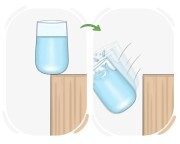
lekarz, doktor

Ex: We have an appointment with the doctor tomorrow morning for a check-up .

Mamy jutro rano wizytę u lekarza na badanie kontrolne.

to fall
to fall
[Czasownik]

to quickly move from a higher place toward the ground

upaść,  spadać

upaść, spadać

Ex: The leaves fall from the trees in autumn .

Liście spadają z drzew jesienią.

health
health
[Rzeczownik]

the general condition of a person's mind or body

zdrowie, samopoczucie
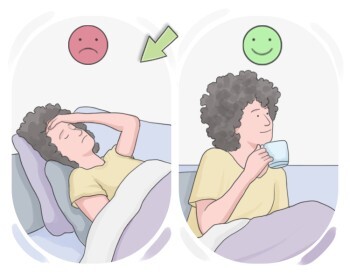
zdrowie, samopoczucie

Ex: He decided to take a break from work to focus on his health and well-being .

Postanowił zrobić przerwę w pracy, aby skupić się na swoim zdrowiu i dobrym samopoczuciu.

ill
ill
[przymiotnik]

not in a fine mental or physical state

chory, niedysponowany

chory, niedysponowany

Ex: The medication made her feel ill, so the doctor prescribed an alternative .

Lek sprawił, że poczuła się chora, więc lekarz przepisał alternatywę.

pain
pain
[Rzeczownik]

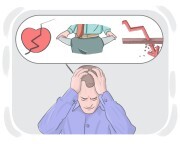
the unpleasant feeling caused by an illness or injury

ból
ból

Ex: The pain from his sunburn made it hard to sleep .

Ból spowodowany oparzeniem słonecznym utrudniał zasypianie.

problem
problem
[Rzeczownik]

something that causes difficulties and is hard to overcome

problem, trudność

problem, trudność

Ex: There was a problem with the delivery , and the package did n't arrive on time .

Wystąpił problem z dostawą i paczka nie dotarła na czas.

sick
sick
[przymiotnik]

not in a good and healthy physical or mental state

chory, mdłości
chory, mdłości

Ex: She was so sick, she missed the trip .

Była tak chora, że opuściła wycieczkę.

soap
soap
[Rzeczownik]

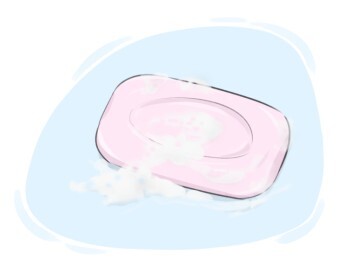
the substance we use with water for washing and cleaning our body

mydło, kostka mydła

mydło, kostka mydła

Ex: We used antibacterial soap to keep germs away .

Użyliśmy antybakteryjnego mydła, aby trzymać zarazki z daleka.

toothbrush
toothbrush
[Rzeczownik]

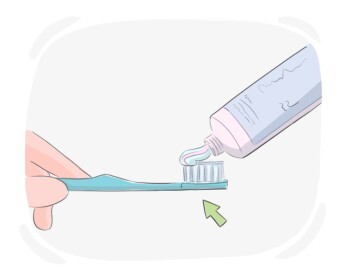
a small brush with a long handle that we use for cleaning our teeth

szczoteczka do zębów, szczotka do zębów

szczoteczka do zębów, szczotka do zębów

Ex: We should store our toothbrushes upright to allow them to air dry .

Powinniśmy przechowywać nasze szczoteczki do zębów w pozycji pionowej, aby mogły wyschnąć na powietrzu.

LanGeek
Pobierz aplikację LanGeek