
Cambridge English: CPE (C2 Proficiency) - Acciones Hostiles
Aprende vocabulario avanzado de CPE para acciones hostiles, incluyendo ataques, amenazas, intimidación, sabotaje, confrontación, represalias y actos deliberados contra otros.
Revisión
Tarjetas de memoria
formas
Ortografía
Cuestionario


to approach or address someone aggressively or boldly, often with an intent to engage in conversation

abordar
El mendigo agresivo está actualmente abordando a los transeúntes para pedirles cambio.
an action or remark intended to insult or show open disrespect
afrenta, insulto
Vandalizar el monumento fue considerado un afrenta a la comunidad.

to make one feel isolated or hostile toward a person or group
alienar
Los comentarios controvertidos lo alienaron del resto del grupo.
the extreme brutality of an action or behavior
atrocidad, barbarie
La atrocidad del ataque terrorista fue condenada por líderes de todo el mundo.
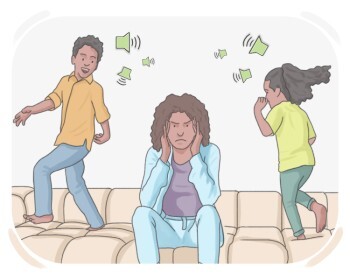
to trouble or harass someone repeatedly over time
acosar, hostigar
El político estaba asediado con preguntas sobre el escándalo.
to force a person into doing something by threatening or frightening them
intimidar
Fue intimidada para que se disculpara, aunque sintiera que tenía razón.
the act of compelling someone to act against their will by using force or threats
coacción
El régimen utilizó la coerción para silenciar la disidencia.

to cause a person to feel scared or unconfident
intimidar, acobardar
A pesar de su determinación, la complejidad de la tarea desanimó a la estudiante, haciéndola dudar de sus habilidades.

to make someone feel uneasy, embarrassed, or anxious
desconcertar
Un cumplido inesperado de su enamorado los desconcertó con una oleada de timidez.
to banish or force an individual to live in another country
expatriar
El criminal notorio fue expatriado a una isla distante para asegurar que ya no pudiera dañar a la sociedad.
to openly mock or ridicule someone or something with disdain or contempt
burlarse
Ella despreció la sugerencia, poniendo los ojos en blanco con incredulidad.
to encourage or provoke something, especially trouble or conflict
fomentar
El discurso estaba destinado a fomentar el miedo entre la gente.
to disturb or unsettle someone, causing them to feel worried or uneasy
perturbar
El cambio repentino en la actitud de su amigo lo perturbó, dejándolo sintiéndose incómodo acerca de su relación.
to overwhelm someone with a large amount of something, such as work, requests, or information
inundar, abrumar
Ella se sentía inundada de correos electrónicos cada mañana.
a sharp, clever, or critical response to a comment or action
réplica, respuesta mordaz
Su réplica calmada volvió las palabras del crítico contra él.
intended to destabilize or overthrow an existing system, institution, or authority
subversivo
Las autoridades prohibieron el libro por su contenido subversivo.
to involve someone in an argument, conflict, or complex situation
enredar
El reportaje de investigación del periodista involuntariamente involucró a varias figuras públicas en una controversia.
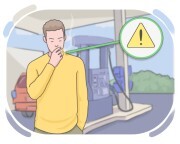
to endanger a person or thing
poner en peligro
La falta de medidas de seguridad podría poner en peligro la vida de los trabajadores en el sitio de construcción.

to force someone to do something through threats or manipulation
coaccionar
El matón intentó coaccionar a sus compañeros de clase para que le dieran su dinero del almuerzo mediante amenazas.
to deliberately provoke, encourage, or initiate actions that lead to conflict, hostility, or harmful consequences
instigar
Impulsado por su profunda envidia, el vecino envidioso intentó instigar un conflicto entre las dos familias.

to exclude someone from a community or group as a form of punishment or social rejection
aislar
La comunidad decidió ostracizar al alborotador para mantener la paz y el orden.
to cause something or someone to split into opposing groups
polarizar
La cobertura mediática polariza la opinión pública.
compulsion or threat used to force someone to act against their will
coacción
Afirmaron que actuaron bajo coacción durante la negociación.
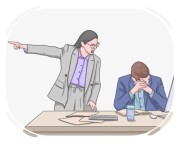
to remove someone from a position or place, often forcefully
desbancar
La junta directiva decidió destituir al presidente por violaciones éticas.
![to [throw] down the gauntlet](https://cdn.langeek.co/photo/41354/thumb/350?type=jpeg "to [throw] down the gauntlet")
to challenge someone to a fight or competition
lanzar el reto, retar a alguien
Durante el debate, le lanzó el reto y lo desafió a defender su trayectoria.
to annoy or disturb someone, particularly through minor irritations
irritar
El constante sonido de su teléfono irritó durante la película.
to torment someone by showing or promising something desirable that remains just out of reach
tentar
Él tantalizó al perro con un premio que no daría.
to punish someone as severely as possible
to behave wildly or cause a noisy disturbance
to humble someone who is acting arrogant or overconfident, by reducing their status or pride
to demotivate a person by talking negatively about their plans or opinions
echar un jarro de agua fría, quitarle ilusión a alguien
A todos les encantaba la propuesta hasta que Mark le echó un jarro de agua fría.
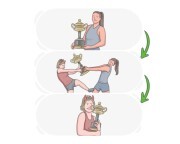
to wrongly take someone else's position, power, or right
usurpar
El príncipe fue acusado de intentar usurpar la posición de su hermano mayor.
causing harm
nocivo
Su actitud nociva envenenó la moral del equipo.
to lower someone in rank, prestige, or self‑esteem
humillar, degradar
Burlarse públicamente de los trabajadores solo serviría para humillar su moral.
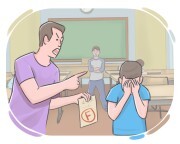
to make someone feel uneasy and ashamed
avergonzar
No es educado avergonzar a alguien señalando sus defectos en público.
to make someone react in a certain way or reveal information
provocar
El profesor utilizó indicaciones estimulantes para provocar respuestas perspicaces de los estudiantes.
to irritate or provoke someone, typically through persistent criticism, taunts, or annoying behavior
picar
El comentarista político provocaba a sus oponentes con comentarios agudos durante los debates televisados.
to commit a harmful, illegal, or immoral act, such as a crime or an offense
perpetrar, cometer
El criminal confesó perpetrar una serie de robos en el vecindario.
