
El libro Headway - Pre-intermedio - Unidad 5
Aquí encontrarás el vocabulario de la Unidad 5 del libro de curso Headway Pre-Intermediate, como "literal", "llevar a cabo", "actualizado", etc.
Revisión
Tarjetas de memoria
formas
Ortografía
Cuestionario


referring directly to the true meaning of a word or phrase

literal

(grammar) containing or denoting expressions that sound natural to a native speaker of a language
idiomático
Aprender expresiones idiomáticas puede hacer que tu habla sea más fluida.
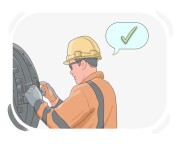
to complete or conduct a task, job, etc.
llevar a cabo, realizar una tarea o trabajo
Al detective se le asignó llevar a cabo la investigación sobre la desaparición misteriosa.
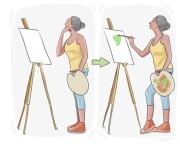
to make a new interest or hobby a regular part of one's life
aficionarse a, empezar a practicar
Deberíamos adoptar una rutina de ejercicios para un estilo de vida más saludable.
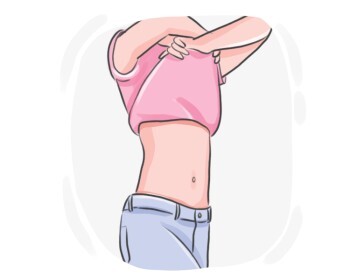
to remove a piece of clothing or accessory from your or another's body
quitarse una prenda o accesorio, quitar algo del propio cuerpo o del de otra persona
Está haciendo calor, así que necesito quitarme el suéter.
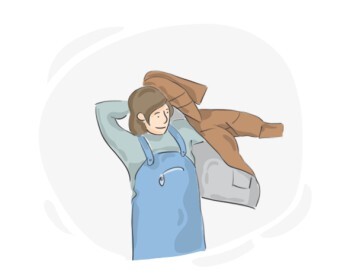
to place or wear something on the body, including clothes, accessories, etc.
ponerse ropa o un accesorio, colocarse algo sobre el cuerpo
Vamos a ponernos unos zapatos cómodos antes de salir a caminar mucho.
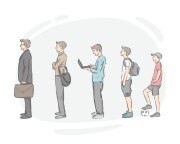
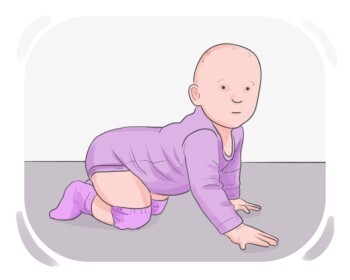
to change from being a child into an adult little by little
crecer, hacerse adulto
Ella creció con sus primos en la misma casa.
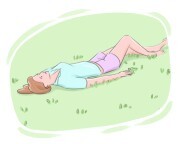
to put one's body in a flat position in order to sleep or rest
acostarse para dormir o descansar, poner el cuerpo en posición horizontal
El cansado viajero se acostó en la cama, ansioso por escapar del bullicio de la ciudad.

to focus one's attention on something or someone in order to observe or examine them
mirar, observar
El detective miró la escena del crimen en busca de pistas.
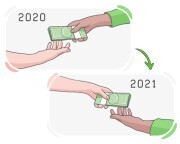
to return an amount of money that was borrowed
devolver, pagar de vuelta
La empresa acordó devolver la inversión en un período de cinco años.

to get rid of what is not needed or wanted anymore
tirar algo que ya no se necesita o desea, deshacerse de algo innecesario
¿Puedes tirar los artículos caducados de la despensa?
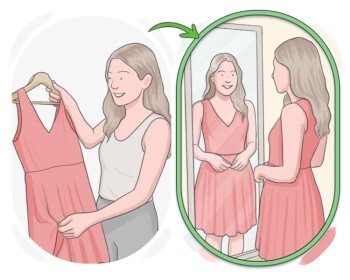
to put on a piece of clothing to see if it fits and how it looks
probarse una prenda para ver si queda bien, ponerse algo para probarlo antes de comprarlo
Necesito probar estos jeans para ver si son de la talla correcta.
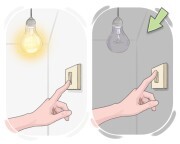
to cause a machine, device, or system to stop working or flowing, usually by pressing a button or turning a switch
apagar un aparato o cortar un flujo, apagar mediante un botón o interruptor
Por favor recuerda apagar las luces antes de salir de la habitación.
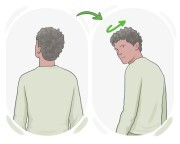
to change your position so as to face another direction
darse vuelta
Cuando entré en la habitación, todos se voltearon para mirarme.
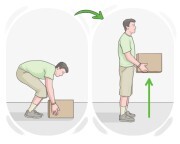
to take and lift something or someone up
recoger, levantar
Ella recogió el periódico del porche por la mañana.
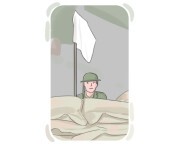
to stop trying when faced with failures or difficulties
rendirse, dejar de intentarlo
El equipo estaba perdiendo, pero no se rindieron, y su determinación condujo a una victoria de regreso.
in small steps or portions; not all at once
poco a poco, paso a paso
El rompecabezas se armó poco a poco mientras trabajaban en él.
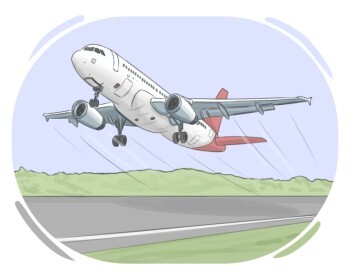
to leave a surface and begin flying
despegar, dejar la superficie y comenzar a volar
Los pájaros despegan sin esfuerzo hacia el cielo con un aleteo de sus alas.
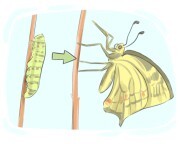
to start or grow to be
convertirse en, volverse, hacerse, llegar a ser

getting the results you hoped for or wanted
exitoso
Su nuevo negocio es muy exitoso.
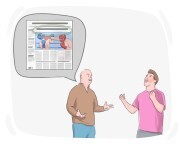
to exchange information or knowledge that was missed or overlooked
ponerse al día, ponerse al corriente
¿Puedes ponerme al día sobre lo que sucedió en la conferencia?
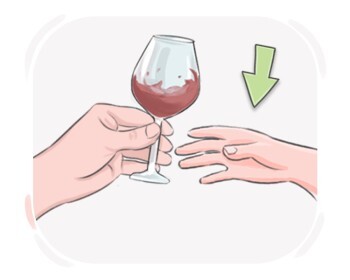
to receive or come to have something
conseguir, obtener
conforming to the most recent developments, updates, or facts
actualizado, al día
La aplicación de noticias proporciona alertas actualizadas, asegurando que nunca te pierdas un evento importante.
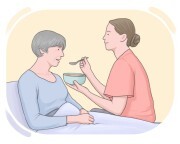
to take care of someone or something and attend to their needs, well-being, or safety
cuidar
El jardinero cuida del jardín deshierbando, regando y podando las plantas.
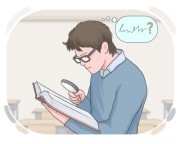
to try to find information in a dictionary, computer, etc.
buscar, consultar
Cuando necesito una receta, siempre la busco en línea.
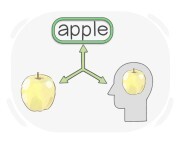
(grammar) a unit of language that has a specific meaning
palabra

to use the available supply of something, leaving too little or none
quedarse sin, agotar
La tienda se quedó sin desinfectante de manos durante la pandemia.
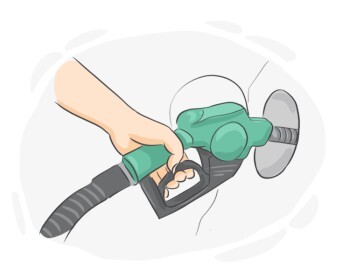
a liquid fuel made from petroleum and used mainly in internal-combustion engines
gasolina
to no longer be friends with someone as a result of an argument
pelearse, dejar de ser amigo de alguien
Los hermanos solían pelearse ocasionalmente, pero siempre se reconciliaban al final.
a person who is not mentioned by name
alguien
Oí a alguien llamando a la puerta, pero cuando la abrí, no había nadie.

to have a good, friendly, or smooth relationship with a person, group, or animal
llevarse bien con alguien, tener una relación armoniosa con una persona grupo o animal
Él se lleva muy bien con sus vecinos y los ayuda con diversas tareas.
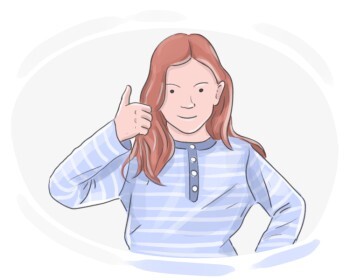
in a way that is right or satisfactory
bien
