
Habilidades de Palabras SAT 1 - Lección 2
Revisión
Tarjetas de memoria
Ortografía
Cuestionario


to set something on fire

encender, prender
El explorador luchó por encontrar madera seca para encender un fuego durante el viaje de campamento lluvioso.
of a similar classification and quality
afín, similar
Las dos películas compartían una cinematografía afín, empleando tomas visualmente impresionantes y ángulos de cámara creativos.
a great enthusiasm directed toward achieving something
entusiasmo, fervor
Con gran celo, abordó cada nuevo proyecto, decidida a sobresalir en su trabajo.
a person who is fanatically committed to a cause, ideology, or belief, often with uncompromising intensity and willingness to act aggressively in its defense
fanático
Era una fanática de los derechos de los animales, sin aceptar ningún compromiso.

showing impressive commitment and enthusiasm for something
ferviente, entusiasta
Los seguidores fervientes animaron en voz alta durante todo el evento.
to handle a task or activity clumsily, often causing damage or problem
hacer un desastre de
Temía que iba a estropear su discurso frente a la gran audiencia y avergonzarse.

a one-story construction without stairs, usually with a low roof
bungalow
La familia alquiló un encantador bungalow en el campo para sus vacaciones de verano.
a person who refuses to spend any of their money, often living in poor conditions
avaro
El avaro se negó a encender la calefacción en su casa, incluso durante los meses de invierno helado.

having an extreme reluctance to spend money or resources
tacaño, mezquino
Ella vivió una vida tacaña, siempre buscando formas de ahorrar incluso las cantidades más pequeñas de dinero.

having or showing the usual qualities of a particular group of people or things
típico
La arquitectura en este vecindario es típica de las casas de la era victoriana.
to display the specifications related to a certain group
tipificar
Las calles abarrotadas ejemplifican la energía bulliciosa de una ciudad vibrante.
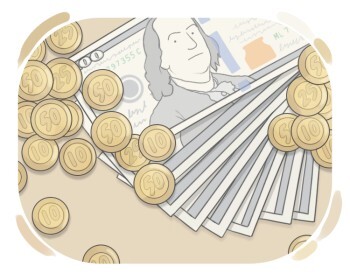
related to money or its management
financiero
Buscó asesoramiento financiero de un profesional para planificar la jubilación.
a person whose job is handling and lending large amounts of money to other companies or the government
financiero, financista
La empresa contrató a un financiero experimentado para supervisar sus operaciones financieras y planificación estratégica.
to twist or squirm violently, from struggle, physical pain, or emotional distress
retorcerse
Ella se retorcía en sus ataduras, desesperada por liberarse.
twisted or distorted, often indicating dry or mocking humor
irónico
Ella hizo un comentario irónico sobre la ironía de la situación.
the fact or state of existing or being objectively real
existencia
regarding human's existence and its concerning matters
existencial
El protagonista de la novela sufre de angustia existencial y una sensación de desconexión.
peaceful in nature and unwilling to use force or engage in conflict
pacífico
an individual who is against war and violence as a way to settle disagreements or conflicts
pacifista
El grupo de pacifistas protestó contra la decisión del gobierno de aumentar el gasto militar.
to take action against violence in order to bring peace
pacificar
La misión de la ONU era pacificar la zona afectada por conflictos y proteger a los civiles.
