
Habilidades de Palabras SAT 2 - Lección 31
Revisión
Tarjetas de memoria
Ortografía
Cuestionario

the use of tricks, tactics, or intentionally misleading behaviors aimed at deceiving others for self-interested purposes

astucia
Durante la Guerra Fría, los espías empleaban la astucia mediante tácticas como difundir información errónea.
sincere and free from deceit
ingenuo
La pregunta ingenuo del niño reveló pura curiosidad.
favorably inclined toward peace over aggression
pacífico
A través de una discusión tranquila de puntos de vista opuestos, el grupo esperaba encontrar un terreno común más pacífico.

free from conflict, violence, or disorder
pacífico
Los científicos lograron avances importantes durante las temporadas productivas de exploración pacífica, sin obstáculos por conflictos en casa.
lacking compassion and sympathy for others' suffering
insensible
Aunque se derramaron lágrimas al contar su historia, el trabajador social de corazón duro permaneció impasible para ayudar.
the strength and determination to withstand difficulties, especially challenging conditions
atrevimiento
Los soldados son elegidos tanto por su resistencia física como por su fortaleza mental - la capacidad de soportar el estrés, el peligro y la privación.
having a strong and well-built physique
robusto, fuerte
Los escaladores de montaña resistentes alcanzaron la cumbre a pesar de las condiciones climáticas desafiantes.
expressed with clarity and precision, leaving no doubt as to the meaning or intention
claro
settling an issue authoritatively and leaving no room for further doubt or debate
definitivo
El testimonio de los testigos y las pruebas forenses proporcionaron los hechos concluyentes necesarios para un juicio definitivo en el juicio.
to become accustomed to something difficult or unpleasant, usually through repeated exposure
habituar, acostumbrar
Los aldeanos estaban acostumbrados al frío después de muchos inviernos duros.
accustomed to something undesirable or unpleasant through prolonged exposure
curtido
Los fanáticos acérrimos de los equipos perdedores desafortunadamente se acostumbran a la decepción a través de años de bajo rendimiento.
(of a substance) capable of chemically treating other materials so as to corrode or set colors
mordaz
El grabado es un método de impresión que emplea una sustancia mordiente como el ácido para corroer y así incidir una imagen en una placa de metal.
(of animals) tending to bite or sting as a means of defense, feeding, etc.
mordaz
El enjambre de mosquitos mordaces descendió sobre cualquiera que se aventurara afuera al anochecer.
higher or taller than the things or people nearby in a way that draws attention
eminente
Su estatura eminente lo hacía fácil de detectar en una multitud.
a significantly high level of status or influence within a particular field
eminencia
Habló con eminencia y autoridad como uno de los principales expertos en el área temática.
mechanical learning by repetition and frequent recall rather than meaningful understanding
de memoria
Memorizó las capitales de los estados a través de la repetición mecánica.

referring to something that revolves around an axis or a central point, such as a wheel
rotativo
El movimiento rotatorio de la Tierra alrededor del sol causa el cambio de las estaciones.
rounded from end to end without points or flat sides
redondo
Los niños se reían de la forma redonda de la piedra que encontraron.
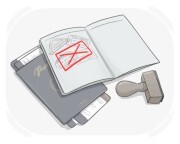
to force a foreigner to leave a country, usually because they have broken the law
deportar
Los agentes de la patrulla fronteriza están deportando actualmente a un grupo de migrantes detenidos cerca de la frontera sur.
dignified and respectful behavior, especially a display of etiquette during social interactions or in public settings
comportamiento
En las entrevistas de trabajo, los empleadores potenciales a menudo evalúan el comportamiento del candidato durante la reunión y cómo se desenvuelve.
