
El libro Total English - Avanzado - Unidad 10 - Referencia
Aquí encontrarás el vocabulario de la Unidad 10 - Referencia en el libro de curso Total English Advanced, como "indignado", "quebrar", "en dos mentes", etc.
Revisión
Tarjetas de memoria
formas
Ortografía
Cuestionario


to start a journey

salir
Los exploradores partieron hacia la jungla, equipados con suministros y un sentido de asombro.

to return to a person or place
volver, regresar
La familia decidió volver a su ciudad natal después de años de vivir en el extranjero.
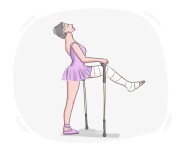
to choose to continue an ongoing activity
continuar una actividad, reanudar después de una pausa
El equipo eligió seguir practicando a pesar del cansancio.

to spend time relaxing or being idle, often in a comfortable and unhurried manner
holgazanear, descansar
En lugar de salir, decidimos holgazanear en casa y disfrutar de la tranquila tarde.
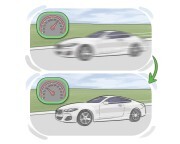
to move with a lower speed or rate of movement
reducir la velocidad de movimiento, moverse más despacio
Durante la carrera, el velocista comenzó a reducir la velocidad cerca de la línea de meta.
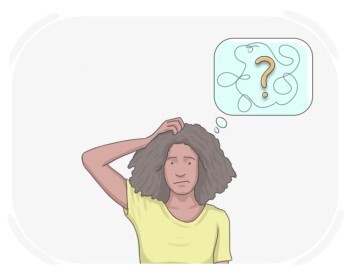
in a state where a person is so confused or frustrated that they are unable to decide what to do anymore
desesperado, sin saber qué hacer
Después de horas intentando arreglar la fuga, estaba desesperada.
in a state of uncertainty in which it is difficult for one to choose between two courses of action
tense, anxious, or agitated due to stress or nervousness
tenso, nervioso
Los niños estaban alterados después de comer demasiados dulces y no podían quedarse quietos.

a mental disposition or attitude that favors one option over others
tendencia
a belief that is strong, yet without any explainable reason
corazonada, intuición
No puedo demostrarlo, pero mi intuición me dice que oculta algo.
a feeling or intuition about something, often without conscious reasoning or evidence
presentimiento, corazonada
Aunque no había pruebas, el detective tenía un presentimiento de que el sospechoso estaba mintiendo.
the ability to understand or know something immediately, without conscious reasoning or evidence
intuición
La intuición puede guiar la toma de decisiones cuando los datos son limitados.

to think or talk about something at length, often to the point of overthinking or obsessing about it
pensar o hablar largamente sobre algo, quedarse mentalmente atrapado en un tema
El terapeuta le aconsejó que no se obsesionara con los pensamientos ansiosos y que redirigiera su mente hacia afirmaciones positivas.

in the end of or over a long period of time
a largo plazo, con el tiempo
A largo plazo, hacer ejercicio con regularidad protege tu salud.

feeling intense excitement or pleasure
entusiasmado, encantado
Estaba encantado con la fiesta de cumpleaños sorpresa que sus amigos habían organizado para él.

(of a person) feeling great anger
furioso
Ella estaba furiosa con su colega por atribuirse el mérito de su trabajo.

to surprise someone so much that they are unable to react quickly
sorprender, desconcertar
El fuerte estruendo en la cocina nos tomó por sorpresa a todos, y corrimos a ver qué había pasado.

extremely excited and happy
extático, eufórico
Los niños estaban extáticos cuando se enteraron de que iban a Disneylandia.

not showing any concern in one's attitude or actions toward a particular person, situation, or outcome
indiferente
La respuesta indiferente del político a las preocupaciones de la comunidad enfureció a muchos votantes.

feeling very unhappy or uncomfortable
triste, abatido, deprimido
Se veía miserable sentado solo en la esquina.

very pleased, proud, or delighted about something
encantado
Ella salió de la oficina del profesor encantada después de recibir elogios.

lacking interest or enthusiasm toward something
desinteresado, indiferente
No estaba interesado en los deportes, prefiriendo pasar su tiempo leyendo libros.

feeling extremely scared
aterrorizado
Se sentía aterrorizada por la idea de hablar frente a una gran audiencia.

extremely surprised or astonished to the point of being speechless or confused
estupefacto, atónito
El público quedó asombrado por el increíble truco del mago.
so surprised or shocked that one is temporarily unable to speak or react
pasmado, atónito
Se quedó atónito ante la vista impresionante desde la cima de la montaña.

feeling very angry or deeply offended
indignado, ultrajado
Se sintió indignada por los comentarios ofensivos del político.

filled with great pleasure or joy
encantado
Los niños parecían encantados mientras abrían sus regalos de Navidad.
extremely angry, furious, or emotionally agitated
furioso
Se puso furioso cuando se dio cuenta de que su vuelo había sido cancelado sin previo aviso.

frozen in place, often due to shock or fear
petrificado, congelado
El repentino estruendo lo dejó petrificado, clavado en el lugar.

feeling disturbed or distressed due to a negative event
molesto, triste
stressful or anxious due to having too many tasks or responsibilities to handle within a limited time
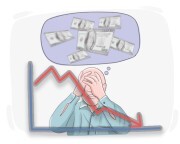
to experience financial failure or bankruptcy, often leading to the end or termination of a business or company
quebrar, fracasar
A pesar de su éxito inicial, la startup finalmente quebró.

completely under one's direct control
bajo su control absoluto, comiendo de su mano
Se supone que la junta debe supervisarlo, pero él la tiene bajo su control.

to provide someone or each person in a group with something
repartir, dar algo a cada miembro de un grupo
La organización repitió mantas a los afectados por el desastre.
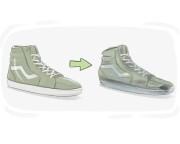
to cause something to lose its functionality or good condition over time or through extensive use
desgastar, estropear por el uso
El calor excesivo puede desgastar los dispositivos electrónicos, así que manténgalos bien ventilados.
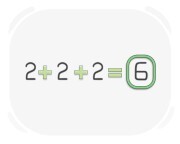
to add up a group of items or numbers to determine the total
sumar, calcular el total
Mientras el reloj seguía avanzando, el público observaba cómo el marcador digital sumaba los puntos en el intenso partido de baloncesto.
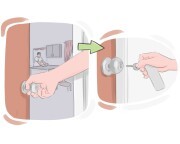
to close or secure something in a place where it cannot be removed or accessed without the appropriate authorization, key, or combination
cerrar con llave, asegurar bajo llave
El dueño de la tienda encerró los objetos de valor en la caja fuerte.
![to [be] over the moon](https://cdn.langeek.co/photo/42558/thumb/350?type=jpeg "to [be] over the moon")
to be extremely happy or excited about something
estar en una nube, estar encantado
Estaban en una nube cuando por fin compraron su primera casa.
| El libro Total English - Avanzado | |||
|---|---|---|---|
| Unidad 9 - Referencia | Unidad 10 - Lección 1 | Unidad 10 - Lección 2 | Unidad 10 - Vocabulario |
| Unidad 10 - Referencia | |||
