pattern

El libro Interchange - Principiante - Unidad 11 - Parte 2

Aquí encontrarás el vocabulario de la Unidad 11 - Parte 2 del libro de curso Interchange Beginner, como 'pedir', 'postre', 'elegante', etc.

Revisión

Tarjetas de memoria

formas

Ortografía

Cuestionario

Empezar a aprender
Interchange - Beginner
twenty-second
twenty-second
[Adjetivo]

coming or happening right after the twenty-first person or thing

vigésimo segundo

vigésimo segundo

Ex: The twenty-second chapter of the book delves into the themes of friendship and loyalty. 

El vigésimo segundo capítulo del libro profundiza en los temas de la amistad y la lealtad.

twenty-third
twenty-third
[Adjetivo]

coming or happening right after the twenty-second person or thing

vigésimo tercero, 23º

vigésimo tercero, 23º

Ex: The twenty-third chapter of the series reveals important backstory about the main character. 

El vigésimo tercer capítulo de la serie revela información importante sobre el trasfondo del personaje principal.

twenty-fourth
twenty-fourth
[Adjetivo]

coming or happening right after the twenty-third person or thing

vigésimo cuarto, 24º

vigésimo cuarto, 24º

Ex: In the twenty-fourth chapter of the novel, the protagonist finally confronts her greatest fears. 

En el vigésimo cuarto capítulo de la novela, la protagonista finalmente enfrenta sus mayores miedos.

twenty-fifth
twenty-fifth
[Adjetivo]

coming or happening right after the twenty-fourth person or thing

vigésimo quinto, 25º

vigésimo quinto, 25º

Ex: The twenty-fifth chapter of the textbook covers advanced concepts in physics that are crucial for the exam. 

El vigésimo quinto capítulo del libro de texto cubre conceptos avanzados en física que son cruciales para el examen.

twenty-sixth
twenty-sixth
[Adjetivo]

coming or happening right after the twenty-fifth person or thing

vigésimo sexto

vigésimo sexto

Ex: In the twenty-sixth chapter of the book, the main character embarks on a new adventure that changes her life. 

En el vigésimo sexto capítulo del libro, el personaje principal emprende una nueva aventura que cambia su vida.

twenty-seventh
twenty-seventh
[Adjetivo]

coming or happening right after the twenty-sixth person or thing

vigésimo séptimo, veintisiete

vigésimo séptimo, veintisiete

Ex: In the twenty-seventh chapter of the novel, the plot takes an unexpected twist that keeps readers on edge. 

En el vigésimo séptimo capítulo de la novela, la trama da un giro inesperado que mantiene a los lectores en vilo.

twenty-eighth
twenty-eighth
[Adjetivo]

coming or happening right after the twenty-seventh person or thing

vigésimo octavo, veintiocho

vigésimo octavo, veintiocho

Ex: In the twenty-eighth chapter of the book, the protagonist faces a difficult decision that will change her future. 

En el vigésimo octavo capítulo del libro, la protagonista enfrenta una decisión difícil que cambiará su futuro.

twenty-ninth
twenty-ninth
[Adjetivo]

coming or happening right after the twenty-eighth person or thing

vigésimo noveno, el vigésimo noveno

vigésimo noveno, el vigésimo noveno

Ex: In the twenty-ninth chapter of the series, the story takes an unexpected turn that surprises the readers. 

En el vigésimo noveno capítulo de la serie, la historia da un giro inesperado que sorprende a los lectores.

thirtieth
thirtieth
[Numeral]

coming or happening right after the twenty-ninth person or thing

trigésimo, 30º

trigésimo, 30º

Ex: In the thirtieth chapter of the novel, the main character uncovers a long-hidden secret that changes everything. 

En el trigésimo capítulo de la novela, el personaje principal descubre un secreto oculto durante mucho tiempo que lo cambia todo.
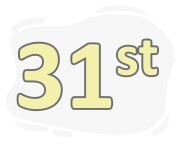
thirty-first
thirty-first
[Adjetivo]

coming or happening right after the thirtieth person or thing

trigésimo primero, treinta y uno

trigésimo primero, treinta y uno

Ex: In the thirty-first chapter of the book, the protagonist faces her greatest challenge yet. 

En el trigésimo primer capítulo del libro, la protagonista enfrenta su mayor desafío hasta ahora.
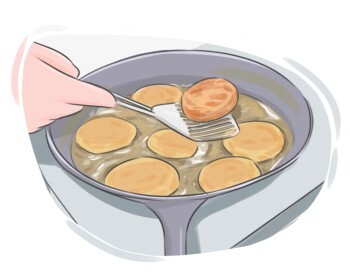

to cook
to cook
[Verbo]

to make food with heat

cocinar

cocinar

Ex: The chef cooks a delicious meal in the restaurant. 

El chef cocina una deliciosa comida en el restaurante.

to be
to be
[Verbo]

used when naming, or giving description or information about people, things, or situations

ser, estar, tener

ser, estar, tener

Ex: The movie was entertaining. 

La película era entretenida.

to celebrate

to do something special such as dancing or drinking that shows one is happy for an event

celebrar

celebrar

Ex: The city is celebrating its bicentennial with a series of grand events. 

La ciudad está celebrando su bicentenario con una serie de grandes eventos.

to stay
to stay
[Verbo]

to remain in a particular place

quedarse
quedarse

Ex: We'll stay at the office to finish the project on time. 

Permanecemos en la oficina para terminar el proyecto a tiempo.

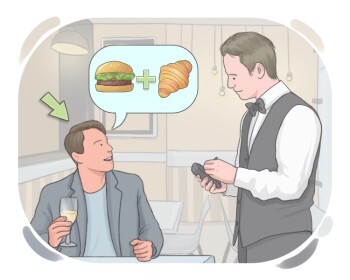
to order
to order
[Verbo]

to ask for something, especially food, drinks, services, etc. in a restaurant, bar, or shop

pedir, ordenar
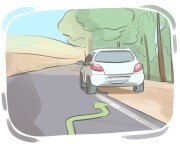
pedir, ordenar

Ex: She ordered a cappuccino and sat by the window. 

Ella pidió un capuchino y se sentó junto a la ventana.

to stop
to stop
[Verbo]

to not move anymore

parar

parar

Ex: The train doesn't stop on this route after 6 PM. 

El tren no para en esta ruta después de las 6 PM.

holiday
holiday
[Sustantivo]

a day fixed by law when we do not have to go to school or work, usually because of a religious or national celebration

día de fiesta

día de fiesta

Ex: We don't have school on Veterans Day because it's a national holiday. 

No tenemos escuela en el Día de los Veteranos porque es un día festivo nacional.

New Year's Eve

the evening of 31st of December, which is the last day of the year

Nochevieja, víspera de Año Nuevo

Nochevieja, víspera de Año Nuevo

Ex: Some cultures celebrate New Year's Eve with special traditions and rituals. 
Valentine's Day

a day on which two people celebrate their love toward each other and often buy gifts for one another

Día de San Valentín, Día de los Enamorados

Día de San Valentín, Día de los Enamorados

Ex: She received a bouquet of roses for Valentine’s Day. 
Independence Day
Independence Day
[Sustantivo]

the 4th of July on which Americans celebrate the declaration of independence from Britain in 1776

Día de la Independencia

Día de la Independencia

Ex: Many people display flags and decorations to honor Independence Day. 

Mucha gente muestra banderas y decoraciones para honrar el Día de la Independencia.
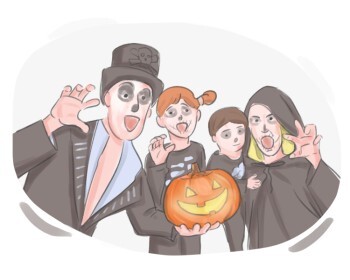
Halloween
Halloween
[Sustantivo]

October 31st, a holiday where people dress in costumes, carve pumpkins, and children go door-to-door asking for candy

Halloween, Noche de Brujas

Halloween, Noche de Brujas

Ex: They decorated their house with spiderwebs and pumpkins for Halloween. 

Decoraron su casa con telarañas y calabazas para Halloween.
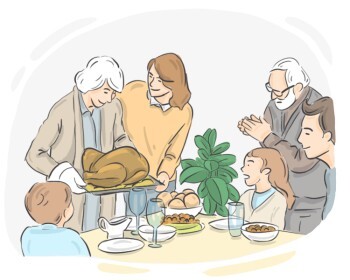
Thanksgiving
Thanksgiving
[Sustantivo]

a national holiday in the US and Canada when families gather and have a special meal to give thanks to God

Día de Acción de Gracias

Día de Acción de Gracias

Ex: Many Americans watch football games on Thanksgiving. 

Muchos estadounidenses ven partidos de fútbol en Thanksgiving.
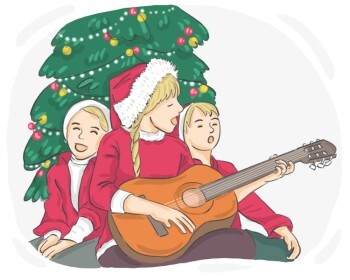
Christmas
Christmas
[Sustantivo]

the 25th of December on which Christians celebrate Jesus Christ's birth

Navidad

Navidad

Ex: Many people attend church services on Christmas Eve to commemorate the holiday's religious significance. 

Muchas personas asisten a los servicios religiosos en la víspera de Navidad para conmemorar el significado religioso de la festividad.

plan
plan
[Sustantivo]

a chain of actions that will help us reach our goals

plan
plan

Ex: The business proposal includes a comprehensive financial plan for the next fiscal year. 

La propuesta de negocio incluye un plan financiero integral para el próximo año fiscal.

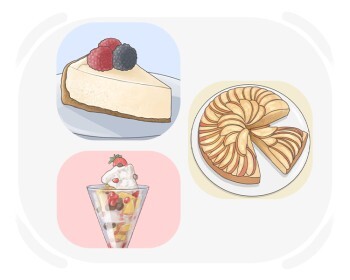
dessert
dessert
[Sustantivo]

‌sweet food eaten after the main dish

postre

postre

Ex: They shared a fruit tart for dessert after dinner. 

Compartieron una tarta de frutas de postre después de la cena.

fancy
fancy
[Adjetivo]

elaborate or sophisticated in style, often designed to impress

lujoso

lujoso

Ex: The hotel lobby was adorned with fancy chandeliers and marble floors. 

El vestíbulo del hotel estaba adornado con elegantes candelabros y suelos de mármol.

to do
to do
[Verbo]

to perform an action that is not mentioned by name

hacer
hacer

Ex: In times of crisis, people often come together to do whatever is necessary. 

En tiempos de crisis, la gente a menudo se une para hacer lo que sea necesario.

to get
to get
[Verbo]

to receive or come to have something

conseguir, obtener
conseguir, obtener

Ex: They got an invitation to the exclusive event. 

Ellos recibieron una invitación al evento exclusivo.

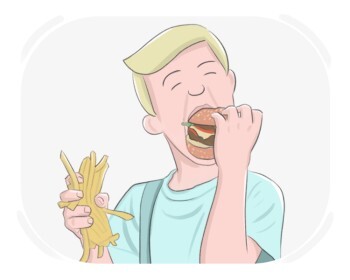
to eat
to eat
[Verbo]

to put food into the mouth, then chew and swallow it

comer
comer

Ex: We ate sushi for the first time and loved it. 

Comimos sushi por primera vez y nos encantó.

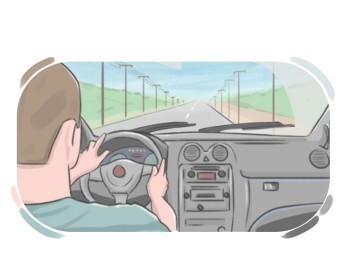
to drive
to drive
[Verbo]

to control the movement and the speed of a car, bus, truck, etc. when it is moving

conducir
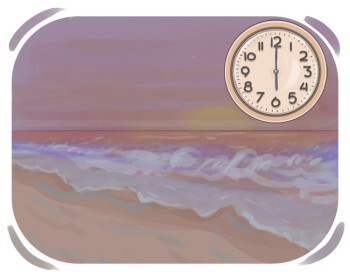
conducir

Ex: I like to drive along scenic routes to enjoy the countryside. 

Me gusta conducir por rutas escénicas para disfrutar del campo.

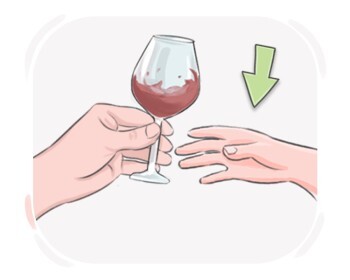
to take
to take
[Verbo]

to reach for something and hold it

tomar

tomar

Ex: May I take your coat and hat, sir? 

¿Puedo tomar su abrigo y sombrero, señor?

tonight
tonight
[Sustantivo]

the night or evening of the current day

esta noche
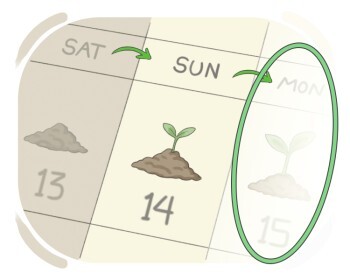
esta noche

Ex: What are your plans for tonight? 

¿Cuáles son tus planes para esta noche?

tomorrow
tomorrow
[Sustantivo]

the day that will come after today ends

mañana
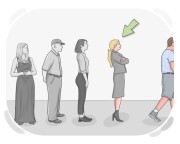
mañana

Ex: Let's plan our strategy for tomorrow's team meeting. 

Planifiquemos nuestra estrategia para la reunión de equipo de mañana.

next
next
[Adjetivo]

coming immediately after a person or thing in time, place, or rank

próximo
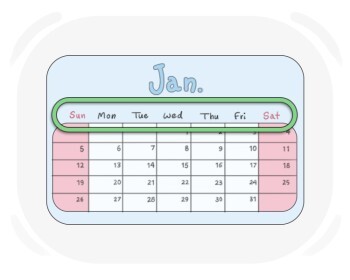
próximo

Ex: The next train to the city departs in 20 minutes. 

El próximo tren a la ciudad sale en 20 minutos.

week
week
[Sustantivo]

a period of time that is made up of seven days in a calendar

semana
semana

Ex: My wife enjoys reading books in her free time during the week. 

A mi esposa le gusta leer libros en su tiempo libre durante la semana.

year
year
[Sustantivo]

a period of time that is made up of twelve months, particularly one that starts on January first and ends on December thirty-first

año
año

Ex: My family goes on a vacation once a year. 

Mi familia se va de vacaciones una vez al año.

to wear
to wear
[Verbo]

to have something such as clothes, shoes, etc. on your body

llevar

llevar

Ex: The students were instructed to wear their school uniforms every day. 

Se les indicó a los estudiantes que usaran sus uniformes escolares todos los días.

LanGeek
Descargar la aplicación LanGeek