pattern

Книга Interchange - Начальный - Раздел 11 - Часть 2

Здесь вы найдете словарь из Раздела 11 - Части 2 учебника Interchange Beginner, такие как 'заказ', 'десерт', 'модный' и т.д.

Обзор

Флэш-карточки

формы

Правописание

Тест

Начать учиться
Interchange - Beginner
twenty-second
twenty-second
[прилагательное]

coming or happening right after the twenty-first person or thing

двадцать второй

двадцать второй

Ex: The twenty-second of February is celebrated as World Thinking Day, encouraging global awareness and action. 

Двадцать второе февраля отмечается как Всемирный день размышлений, поощряя глобальную осведомленность и действия.

Закрыть
Войти
twenty-third
twenty-third
[прилагательное]

coming or happening right after the twenty-second person or thing

двадцать третий

двадцать третий

Ex: The twenty-third of November is often celebrated as Thanksgiving in the United States. 

Двадцать третье ноября часто отмечается как День благодарения в Соединенных Штатах.

Закрыть
Войти
twenty-fourth
twenty-fourth
[прилагательное]

coming or happening right after the twenty-third person or thing

двадцать четвертая

двадцать четвертая

Ex: The twenty-fourth of July is celebrated as Pioneer Day in Utah, commemorating the arrival of Mormon pioneers. 

Двадцать четвертое июля отмечается как День пионеров в Юте, в память о прибытии мормонских пионеров.

Закрыть
Войти
twenty-fifth
twenty-fifth
[прилагательное]

coming or happening right after the twenty-fourth person or thing

двадцать пятый

двадцать пятый

Ex: The twenty-fifth of December is celebrated as Christmas Day in many countries around the world. 

Двадцать пятое декабря отмечается как Рождество во многих странах мира.

Закрыть
Войти
twenty-sixth
twenty-sixth
[прилагательное]

coming or happening right after the twenty-fifth person or thing

двадцать шестой

двадцать шестой

Ex: The twenty-sixth of January is celebrated as Australia Day, marking the arrival of the First Fleet at Port Jackson in 1788. 

Двадцать шестое января отмечается как День Австралии, знаменуя прибытие Первого флота в Порт-Джексон в 1788 году.

Закрыть
Войти
twenty-seventh
twenty-seventh
[прилагательное]

coming or happening right after the twenty-sixth person or thing

двадцать седьмой

двадцать седьмой

Ex: The twenty-seventh of February is celebrated as International Polar Bear Day to raise awareness about these majestic animals. 

Двадцать седьмое февраля отмечается как Международный день полярного медведя, чтобы привлечь внимание к этим величественным животным.

Закрыть
Войти
twenty-eighth
twenty-eighth
[прилагательное]

coming or happening right after the twenty-seventh person or thing

двадцать восьмой

двадцать восьмой

Ex: The twenty-eighth of March is celebrated as Respect Your Cat Day, encouraging pet owners to appreciate their feline friends. 

Двадцать восьмое марта отмечается как День уважения к вашей кошке, поощряя владельцев домашних животных ценить своих кошачьих друзей.

Закрыть
Войти
twenty-ninth
twenty-ninth
[прилагательное]

coming or happening right after the twenty-eighth person or thing

двадцать девятый

двадцать девятый

Ex: The twenty-ninth of April is celebrated as International Dance Day, promoting the art of dance worldwide. 

Двадцать девятое апреля отмечается как Международный день танца, способствуя искусству танца во всем мире.

Закрыть
Войти
thirtieth
thirtieth
[числительное]

coming or happening right after the twenty-ninth person or thing

тридцатый

тридцатый

Ex: The thirtieth of June marks the end of the fiscal year for many companies. 

Тридцатое июня знаменует конец финансового года для многих компаний.

Закрыть
Войти
thirty-first
thirty-first
[прилагательное]

coming or happening right after the thirtieth person or thing

тридцать первый

тридцать первый

Ex: The thirty-first of October is widely celebrated as Halloween, with people dressing up in costumes and trick-or-treating. 

Тридцать первое октября широко отмечается как Хэллоуин, когда люди наряжаются в костюмы и ходят за сладостями.
Закрыть
Войти
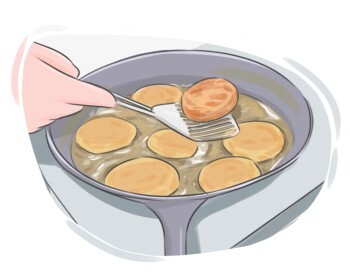
to cook
to cook
[глагол]

to make food with heat

готовить, приготовлять еду

готовить, приготовлять еду

Ex: I love to cook scrambled eggs with cheese for breakfast. 

Я люблю готовить яичницу с сыром на завтрак.

Закрыть
Войти
to be
to be
[глагол]

used when naming, or giving description or information about people, things, or situations

быть

быть

Ex: My favorite color is blue. 

Мой любимый цвет — синий.

Закрыть
Войти
to celebrate
to celebrate
[глагол]

to do something special such as dancing or drinking that shows one is happy for an event

отпраздновать

отпраздновать

Ex: Every year, they celebrate their anniversary by going out for a romantic dinner. 

Каждый год они празднуют свою годовщину, отправляясь на романтический ужин.

Закрыть
Войти
to stay
to stay
[глагол]

to remain in a particular place

оставаться

оставаться

Ex: Please stay here until I come back. 
Закрыть
Войти
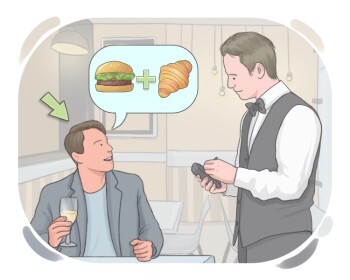
to order
to order
[глагол]

to ask for something, especially food, drinks, services, etc. in a restaurant, bar, or shop

заказывать, попросить

заказывать, попросить

Ex: She ordered a salad for lunch. 
Закрыть
Войти
to stop
to stop
[глагол]

to not move anymore

остановить

остановить

Ex: The car stopped at the pedestrian crosswalk. 

Машина остановилась на пешеходном переходе.
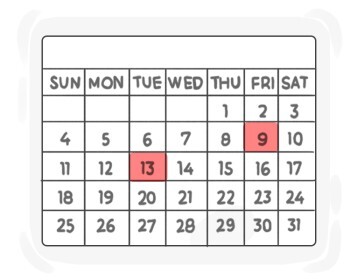
Закрыть
Войти
holiday
holiday
[существительное]

a day fixed by law when we do not have to go to school or work, usually because of a religious or national celebration

каникулы

каникулы

Ex: The Memorial Day holiday is a time to honor those who served in the military. 

Праздник День памяти — это время, чтобы почтить тех, кто служил в армии.

Закрыть
Войти
New Year's Eve
New Year's Eve
[фраза]

the evening of 31st of December, which is the last day of the year

Новый год

Новый год

Ex: Families and friends gathered for a festive dinner to celebrate New Year's Eve together. 
Закрыть
Войти
Valentine's Day
Valentine's Day
[фраза]

a day on which two people celebrate their love toward each other and often buy gifts for one another

день святого Валентина, валентинка

день святого Валентина, валентинка

Ex: They planned a romantic dinner for Valentine’s Day. 
Закрыть
Войти
Independence Day
Independence Day
[существительное]

the 4th of July on which Americans celebrate the declaration of independence from Britain in 1776

День независимости

День независимости

Ex: The city hosts a large parade featuring floats and marching bands for Independence Day. 

В городе проходит большой парад с платформами и марширующими оркестрами в честь Дня Независимости.

Закрыть
Войти
Halloween
Halloween
[существительное]

October 31st, a holiday where people dress in costumes, carve pumpkins, and children go door-to-door asking for candy

Хэллоуин

Хэллоуин

Ex: The kids dressed as ghosts and witches for Halloween this year. 

В этом году дети нарядились привидениями и ведьмами на Хэллоуин.
Закрыть
Войти
Thanksgiving
Thanksgiving
[существительное]

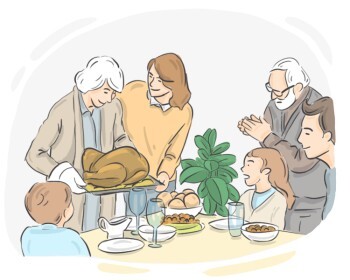
a national holiday in the US and Canada when families gather and have a special meal to give thanks to God

День благодарения

День благодарения

Ex: Families come together for a feast on Thanksgiving. 

Семьи собираются вместе на пир в Thanksgiving.
Закрыть
Войти
Christmas
Christmas
[существительное]

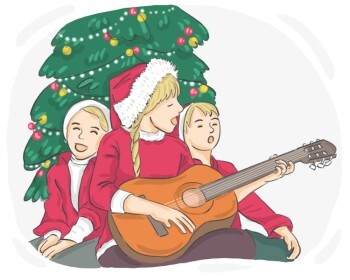
the 25th of December on which Christians celebrate Jesus Christ's birth

Рождество

Рождество

Ex: Families around the world celebrate Christmas by decorating their homes with lights and ornaments. 

Семьи по всему миру празднуют Рождество, украшая свои дома огнями и украшениями.

Закрыть
Войти
plan
plan
[существительное]

a chain of actions that will help us reach our goals

план, проект
план, проект

Ex: We need a clear plan before we begin. 
Закрыть
Войти
dessert
dessert
[существительное]

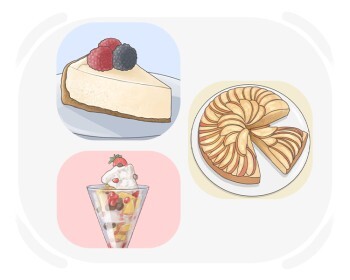
‌sweet food eaten after the main dish

десерт

десерт

Ex: He whipped up a batch of brownies as a quick dessert. 

Он быстро приготовил партию брауни в качестве десерта.

Закрыть
Войти
fancy
fancy
[прилагательное]

elaborate or sophisticated in style, often designed to impress

шикарный

шикарный

Ex: She wore a fancy gown to the ball, adorned with intricate lace and jewels. 

На бал она надела роскошное платье, украшенное замысловатым кружевом и драгоценностями.

Закрыть
Войти
to do
to do
[глагол]

to perform an action that is not mentioned by name

делать

делать

Ex: What have you done to your hands? 

Что ты сделал со своими руками?

Закрыть
Войти
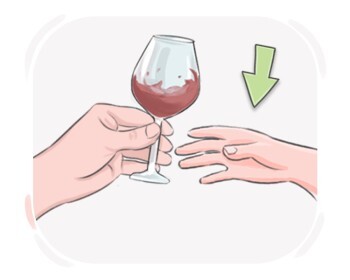
to get
to get
[глагол]

to receive or come to have something

получить
получить

Ex: I got a letter from my cousin yesterday. 
Закрыть
Войти
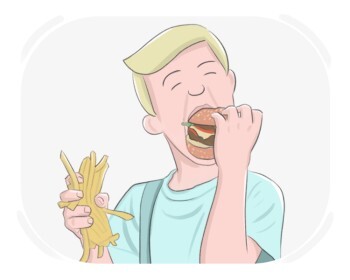
to eat
to eat
[глагол]

to put food into the mouth, then chew and swallow it

есть
есть

Ex: She ate an apple after school. 
Закрыть
Войти
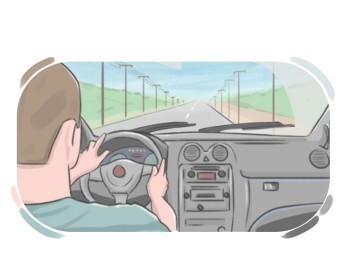
to drive
to drive
[глагол]

to control the movement and the speed of a car, bus, truck, etc. when it is moving

водить

водить

Ex: She drives to work every morning. 
Закрыть
Войти
to take
to take
[глагол]

to reach for something and hold it

взять

взять

Ex: She took the book from my hand. 
Закрыть
Войти
tonight
tonight
[существительное]

the night or evening of the current day

сегодняшний вечер

сегодняшний вечер

Ex: The party is tonight, and I hope you can make it. 

Вечеринка сегодня вечером, и я надеюсь, что ты сможешь прийти.
Закрыть
Войти
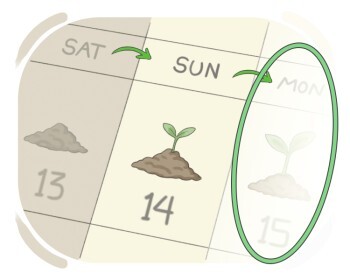
tomorrow
tomorrow
[существительное]

the day that will come after today ends

завтра

завтра

Ex: We have an important presentation scheduled for tomorrow. 

У нас запланирована важная презентация на завтра.

Закрыть
Войти
next
next
[прилагательное]

coming immediately after a person or thing in time, place, or rank

следующий

следующий

Ex: We will discuss this topic in our next meeting. 

Мы обсудим эту тему на нашей следующей встрече.
Закрыть
Войти
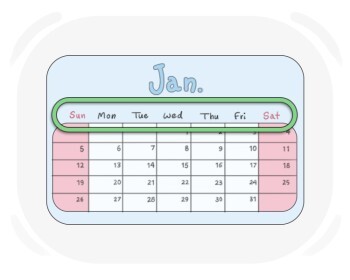
week
week
[существительное]

a period of time that is made up of seven days in a calendar

неделя

неделя

Ex: There are seven days in a week. 
Закрыть
Войти
year
year
[существительное]

a period of time that is made up of twelve months, particularly one that starts on January first and ends on December thirty-first

год

год

Ex: The year begins on January first and ends on December thirty-first. 
Закрыть
Войти
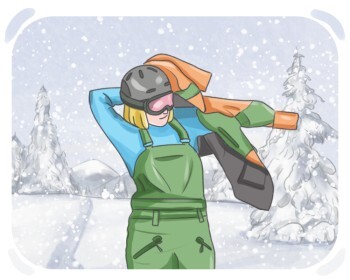
to wear
to wear
[глагол]

to have something such as clothes, shoes, etc. on your body

носить

носить

Ex: He usually wears jeans and a T-shirt. 
Закрыть
Войти
LanGeek
Скачать приложение LanGeek