pattern

El libro Interchange - Intermedio - Unidad 8 - Parte 2

Aquí encontrarás el vocabulario de la Unidad 8 - Parte 2 del libro de texto Interchange Intermediate, como "sobre", "llamativo", "conmemorar", etc.

Revisión

Tarjetas de memoria

formas

Ortografía

Cuestionario

Empezar a aprender
Interchange - Intermediate
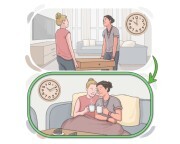
future
future
[Sustantivo]

the time that will come after the present or the events that will happen then

futuro
futuro

Ex: They are saving money for their child's future. 

Están ahorrando dinero para el futuro de su hijo.

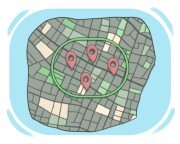
central
central
[Adjetivo]

located at or near the center or middle of something

central
central

Ex: They decided to open their new office in a central business district for better accessibility. 

Decidieron abrir su nueva oficina en un distrito comercial central para una mejor accesibilidad.

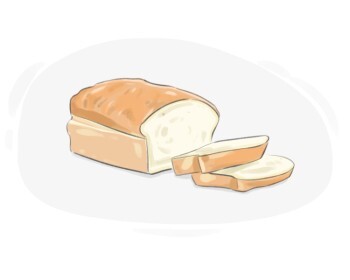
loaf
loaf
[Sustantivo]

bread that has a particular shape and is baked in one piece, usually sliced before being served

pan, barra de pan

pan, barra de pan

Ex: A whole loaf was baked for the family gathering. 

Se horneó un pan entero para la reunión familiar.

to hit
to hit
[Verbo]

to strike someone or something with force using one's hand or an object

golpear, pegar

golpear, pegar

Ex: The teacher told the student not to hit his classmates. 

El profesor le dijo al estudiante que no golpeara a sus compañeros de clase.

to hope
to hope
[Verbo]

to want something to happen or be true

esperar
esperar

Ex: He hopes that his hard work will be recognized and rewarded. 

Él espera que su trabajo duro sea reconocido y recompensado.

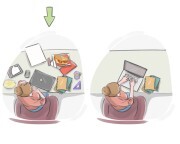
messy
messy
[Adjetivo]

lacking orderliness or cleanliness

desordenado, caótico

desordenado, caótico

Ex: She apologized for the messy state of the living room, where toys were scattered everywhere. 

Se disculpó por el estado desordenado de la sala, donde los juguetes estaban esparcidos por todas partes.

carefully
carefully
[Adverbio]

thoroughly and precisely, with close attention to detail or correctness

detenidamente, con cuidado

detenidamente, con cuidado

Ex: The report was carefully prepared and cited. 

El informe fue cuidadosamente preparado y citado.

peace
peace
[Sustantivo]

a period or state where there is no war or violence

paz

paz

Ex: The treaty brought a long-awaited peace to the region. 

El tratado trajo una paz largamente esperada a la región.

success
success
[Sustantivo]

the fact of reaching what one tried for or desired

éxito

éxito

Ex: Achieving success in one's career requires setting clear goals and consistently working towards them. 

Lograr el éxito en la carrera profesional requiere establecer metas claras y trabajar constantemente hacia ellas.

luck
luck
[Sustantivo]

success and good fortune that is brought by chance and not because of one's own efforts and actions

suerte, fortuna

suerte, fortuna

Ex: He felt that his luck had changed when he found a $100 bill on the sidewalk while walking to work. 

Sintió que su suerte había cambiado cuando encontró un billete de 100 dólares en la acera mientras caminaba al trabajo.

envelope
envelope
[Sustantivo]

a thin, paper cover in which we put and send a letter

sobre

sobre

Ex: She found an old envelope with photos in it. 

Ella encontró un viejo sobre con fotos dentro.

to contain
to contain
[Verbo]

to have or hold something within or include something as a part of a larger entity or space

contener
contener

Ex: The cupboard contains dishes, cups, and other kitchenware. 

El armario contiene platos, tazas y otros utensilios de cocina.

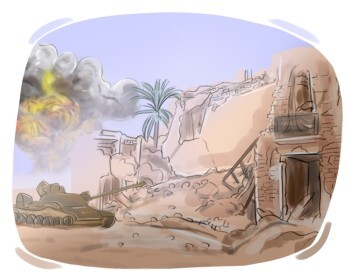
to destroy
to destroy
[Verbo]

to cause damage to something in a way that it no longer exists, works, etc.

destruir

destruir

Ex: Yesterday, the fire tragically destroyed the old library, consuming many valuable books. 

Ayer, el incendio destruyó trágicamente la antigua biblioteca, consumiendo muchos libros valiosos.

dummy
dummy
[Sustantivo]

a model of a human figure used for display or practice

maniquí

maniquí

Ex: The magician used a dummy in his trick to confuse the audience. 

El mago usó un maniquí en su truco para confundir al público.

sawdust
sawdust
[Sustantivo]

the tiny pieces of wood that are left over after you cut or shape a piece of wood with a saw or other tool

serrín, virutas de madera

serrín, virutas de madera

Ex: The factory collected sawdust for recycling. 

La fábrica recolectó el serrín para reciclar.
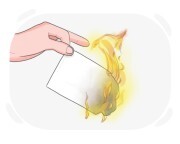
to burn
to burn
[Verbo]

to be on fire and be destroyed by it

arder, quemar

arder, quemar

Ex: The forest burned for days, leaving behind a trail of destruction. 

El bosque ardió durante días, dejando tras de sí un rastro de destrucción.

event
event
[Sustantivo]

anything that takes place, particularly something important

acontecimiento

acontecimiento

Ex: The company hosted a networking event to connect professionals in the industry. 

La empresa organizó un evento de networking para conectar a los profesionales de la industria.

to commemorate

to recall and show respect for an important person, event, etc. from the past with an action or in a ceremony

conmemorar

conmemorar

Ex: Families often visit cemeteries to commemorate loved ones on Memorial Day. 

Las familias a menudo visitan los cementerios para conmemorar a sus seres queridos en el Día de los Caídos.
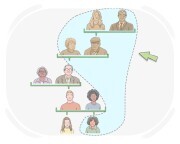
ancestor
ancestor
[Sustantivo]

a blood relative who lived a long time ago, usually before one's grandparents

antepasado

antepasado

Ex: The family tree traced their ancestors back to the 1700s in Europe. 

El árbol genealógico rastreó a sus antepasados hasta el siglo XVIII en Europa.

grave
grave
[Sustantivo]

a hole made in the ground for burying a dead body in

tumba

tumba

Ex: He felt a sense of peace while sitting near his grandmother's grave. 

Sintió una sensación de paz al sentarse cerca de la tumba de su abuela.

lantern
lantern
[Sustantivo]

a portable light consisting of a handle and a housing that contains a light source

linterna, farol

linterna, farol

Ex: The festival featured hundreds of glowing lanterns. 

El festival presentó cientos de linternas brillantes.

to float
to float
[Verbo]

to be in motion on a body of water or current of air at a slow pace

flotar

flotar

Ex: The small fishing boat continued to float peacefully on the calm lake. 

El pequeño barco de pesca siguió flotando pacíficamente en el lago tranquilo.

ceremony
ceremony
[Sustantivo]

a formal public or religious occasion where a set of traditional actions are performed

ceremonia

ceremonia

Ex: The ceremony to commemorate the national holiday was held in the town square. 

La ceremonia para conmemorar el día festivo nacional se llevó a cabo en la plaza del pueblo.

bright
bright
[Adjetivo]

emitting or reflecting a significant amount of light

brillante
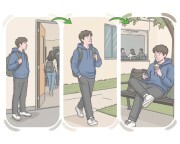
brillante

Ex: The flashlight cast a bright beam of light into the dark forest. 

La linterna proyectó un haz de luz brillante en el bosque oscuro.

to skip
to skip
[Verbo]

to not do an activity on purpose, particularly one that one is supposed to do or usually does

faltar a

faltar a

Ex: Despite being assigned homework, he opted to skip it and relax over the weekend. 

A pesar de que le asignaron tarea, optó por saltársela y relajarse durante el fin de semana.

groom
groom
[Sustantivo]

a man who is getting married

novio

novio

Ex: As the groom, he felt a mix of nervousness and excitement on his wedding day. 

Como novio, sintió una mezcla de nerviosismo y emoción en el día de su boda.

bride
bride
[Sustantivo]

a woman who is about to be married or has recently been married

novia

novia

Ex: Family and friends gathered to shower the bride with flowers and well wishes as she embarked on her journey into married life. 

La familia y los amigos se reunieron para llenar a la novia de flores y buenos deseos mientras ella comenzaba su viaje hacia la vida matrimonial.

to steal
to steal
[Verbo]

to take something from someone or somewhere without permission or paying for it

robar
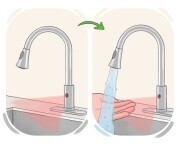
robar

Ex: The thief has stolen several cars in the past month. 

El ladrón ha robado varios coches en el último mes.

when
when
[Conjunción]

used to indicate that two things happen at the same time or during something else

cuando, en que

cuando, en que

Ex: I'll call you when I finish my work. 

Te llamaré cuando termine mi trabajo.

after
after
[Adverbio]

at a later time

después de

después de

Ex: He promised to call, but we never heard from him after. 

Prometió llamar, pero nunca supimos de él después.
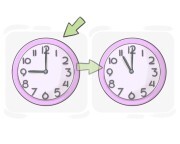
before
before
[Adverbio]

at an earlier point in time

antes

antes

Ex: We've met before, haven't we? 

Nos hemos conocido antes, ¿verdad?

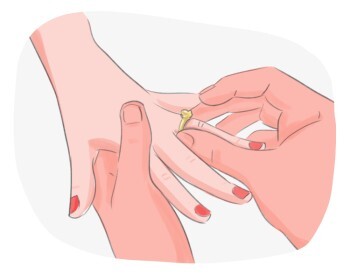
to engage
to engage
[Verbo]

to formally agree to marry someone, typically by accepting a marriage proposal

comprometerse, prometerse

comprometerse, prometerse

Ex: In some cultures, couples engage in a formal ceremony before marrying. 

En algunas culturas, las parejas se comprometen en una ceremonia formal antes de casarse.

to marry
to marry
[Verbo]

to become someone's husband or wife

casarse

casarse

Ex: She's so happy to marry the love of her life. 

Ella está tan feliz de casarse con el amor de su vida.

striking
striking
[Sustantivo]

the act of hitting or coming into contact with something forcefully or suddenly

golpe, impacto

golpe, impacto

Ex: The sudden striking of the door startled everyone in the room. 

El golpe repentino de la puerta sobresaltó a todos en la habitación.

to wish
to wish
[Verbo]

to desire something to occur or to be true even though it is improbable or not possible

desear

desear

Ex: I wish I could fly like a bird and see the world from above. 

Deseo poder volar como un pájaro y ver el mundo desde arriba.

LanGeek
Descargar la aplicación LanGeek