
Verbos de Movimiento - Verbos para el cambio de velocidad de movimiento
Aquí aprenderás algunos verbos en inglés que se refieren a cambios en la velocidad de los movimientos, como "frenar", "acelerar" y "aflojar".
Revisión
Tarjetas de memoria
formas
Ortografía
Cuestionario

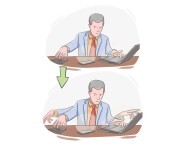
to become faster

acelerarse, ir más rápido
En la segunda mitad del partido, el ritmo comenzó a acelerarse mientras ambos equipos buscaban más goles.
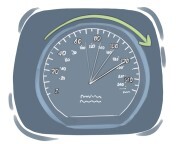
to make a vehicle, machine or object move more quickly
acelerar
to increase the speed of an engine
revolucionar el motor, acelerar el motor
Ella aceleró el motor del coche para mostrar su potencia.
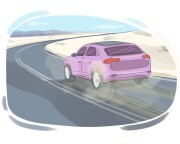
to slow or stop a vehicle, or cause it to slow or stop, by using a brake
frenar
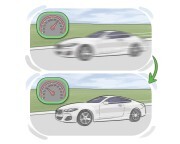
to slow down or reduce the speed of something
desacelerar
El conductor redujo hábilmente la velocidad del coche al acercarse al semáforo, evitando una parada repentina.
to reduce in speed
aflojar, disminuir
La cinta transportadora comenzó a aflojarse, causando una pausa temporal en la producción.
to make something go at a slower speed or pace
reducir la velocidad, frenar
La falla técnica ralentizó temporalmente la velocidad de carga del sitio web.
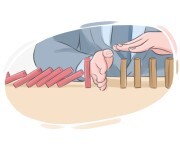
to cause a person, vehicle, or other moving thing to stop
detener, parar
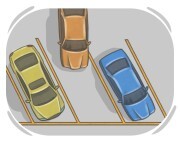
to move a car, bus, etc. into an empty place and leave it there for a short time
estacionar, aparcar, parquear
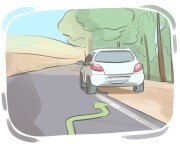
(of a vehicle) to come to a stop
detenerse, parar el vehículo
Al ver el accidente, varios coches se detuvieron para ofrecer ayuda.
to direct a vehicle to move to the side of the road or to another location where it can stop
arrimarse, detenerse al lado
El taxi se detuvo frente al hotel para recoger pasajeros.
to signal or direct a driver to move their vehicle to the side of the road
detener, hacer parar
El oficial de policía lo detuvo porque su matrícula estaba oscurecida por la suciedad.
to stop a vehicle, often in a particular location
detener, parar
El agente de tráfico señaló detener los coches para comprobar los documentos válidos.
