pattern

Verbos Relacionados con Temas - Verbos relacionados con la agricultura y la ganadería

Aquí aprenderás algunos verbos en inglés relacionados con la agricultura y la ganadería como "plantar", "compostar" y "cosechar".

Revisión

Tarjetas de memoria

formas

Ortografía

Cuestionario

Empezar a aprender
Categorized English Topic-related Verbs
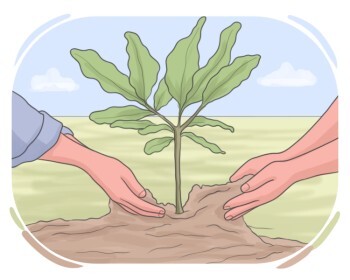
to plant
to plant
[Verbo]

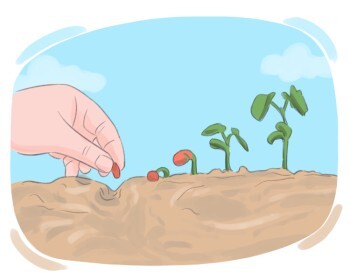
to put a seed, plant, etc. in the ground to grow

planta
planta

Ex: The children were excited to plant pumpkin seeds and watch them grow. 

Los niños estaban emocionados de plantar semillas de calabaza y verlas crecer.

to sow
to sow
[Verbo]

to plant seeds by scattering them on the ground

sembrar

sembrar

Ex: The farmer sows wheat seeds in the field to cultivate a crop for harvest. 

El agricultor siembra semillas de trigo en el campo para cultivar una cosecha.
to seed
to seed
[Verbo]

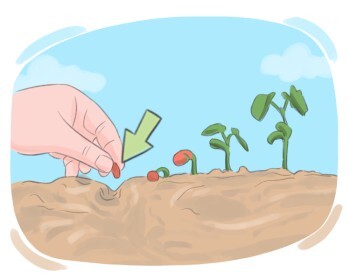
to spread small plant parts over soil to start their growth

sembrar, esparcir semillas
sembrar, esparcir semillas

Ex: The farmer seeds the field with soybean seeds to cultivate a crop for harvest. 

El agricultor siembra el campo con semillas de soja para cultivar una cosecha.

to plow
to plow
[Verbo]

to use a large farming equipment to dig the ground and make it ready for farming

arar

arar

Ex: He plows the garden plot with a plow attachment on his tractor to create furrows for planting. 

Él arado la parcela del jardín con un accesorio de arado en su tractor para crear surcos para plantar.

to till
to till
[Verbo]

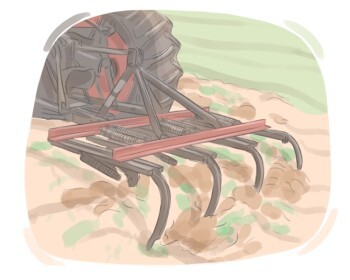
to prepare the soil for planting by digging, stirring, or turning it over using a tool such as a plow or a tiller

labrar, arar
labrar, arar

Ex: The farmer tills the land with a plow to prepare it for planting crops. 

El agricultor labra la tierra con un arado para prepararla para la siembra de cultivos.

to compost
to compost
[Verbo]

to make decayed leaves, plants, or other organic waste into a mixture that can improve the soil's quality to help plants grow more quickly

convertir en abono

convertir en abono

Ex: The farmer composts manure and crop residues to enrich the soil and increase yields. 

El agricultor composta el estiércol y los residuos de cultivos para enriquecer el suelo y aumentar los rendimientos.

to mulch
to mulch
[Verbo]

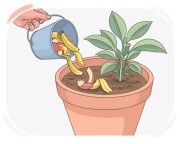
to cover the soil around plants with a layer of material like wood chips or leaves to retain moisture, suppress weeds, and regulate soil temperature

cubrir con mantillo

cubrir con mantillo

Ex: Mulching flower pots with bark chips helps retain moisture and regulate soil temperature. 

Acolchar las macetas con virutas de corteza ayuda a retener la humedad y regular la temperatura del suelo.
to sprout
to sprout
[Verbo]

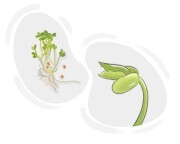
(of a seed or plant) to begin growing

brotar

brotar

Ex: Tiny lettuce seeds sprout from the soil, signaling the start of the growing season. 

Pequeñas semillas de lechuga brotan del suelo, señalando el inicio de la temporada de crecimiento.

to cultivate

to prepare land for raising crops or growing plants

cultivar

cultivar

Ex: They used a plow to cultivate the ground before planting the seeds. 

Usaron un arado para cultivar la tierra antes de plantar las semillas.
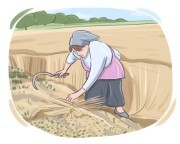
to harvest
to harvest
[Verbo]

to cut and collect a crop

cosechar, recolectar

cosechar, recolectar

Ex: The gardeners harvest tomatoes from the vines when they are fully red and ripe. 

Los jardineros cosechan los tomates de las vides cuando están completamente rojos y maduros.

to weed
to weed
[Verbo]

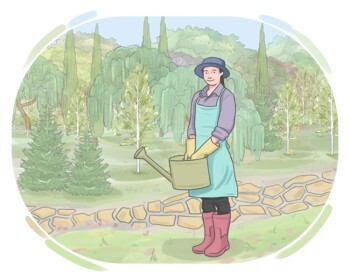
to rid a garden or other area of land of unwanted plants

escardar
escardar

Ex: The gardener weeds the lawn regularly to maintain its lush appearance. 

El jardinero elimina las malas hierbas del césped regularmente para mantener su apariencia frondosa.

to garden
to garden
[Verbo]

to cultivate and nurture plants in an outdoor space, either as a job or hobby

trabajar en el jardín

trabajar en el jardín

Ex: The community gardens in shared plots, each member tending to their own section. 

Los jardines comunitarios en parcelas compartidas, cada miembro cuidando de su propia sección.

to reap
to reap
[Verbo]

to cut or gather a crop

cosechar

cosechar

Ex: The workers reap rice from the flooded paddies using traditional methods. 

Los trabajadores cosechan arroz de los arrozales inundados utilizando métodos tradicionales.

to prune
to prune
[Verbo]

to cut off top part or some branches of trees, bushes, or other plants to help them grow faster

podar

podar

Ex: The gardener prunes the shrubs along the walkway to maintain their size and appearance. 

El jardinero poda los arbustos a lo largo del camino para mantener su tamaño y apariencia.
to yield
to yield
[Verbo]

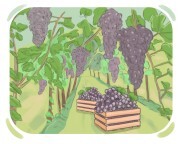
(of a farm or an industry) to grow or produce a crop or product

producir

producir

Ex: The fertile soil in this region yields abundant crops of wheat and corn. 

El suelo fértil de esta región produce abundantes cosechas de trigo y maíz.

to root
to root
[Verbo]

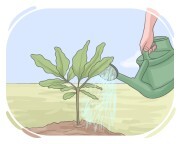
to plant by burying the base of a plant in soil

enraizar, plantar
enraizar, plantar

Ex: The farmer roots the young trees in the orchard to ensure proper growth. 

El agricultor arraiga los árboles jóvenes en el huerto para asegurar un crecimiento adecuado.

to water
to water
[Verbo]

to pour water on the ground to make plants grow in it

regar

regar

Ex: She set up an automatic sprinkler system to water her flowers. 

Instaló un sistema de riego automático para regar sus flores.

to irrigate

to supply crops, land, etc. with water, typically by artificial means

irrigar

irrigar

Ex: The gardeners irrigate the flower beds with drip irrigation to conserve water. 

Los jardineros riegan los parterres con riego por goteo para conservar agua.
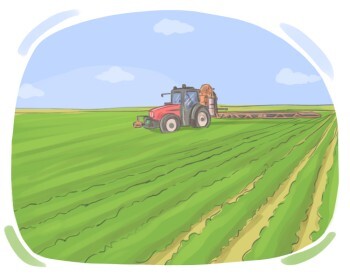
to farm
to farm
[Verbo]

to grow crops or raise animals using agricultural techniques to improve production

cultivar, criar
cultivar, criar

Ex: He decided to farm grapes to start his own winery. 

Decidió cultivar uvas para comenzar su propia bodega.

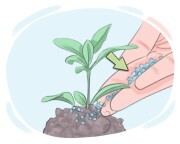
to fertilize

to increase productivity of the soil by spreading suitable substances on it

fertilizar

fertilizar

Ex: The orchardists fertilize their fruit trees with organic fertilizers to improve fruit quality. 

Los fruticultores fertilizan sus árboles frutales con fertilizantes orgánicos para mejorar la calidad de la fruta.
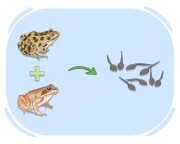
to mate
to mate
[Verbo]

(of animals) to have sex for breeding or reproduction

aparearse

aparearse

Ex: Bees mate mid-flight, with the queen mating with multiple drones. 

Las abejas se aparean en pleno vuelo, con la reina apareándose con múltiples zánganos.

to breed
to breed
[Verbo]

(of an animal) to have sex and give birth to young

reproducirse
reproducirse

Ex: Wolves in the wild have a complex social structure that influences when and with whom they breed. 

Los lobos en la naturaleza tienen una estructura social compleja que influye en cuándo y con quién se reproducen.

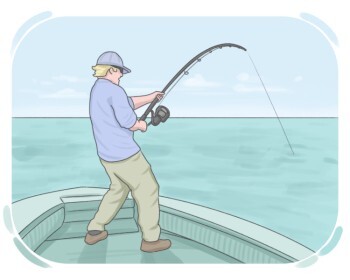
to fish
to fish
[Verbo]

to catch or attempt to catch fish with special equipment such as a fishing line and a hook or net

pescar
pescar

Ex: My dad taught me how to fish when I was a child 

Mi padre me enseñó a pescar cuando era niño.

to hatch
to hatch
[Verbo]

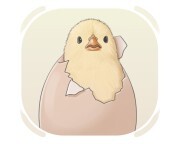
(of birds, fish, etc.) to come out of an egg

salir del cascarón

salir del cascarón

Ex: In the classroom, students watched in excitement as the ducklings hatched from their eggs. 

En el aula, los estudiantes observaban con emoción cómo los patitos salían del huevo.
to milk
to milk
[Verbo]

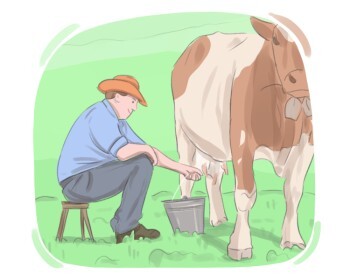
to collect milk from animals such as cows, goats, etc.

ordeñar

ordeñar

Ex: In rural areas, families often milk their own cows for fresh dairy products. 

En las zonas rurales, las familias a menudo ordeñan sus propias vacas para obtener productos lácteos frescos.

to spawn
to spawn
[Verbo]

(of a fish, frog, etc.) to lay or release eggs

desovar

desovar

Ex: In the aquarium, the tropical fish are induced to spawn by adjusting water temperature and lighting. 

En el acuario, los peces tropicales son inducidos a desovar ajustando la temperatura del agua y la iluminación.
to domesticate

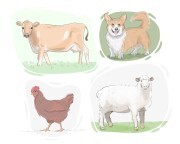
to change wild animals or plants for human use or cultivation

domesticar

domesticar

Ex: Cats were domesticated in ancient Egypt to control pests in grain stores. 

Los gatos fueron domesticados en el antiguo Egipto para controlar plagas en los almacenes de grano.

to tame
to tame
[Verbo]

to make a wild animal or bird fit for living with people

domesticar

domesticar

Ex: Jane managed to tame the stray kitten, which now happily lives indoors. 

Jane logró domesticar al gatito callejero, que ahora vive feliz en el interior.

to bud
to bud
[Verbo]

(of a plant) to develop small, immature growths that will eventually become leaves, flowers, or shoots

brotar, germinar

brotar, germinar

Ex: Gardeners eagerly awaited the orchid plant to bud, anticipating its exotic flowers. 

Los jardineros esperaban ansiosamente a que la orquídea brotara, anticipando sus flores exóticas.

to blossom
to blossom
[Verbo]

(of a plant) to bear flowers, especially flowers that are not fully open

florecer

florecer

Ex: The apple tree in our backyard finally blossomed, promising a bountiful harvest. 

El manzano en nuestro patio trasero finalmente floreció, prometiendo una cosecha abundante.

to flower
to flower
[Verbo]

(of a plant) to produce or display blossoms or blooms

florecer, florar

florecer, florar

Ex: The sunflowers flowered late this year due to the extended rainy season. 

Los girasoles florecieron tarde este año debido a la temporada de lluvias prolongada.

to bloom
to bloom
[Verbo]

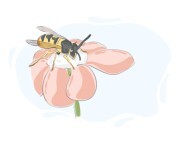
(of a plant) to produce flowers and display them in full color

florecer
florecer

Ex: The daffodils bloomed early this year, signaling the arrival of spring. 

Los narcisos florecieron temprano este año, señalando la llegada de la primavera.

to pollinate

to deposit pollen on a plant or flower so that it can produce new seeds or fruit

polinizar

polinizar

Ex: Farmers often rely on honeybees to pollinate their crops, ensuring a successful harvest. 

Los agricultores a menudo dependen de las abejas para polinizar sus cultivos, asegurando una cosecha exitosa.

LanGeek
Descargar la aplicación LanGeek