
Decisión, Sugerencia y Obligación - Amor y Odio 2
Aquí aprenderás algunas palabras en inglés relacionadas con amor y odio, como "picky", "misogynist" y "keen".
Revisión
Tarjetas de memoria
formas
Ortografía
Cuestionario


having a tendency to do something

interesado
El equipo está inclinado a celebrar cada pequeña victoria en el camino.

having a strong enthusiasm, desire, or excitement for something or someone
entusiasta
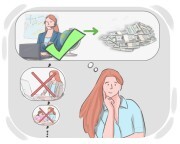
to favor something, especially an opinion
inclinarse por
Siempre me he inclinado por una carrera en la ciencia.

to feel that someone or something is good, enjoyable, or interesting
gustar
a set of things one enjoys or has a tendency for
gustos, preferencias

to like something or enjoy doing it a lot
adorar, amar
very fond of someone or something
loco
someone who despises women or assumes men are much better
misógino
Jane dejó de salir con él cuando se dio cuenta de sus tendencias misóginas.
having a particular liking or preference for someone or something
proclive
a person, activity, or thing that is loved or pursued with intense enthusiasm
pasión
a strong tendency to do something or a fondness for something
inclinación, afición
Su predilección por las películas clásicas es obvia.
something that annoys or bothers someone on a personal levelsomething that annoys or bothers someone on a personal level
pet peeves
Ella no soporta llegar tarde—es su manía.

(of a person) extremely careful with their choices and hard to please
exigente, selectivo
Es tan exigente cuando se trata de elegir una película para ver que lleva una eternidad ponerse de acuerdo en una.
to do what one wants or desires, without worrying about the opinions or desires of others
hacer lo que uno quiera, complacer a uno mismo
deeply fascinated by someone, particularly in a foolish or unreasonable way
loco, rayado, zafado

to want or choose one person or thing instead of another because of liking them more
preferir
more desirable or favored compared to other options
preferible
En su opinión, contratar localmente era preferible a externalizar el trabajo en el extranjero.
in a way that shows a liking or a priority for something over others
preferiblemente
En las solicitudes de empleo, se prefiere considerar a los candidatos con experiencia relevante para el puesto.

a tendency or predisposition to favor something over other options
preferencia
to cause a person to dislike someone or something
desalentar
Ella fue desalentada por sus constantes interrupciones durante la conversación.
an extreme aversion or hostility that one has to someone or something
repugnancia
El trato injusto le causó repugnancia.

the act of opposing or refusing to accept something one disapproves of or disagrees with
resistencia

to cause strong feelings, often unpleasant ones
provocar emociones intensas, agitar
La película provocativa despertó emociones y generó discusiones sobre su impacto social.
to grow to like someone or something, often without any specific reason
sentirse atraído por

to start to dislike someone or something
tomar antipatía a algn
Ella comenzó a oponerse a la nueva política después de experimentar sus efectos negativos de primera mano.
![to [take] a shine to {sb/sth}](https://cdn.langeek.co/photo/39679/thumb/350?type=jpeg "to [take] a shine to {sb/sth}")
to start having feelings of attachment or fascination toward someone or something
encariñarse con, tomarle cariño a
El profesor le tomó cariño por su curiosidad.

to start to like someone or something
encariñarse con, aficionarse a
Ella tomó cariño a su nuevo vecino después de algunas conversaciones amistosas.

to start to like something
entusiasmarse con
El público gradualmente se aficionó al estilo poco convencional de la actuación.
used to indicate a habitual tendency, preference, or desire
[vebro en condicional simple]
used to express a preference for one option over another
preferir
used to indicate one's preference to do, have, or achieve something (than something else)
preferir
